Blog
Sarson Ka Tel in Kashi Ki Rasoi: The Oil Behind Banarasi Flavour

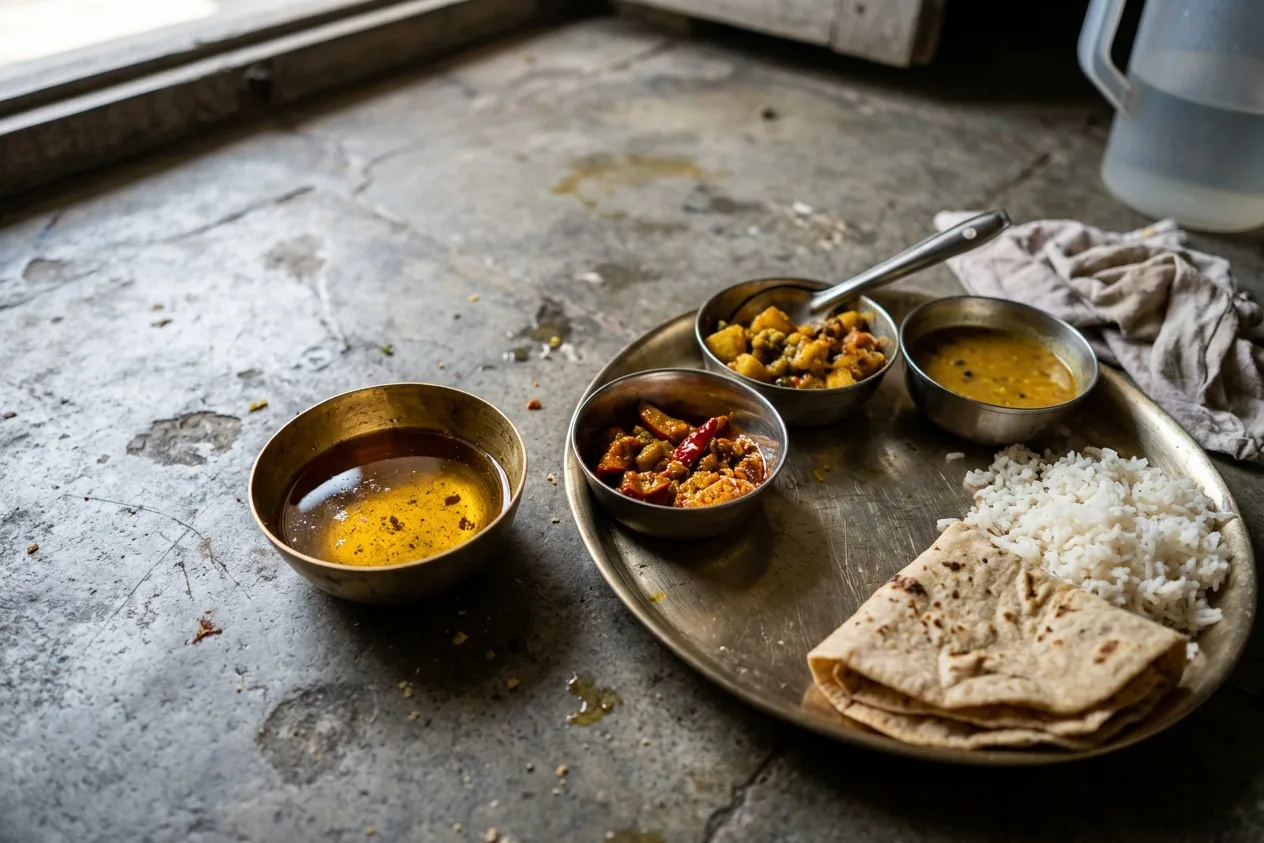
Deccan Herald’s piece on mustard oil describes a detail from southern Bihar: for the litti, the karua tel is stirred into the spiced sattu stuffing, and the litti is then dipped in more of it. The oil is part of the dish and not only the medium it is cooked in. Banaras sits in the same belt.
The short answer
In short
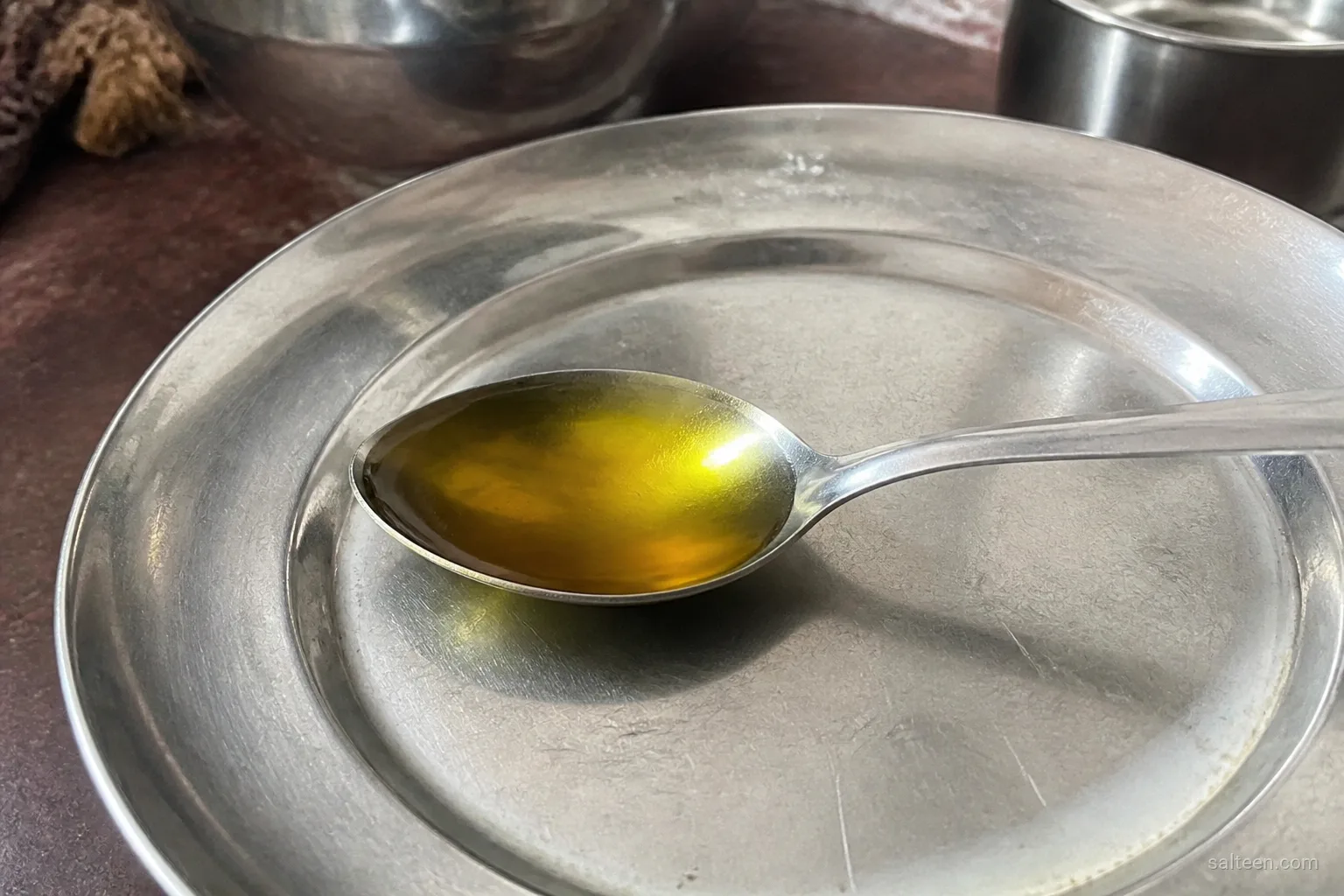
Mustard oil is used across eastern and northern India for its sharp, pungent flavour, which comes from allyl isothiocyanate. In Banarasi kitchens it goes into sabzi tempering, litti and chokha, and pickles, and it adds a taste that other oils do not. The smell is strong, so it is usually heated first.
What gives it the flavour
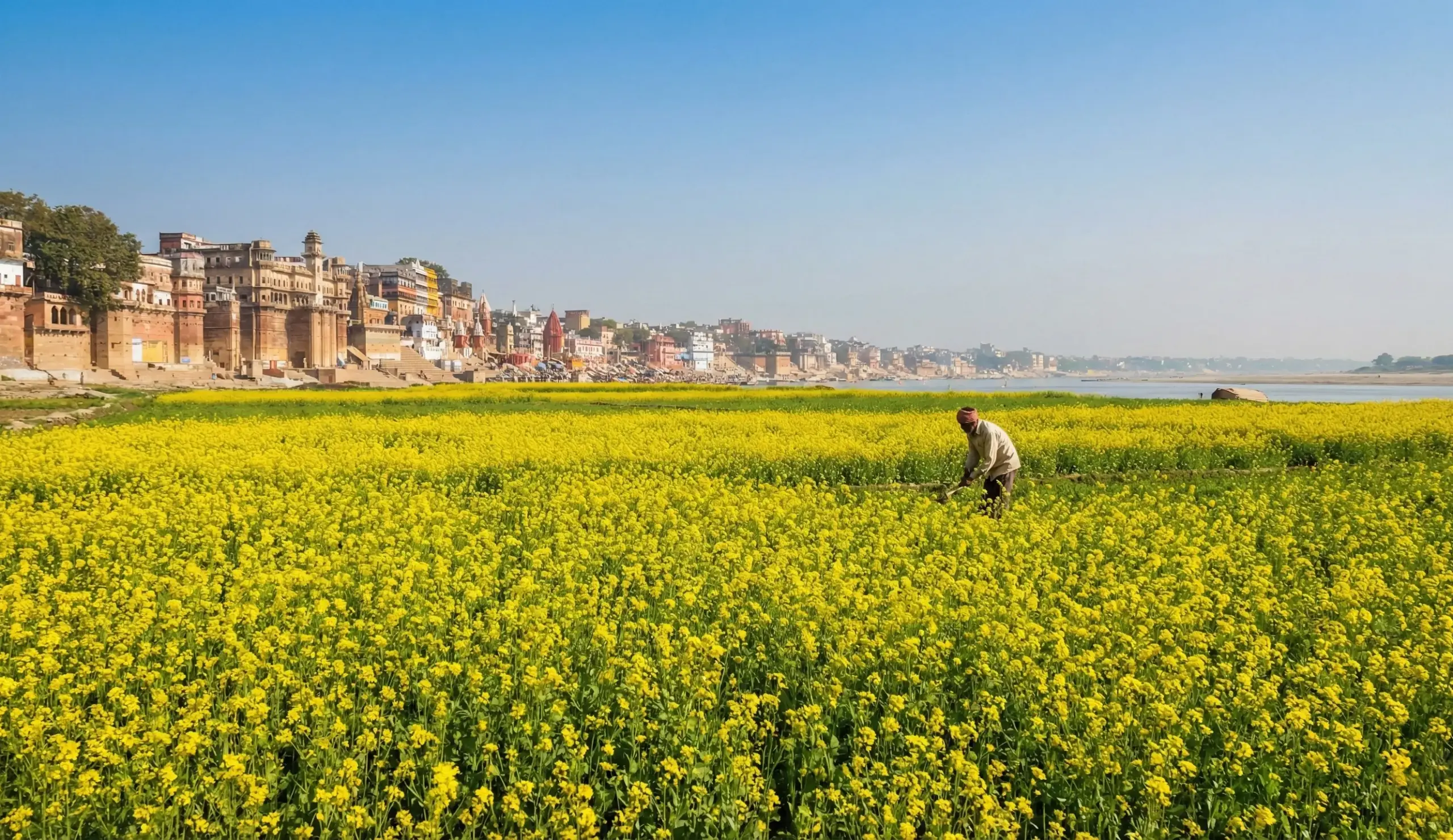
Wikipedia says the oil has a distinctive pungent taste and that its pungent flavour is due to allyl isothiocyanate, the same family of compound found in horseradish and wasabi. Tarla Dalal’s glossary says the same, and adds that the oil has been a staple in Bengal, Bihar, Orissa, Assam, Punjab and Uttar Pradesh for centuries.
Where it appears in eastern UP cooking
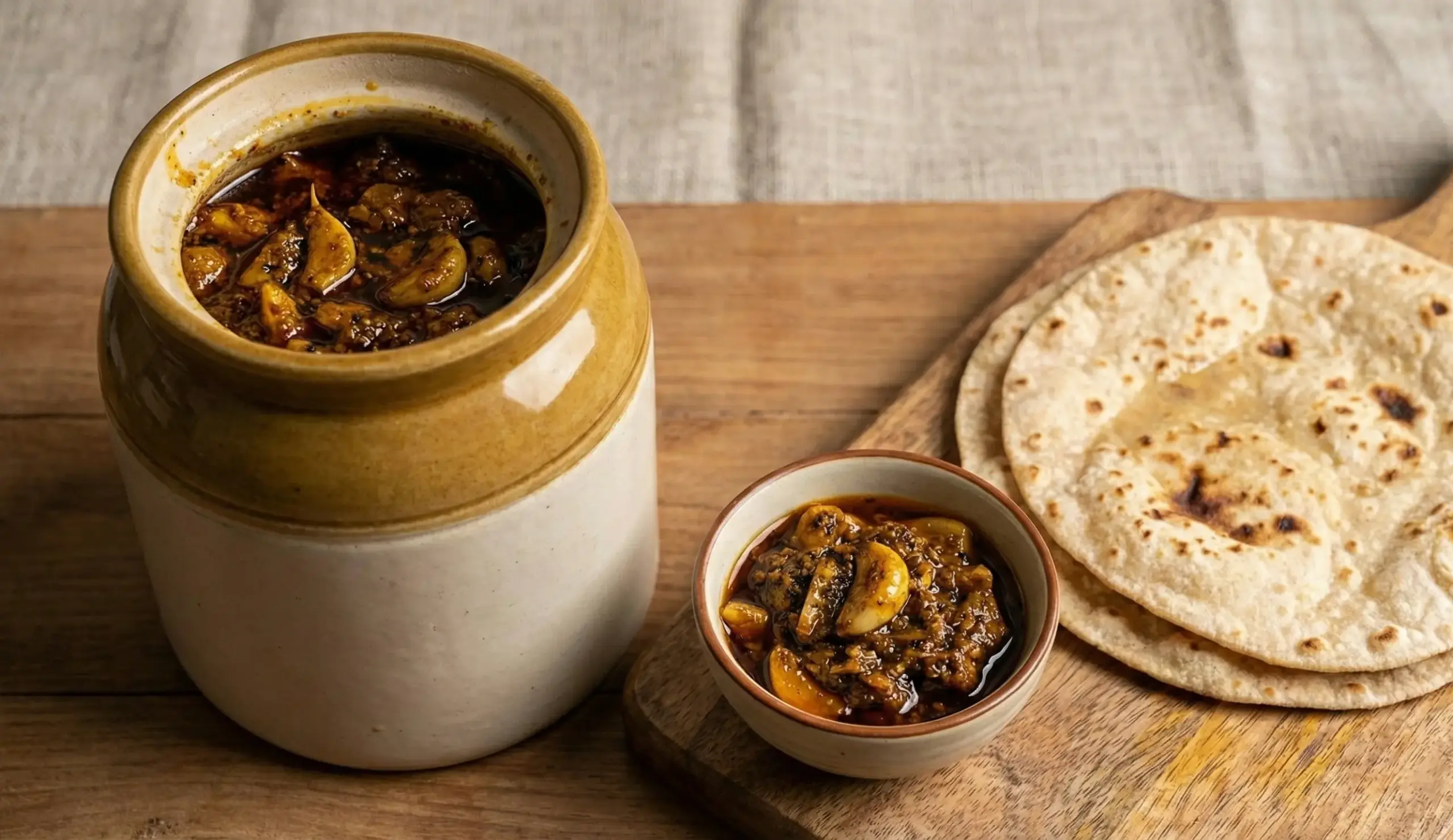
- Litti and chokha. See litti chokha and eastern UP. Deccan Herald describes the oil stirred into the stuffing and used to finish the litti. A Bihar food writer in a Bangladesh paper says Biharis cannot make chokha without it.
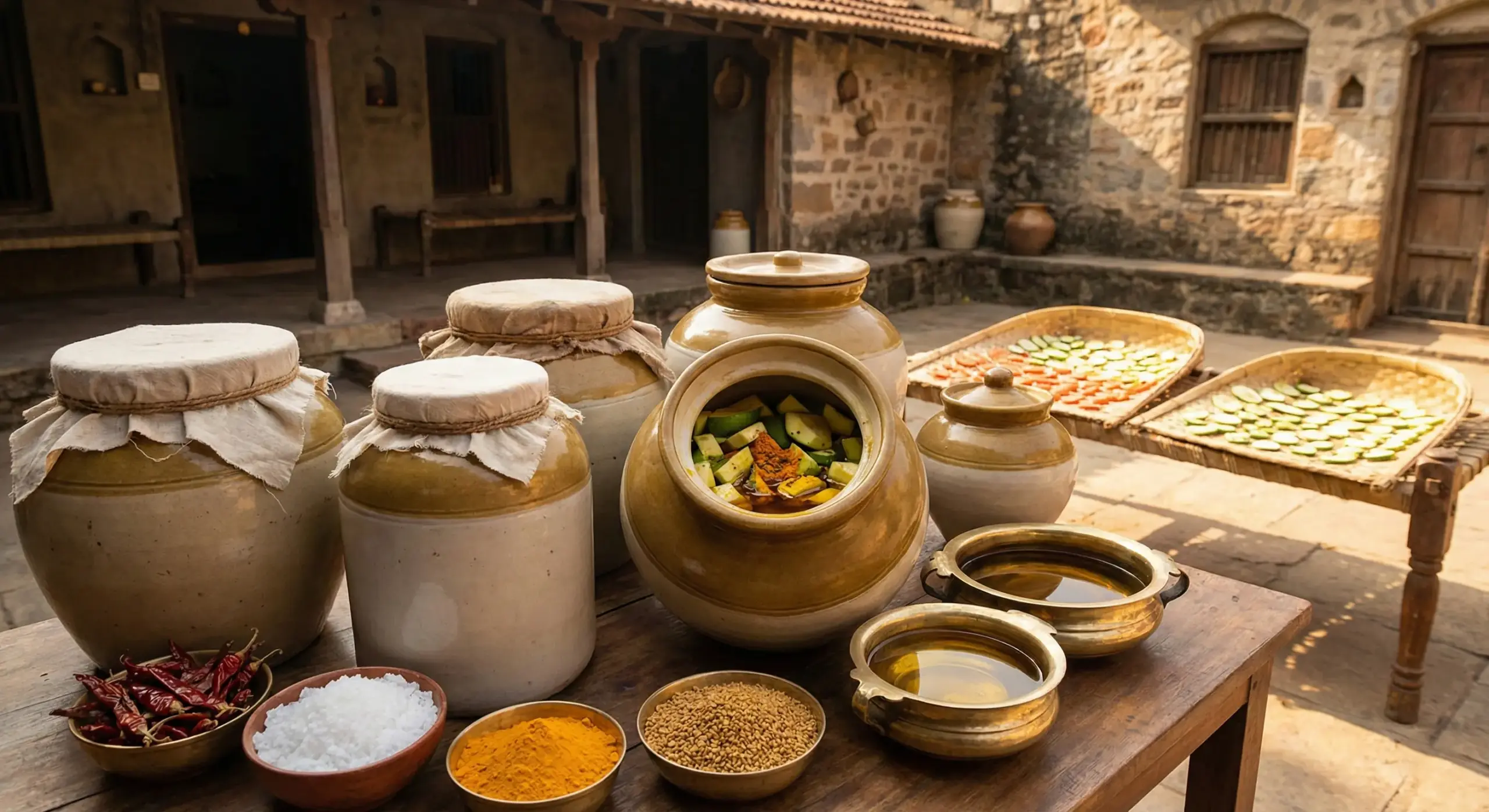
- Sabzi tempering. Hot mustard oil, with methi and cumin, starts many simple vegetable dishes. Spice Up The Curry’s kaddu ki sabzi begins with mustard oil and fenugreek seeds, and our kaddu sabzi post follows it.
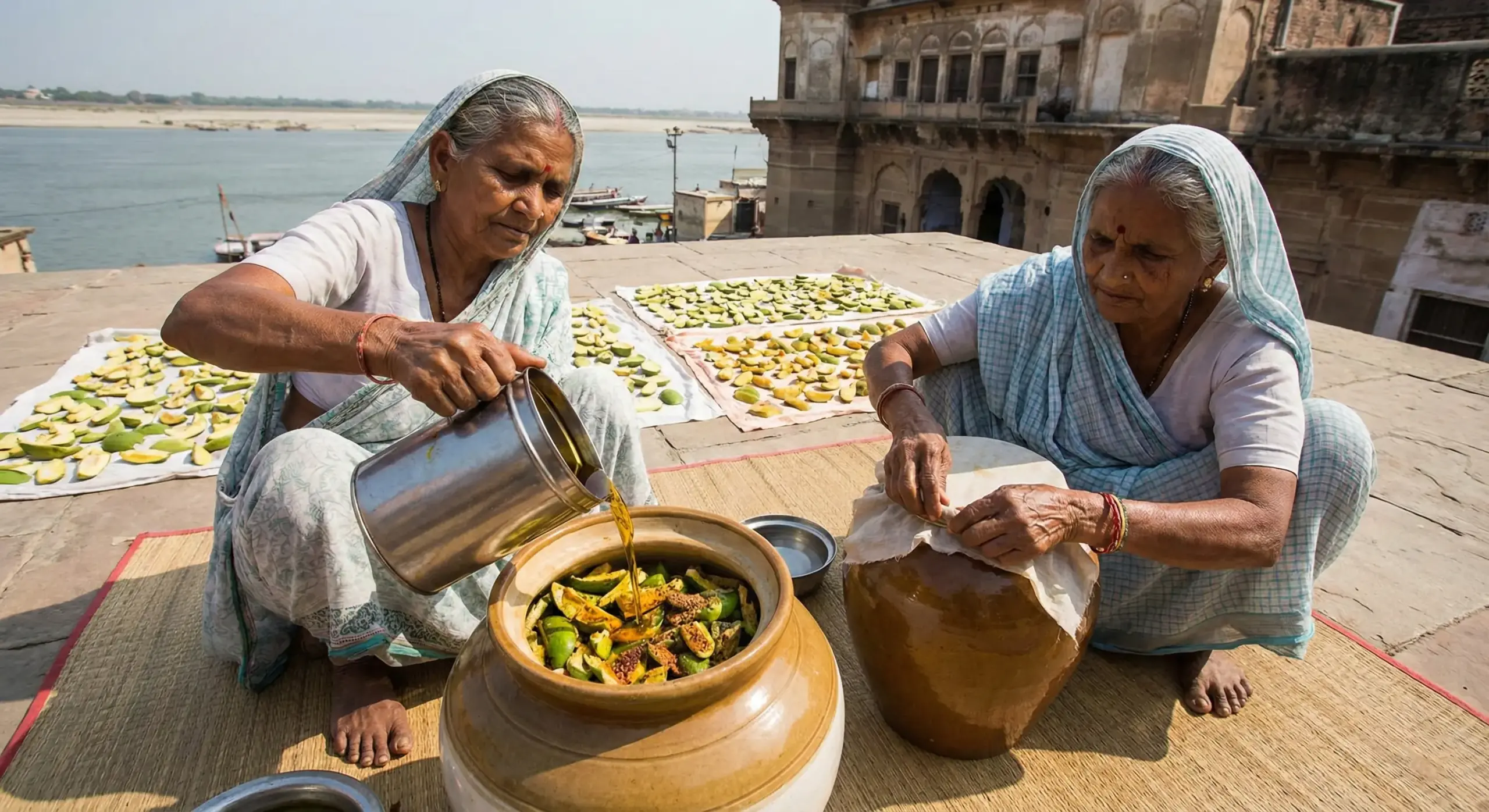
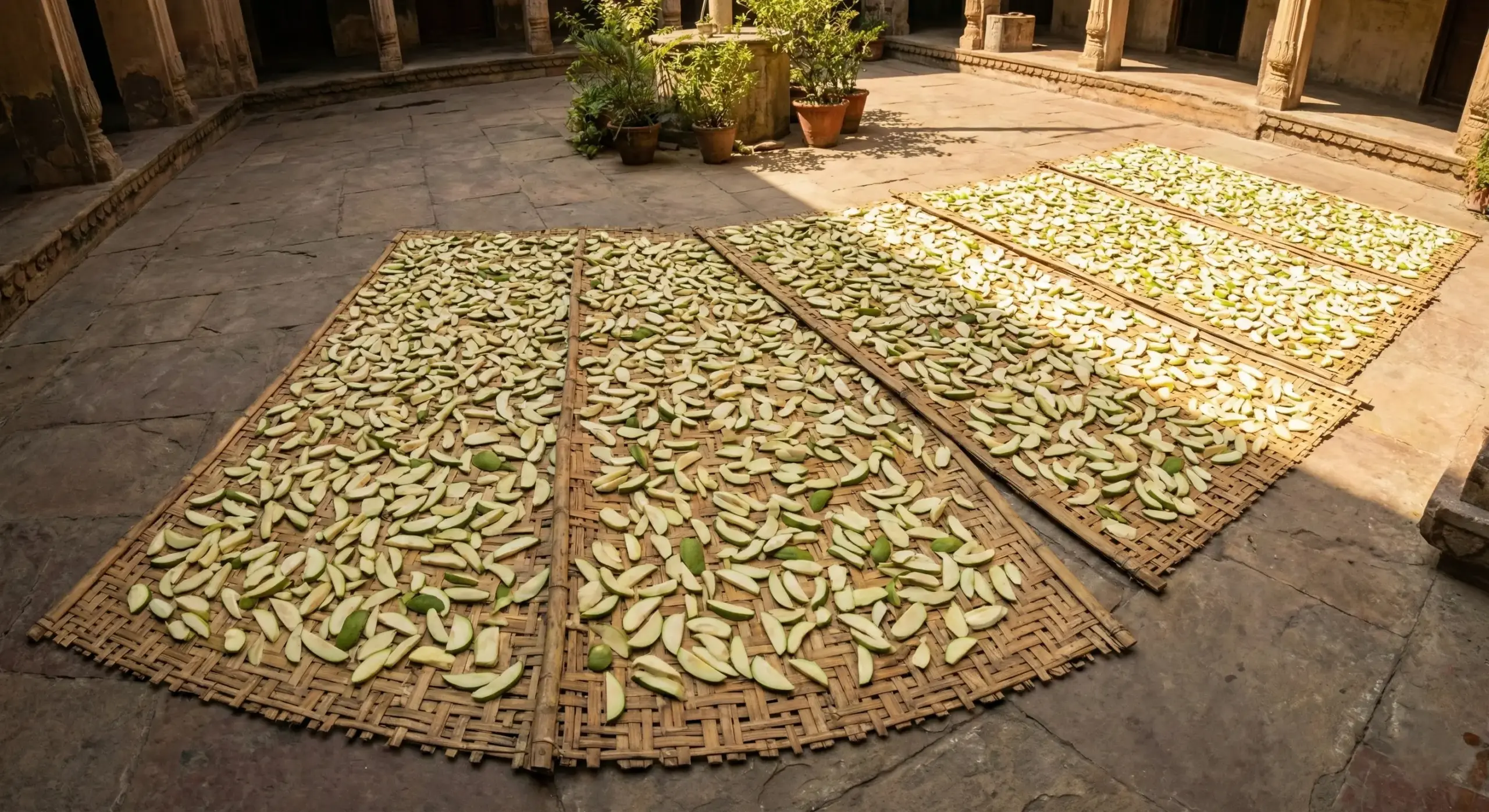
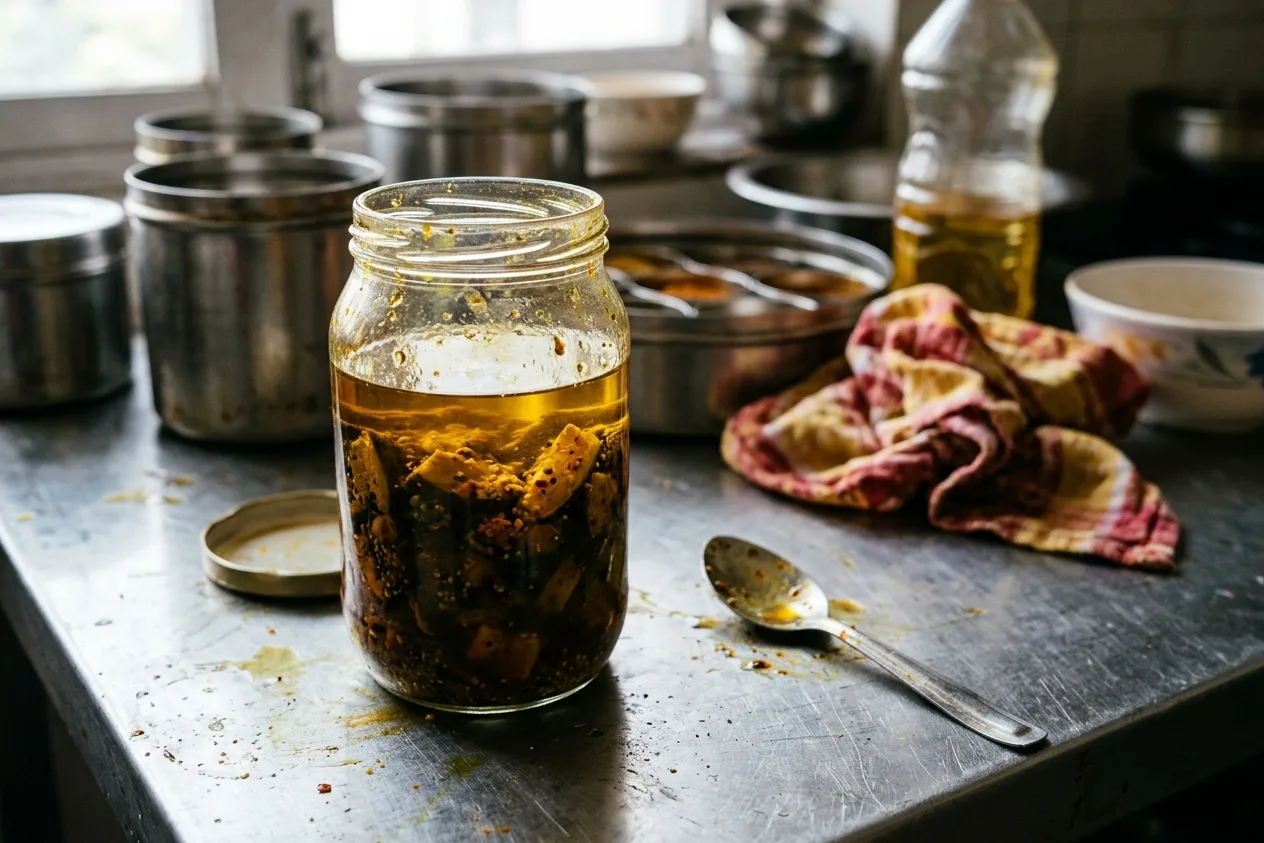
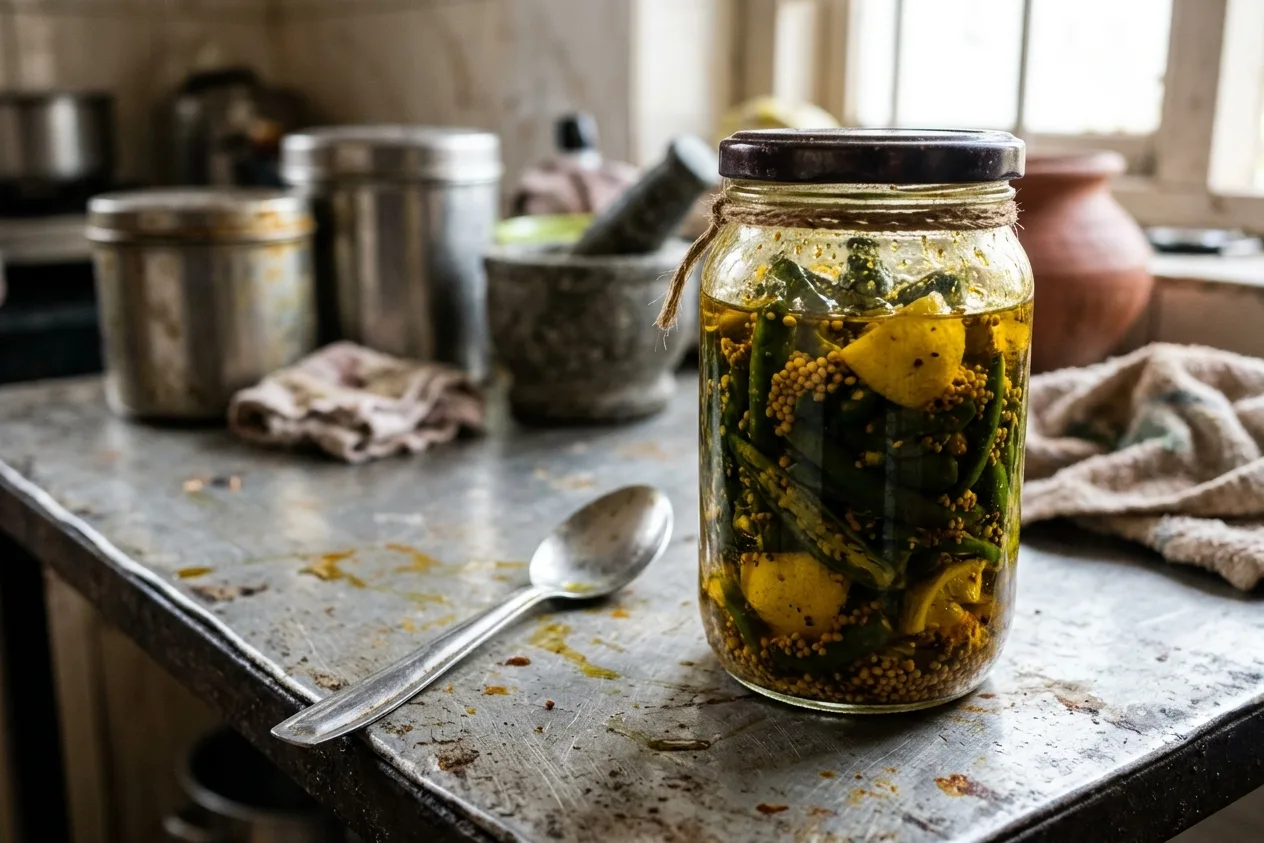
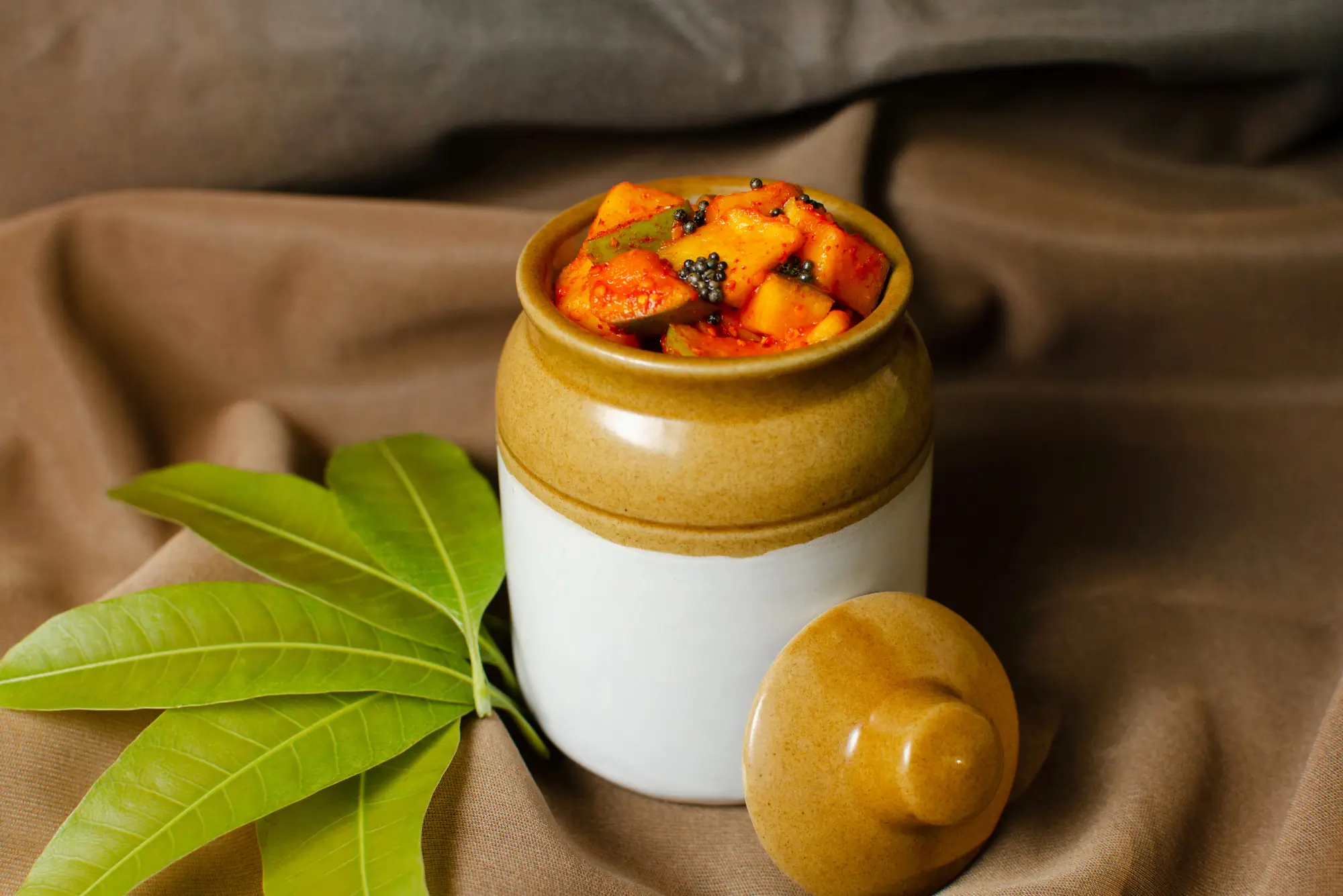
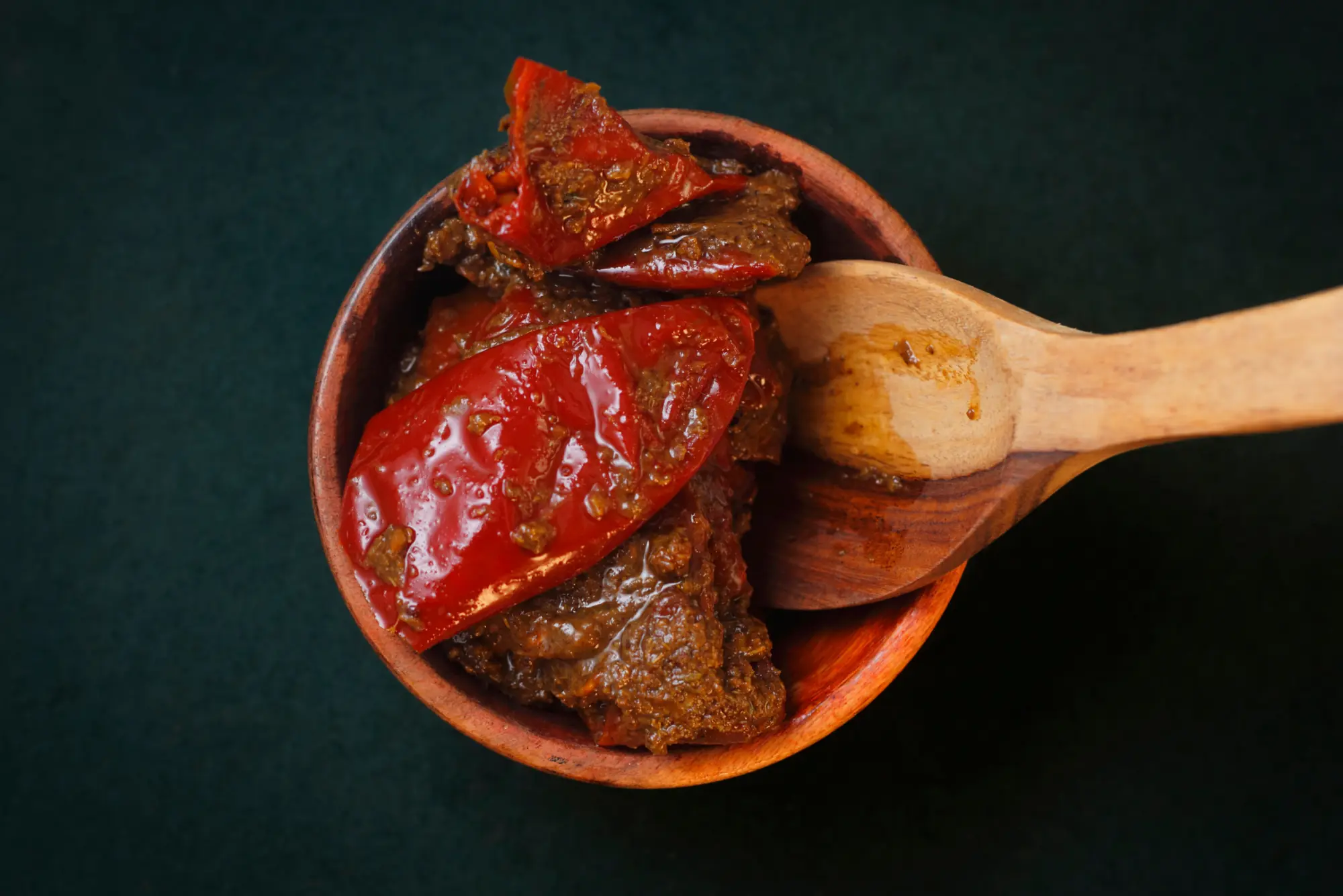
- Pickles. Mustard oil is the base of the pickle styles in Banarasi vs Punjabi vs Rajasthani achar.
- Raw as a finish. Some dishes get a drizzle of raw oil. Deccan Herald describes this for bhorta, a mash.
Why heat it
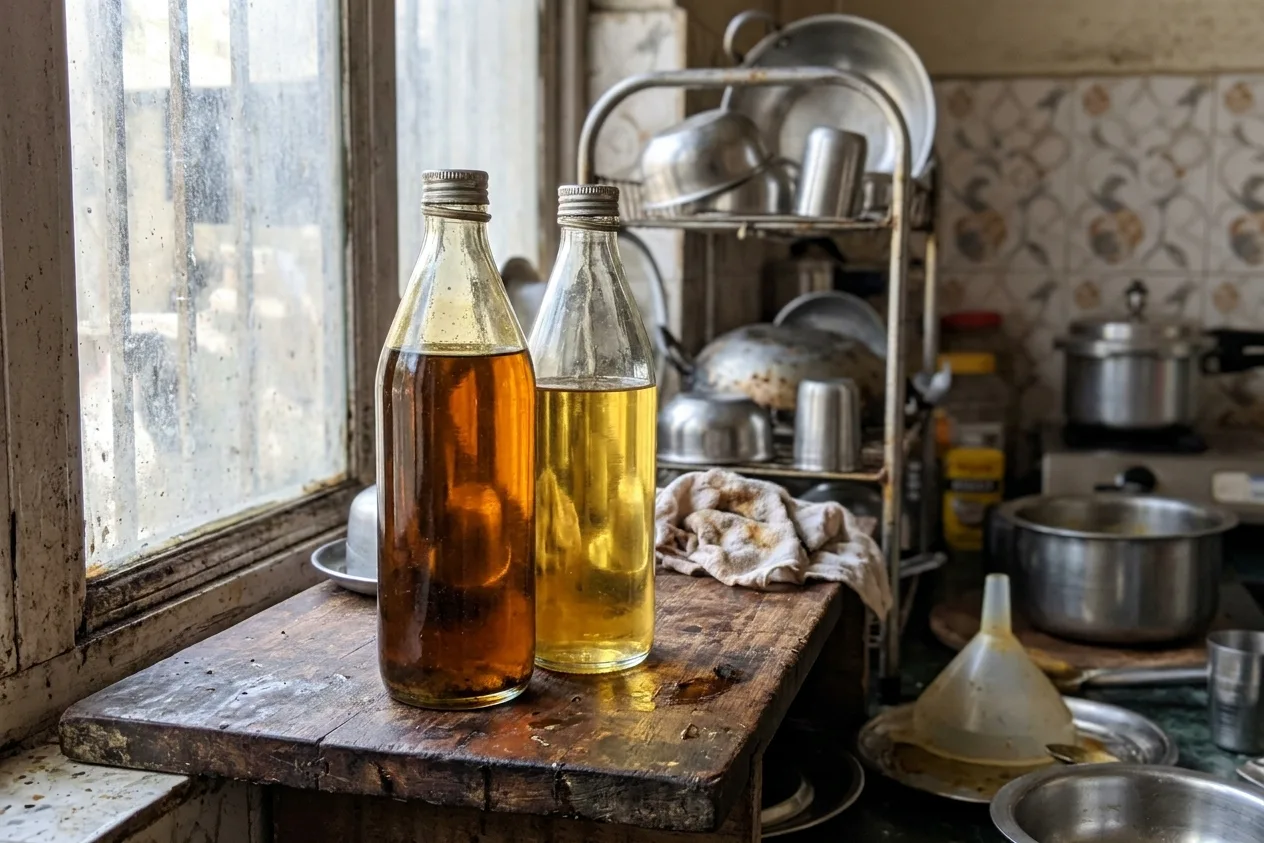
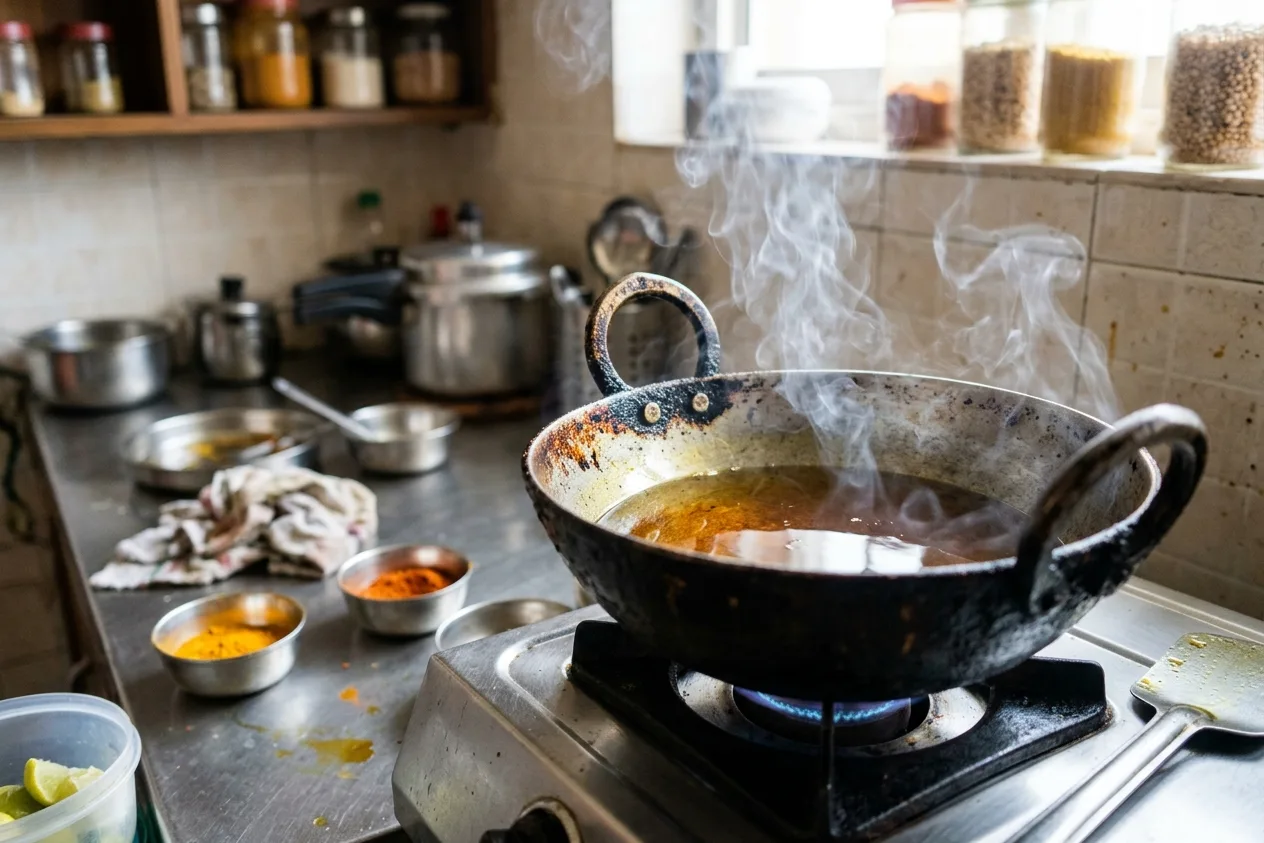
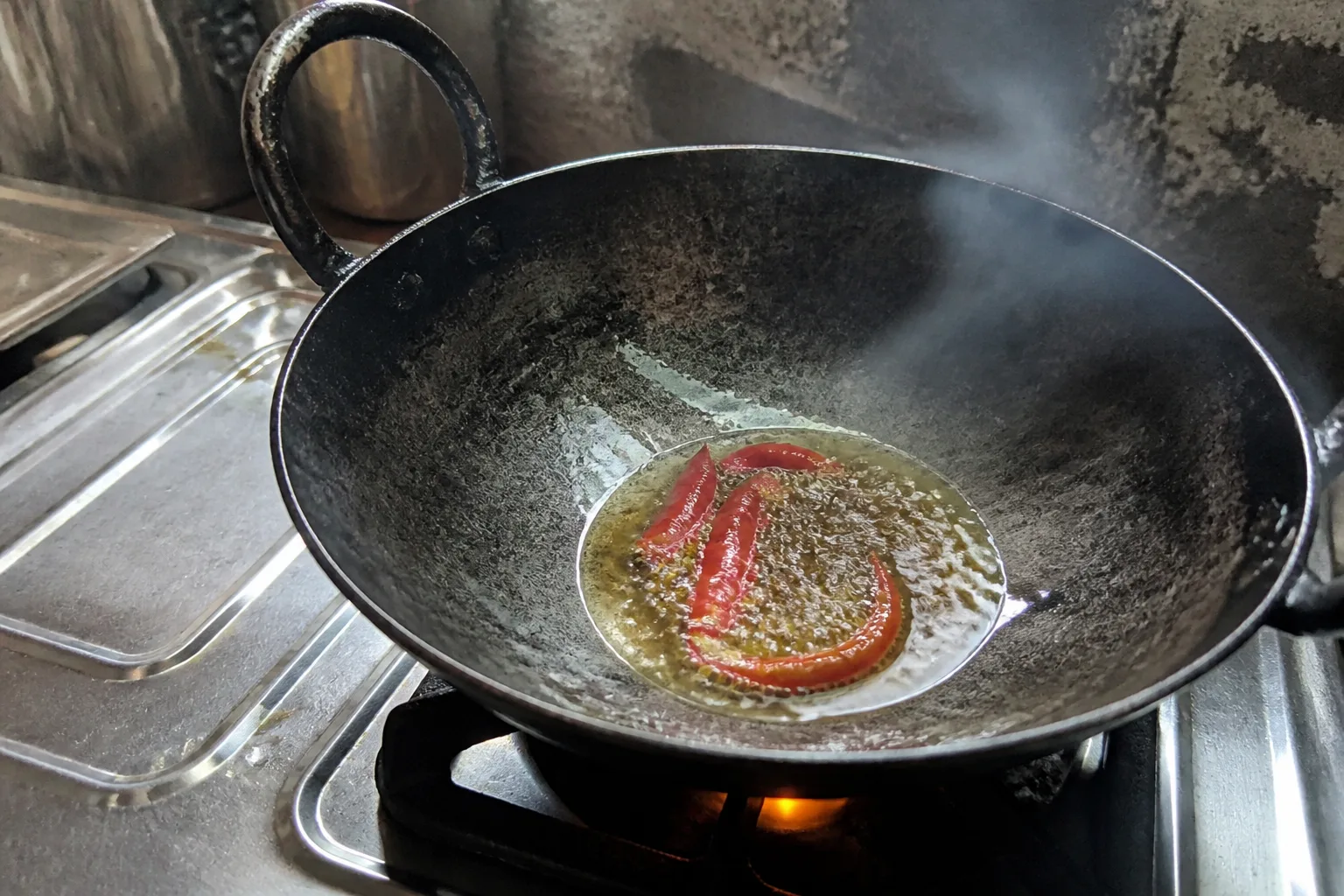
Deccan Herald and recipe sites mention heating the oil until it smokes lightly, then cooling it. Our post on heating mustard oil for achar explains the method for pickle, and mustard oil pungency and aroma covers why the smell softens.
Why people grew up with it
Business Standard’s piece says that for people raised in Kashmir, Punjab, Bihar, Bengal and Uttar Pradesh, mustard oil is a familiar taste. Gramiyaa, a seller, calls it a carrier of flavour and an ancient preservative. Taste habit is a strong reason in itself, and recipes written for it taste different with another oil.
Good to know
Some sources make health claims about mustard oil, and others warn about erucic acid. We make no claim either way. Wikipedia notes that sale of pressed mustard oil is restricted in some countries because of erucic acid levels. For labels in India, see reading a mustard oil label.
Using it without fear of the smell
Start with a small amount. Heat it until it just smokes, let it cool a little, then add spices. For the oil itself, see kacchi ghani mustard oil explained.
Frequently asked questions
Why is mustard oil used in eastern UP cooking?
It is a long standing regional cooking oil, valued for a sharp flavour that suits sattu, chokha, vegetables and pickle.
What does mustard oil add to a dish?
A pungent, nutty bite from allyl isothiocyanate.
Should it be heated?
Many cooks heat it until it smokes lightly and cool it, to soften the raw smell.
Sources used for this post: Deccan Herald, Mustard musings; Wikipedia, Mustard oil.; Tarla Dalal, mustard oil glossary; Business Standard (IANS), Pungency is the key in mustard oil; Jago News, mustard oil in eastern India; Gramiyaa (seller), cold pressed mustard oil dishes; Spice Up The Curry, kaddu ki sabzi