Blog
Garlic Pickle and Its Cultural Use: A Winter Pungency

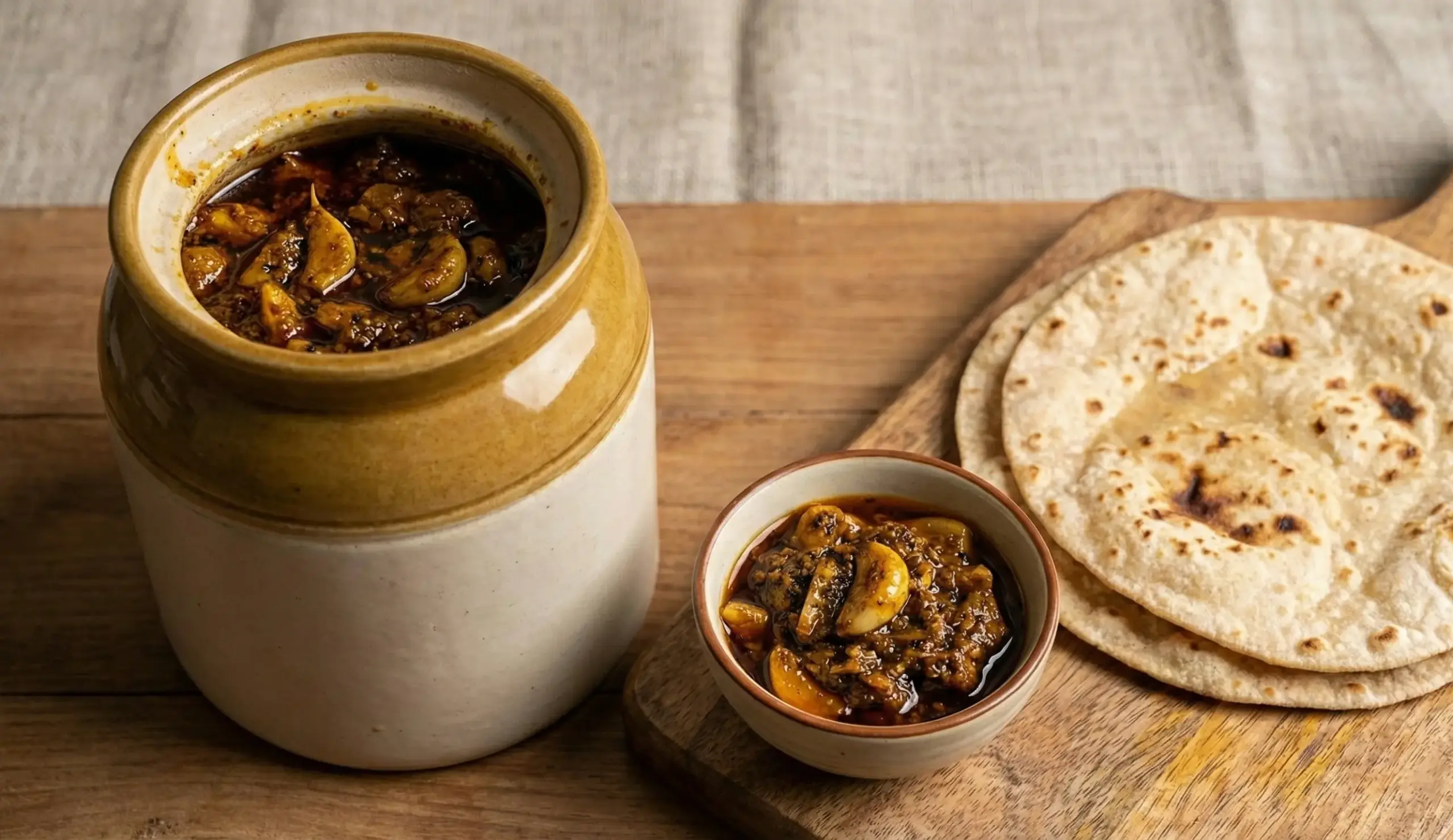
Home-bottled garlic in oil was linked to botulism in California in 1991, in Florida in 1999 and in Denmark in 2003, according to a 2011 review of home-prepared vegetables and herbs stored in oil in Food Protection Trends. A guide to garlic pickle has to start there, because lahsun ka achar is, in its simplest form, garlic held in oil, and the tradition and the hazard share one jar.
This guide does both jobs. It describes what the sources say about the pickle’s place in North Indian kitchens and in satvik households that avoid garlic, and it sets out the food-safety limits that any home cook should know before copying it.
The short answer
In short
Lahsun ka achar is a North Indian pickle of garlic cloves, spices and mustard oil, widely made in Punjab, Uttar Pradesh, Rajasthan and Haryana. It is not made in households that avoid garlic for religious reasons, and in others it sits alongside the ordinary pickles. Fresh garlic in oil is a known food-safety hazard, so published recipes use acid, cooking, refrigeration or short storage to manage the risk, and we do not promise a shelf life.
What the pickle is
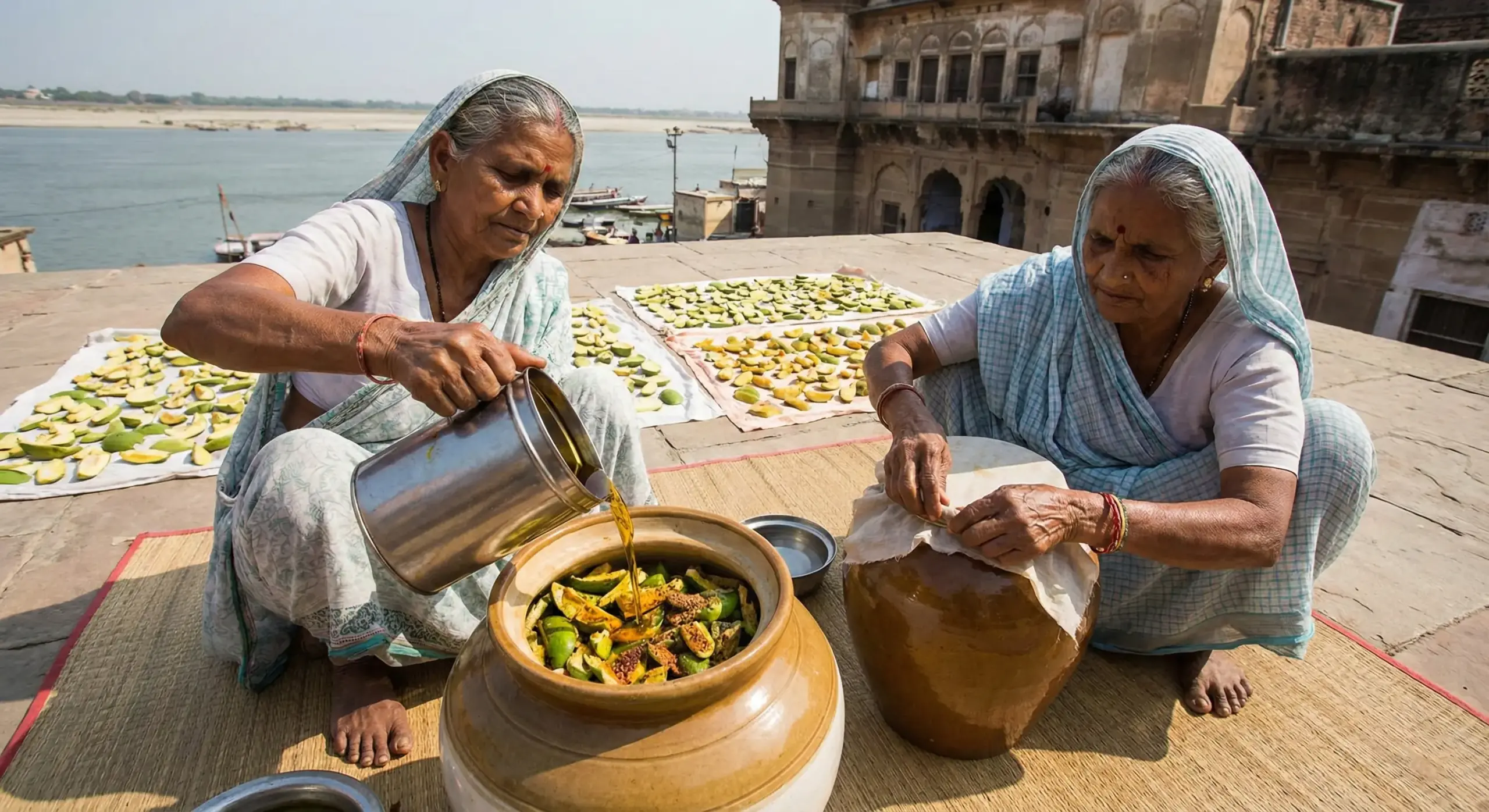
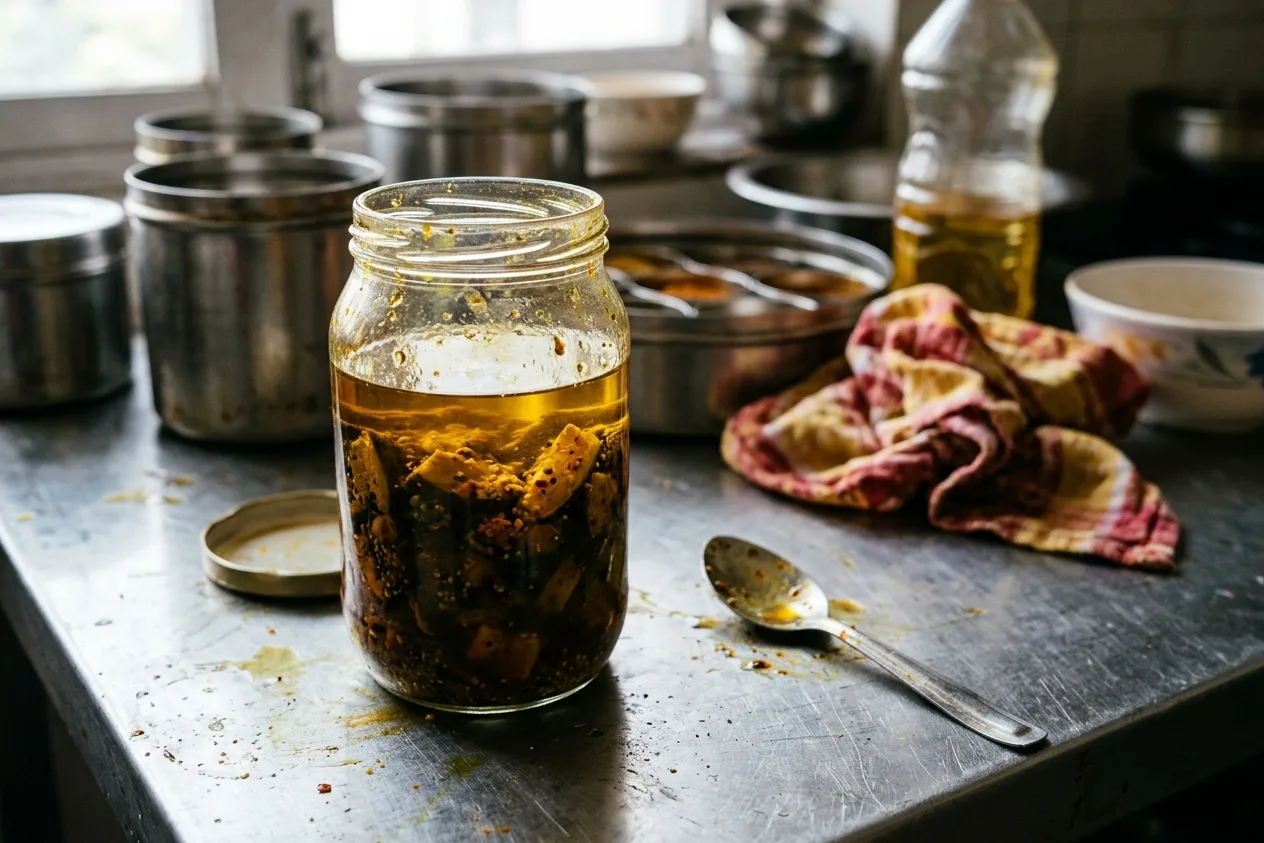
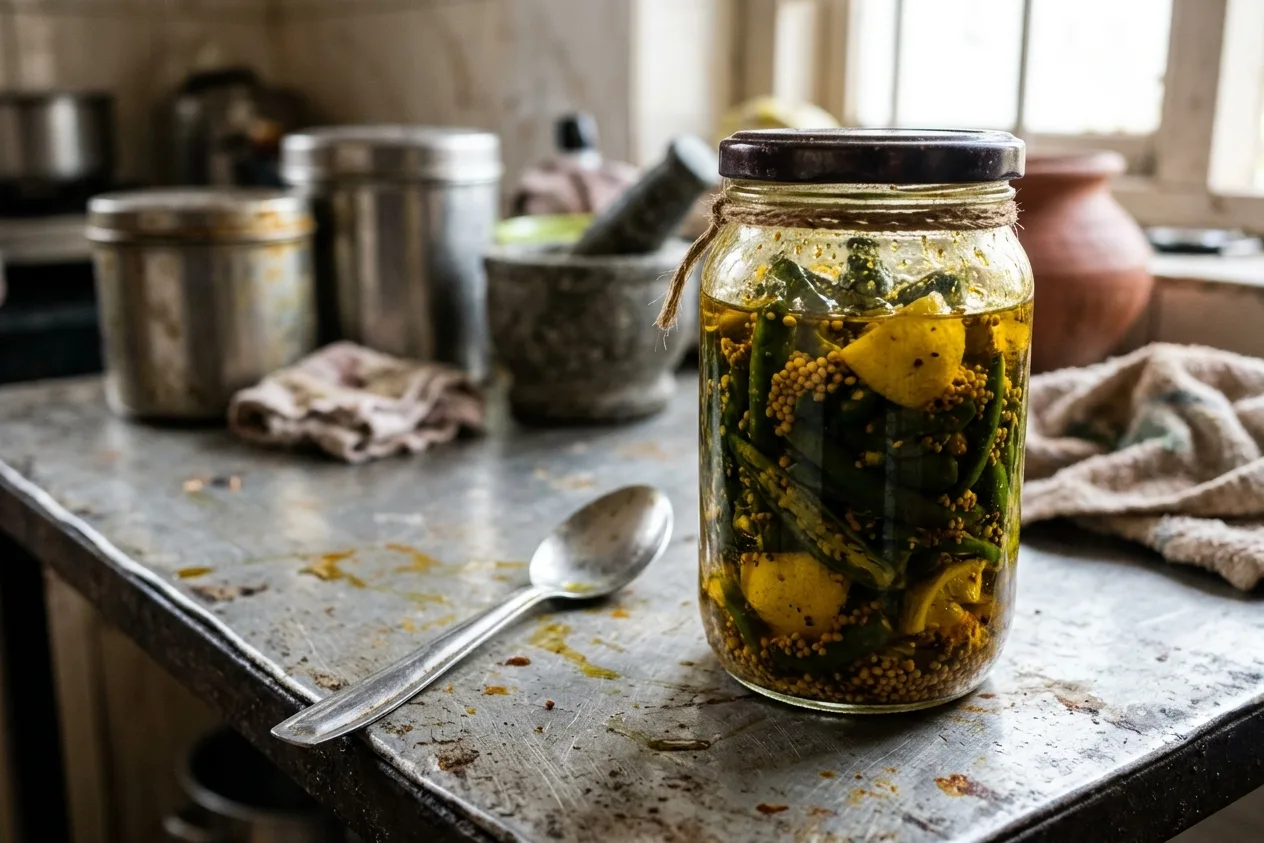
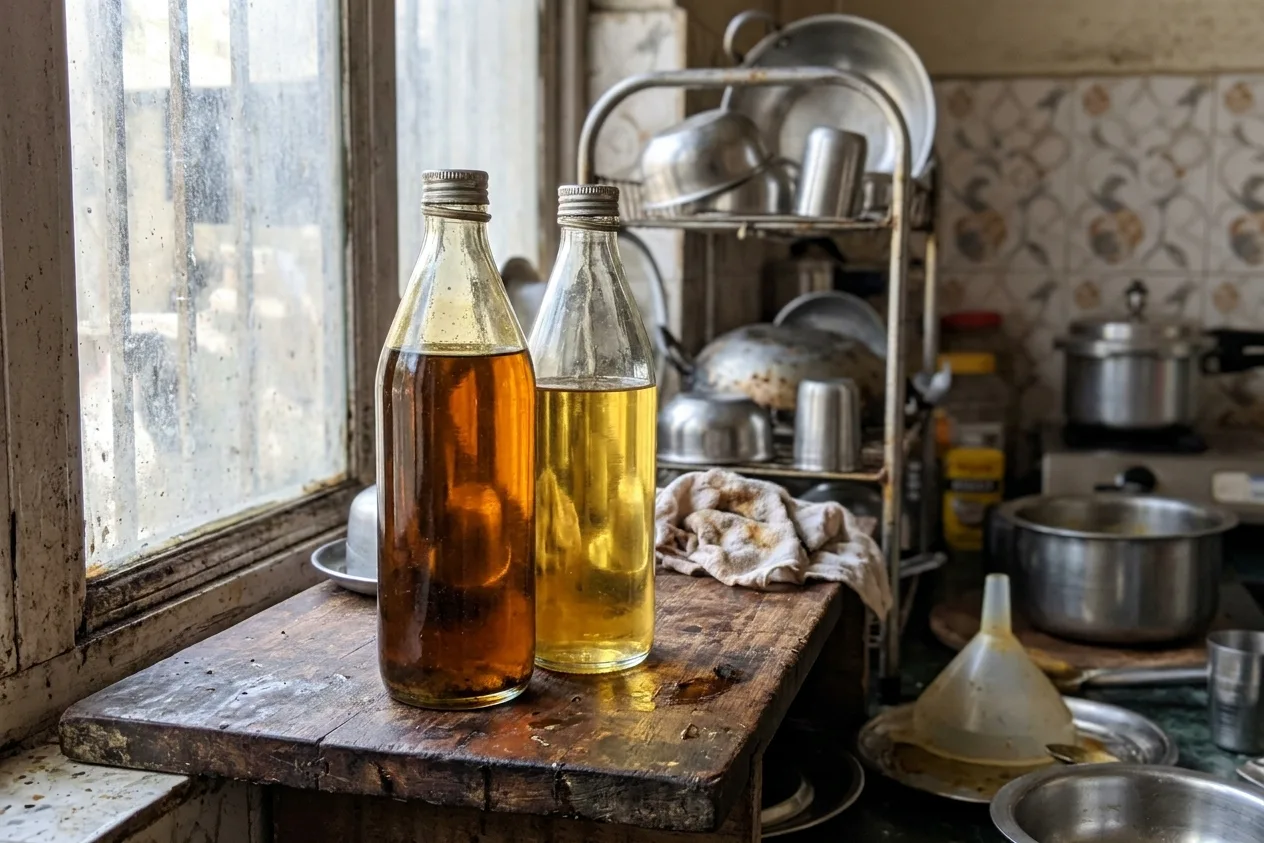
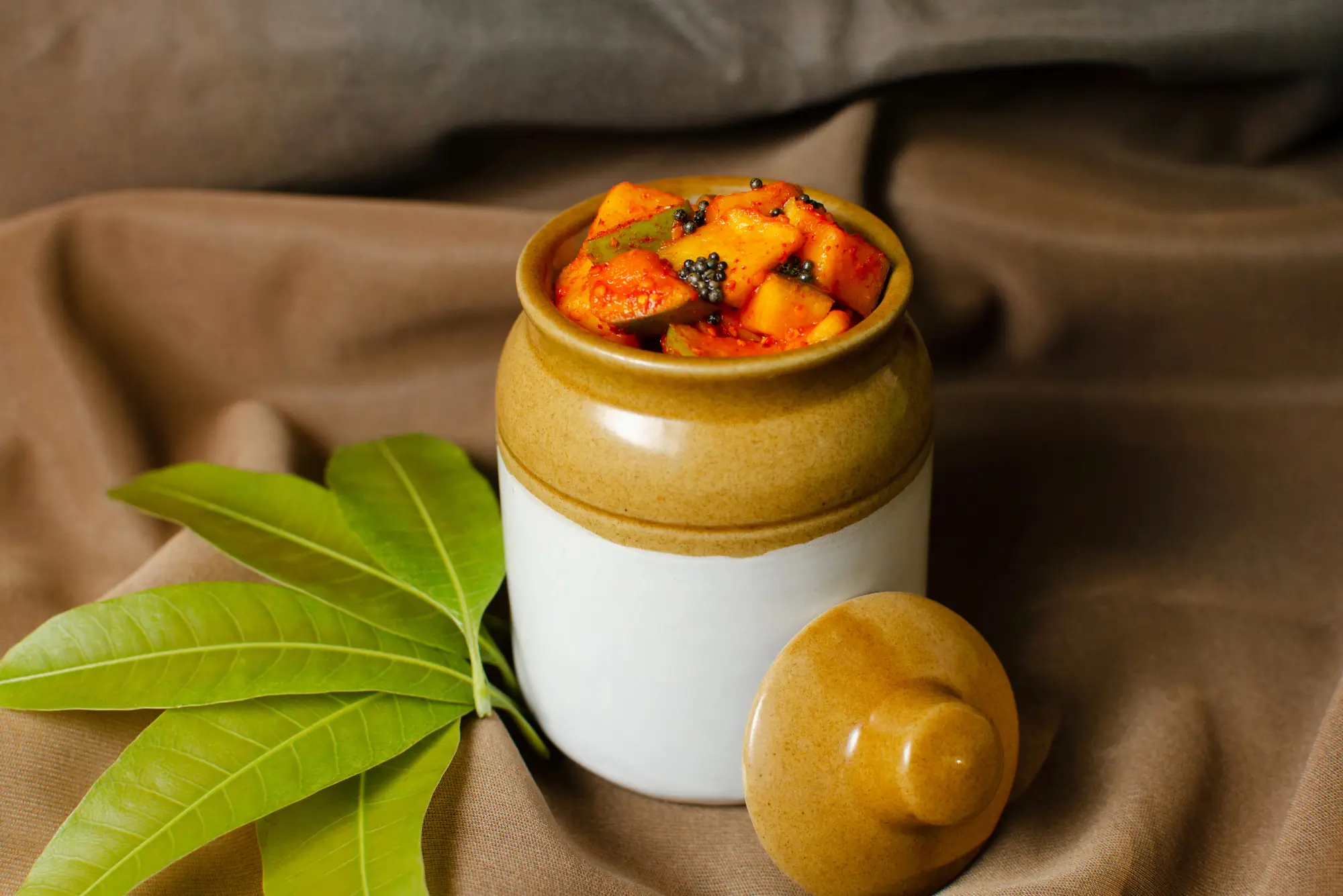
The Cuisine India Society describes Lehsun Ka Achaar as a flavourful North Indian pickle made with fresh garlic cloves, aromatic spices and mustard oil, known for a bold, tangy and spicy taste. Krishi Jagran says garlic pickle is especially popular in North India, in states like Punjab, Uttar Pradesh, Rajasthan and Haryana.
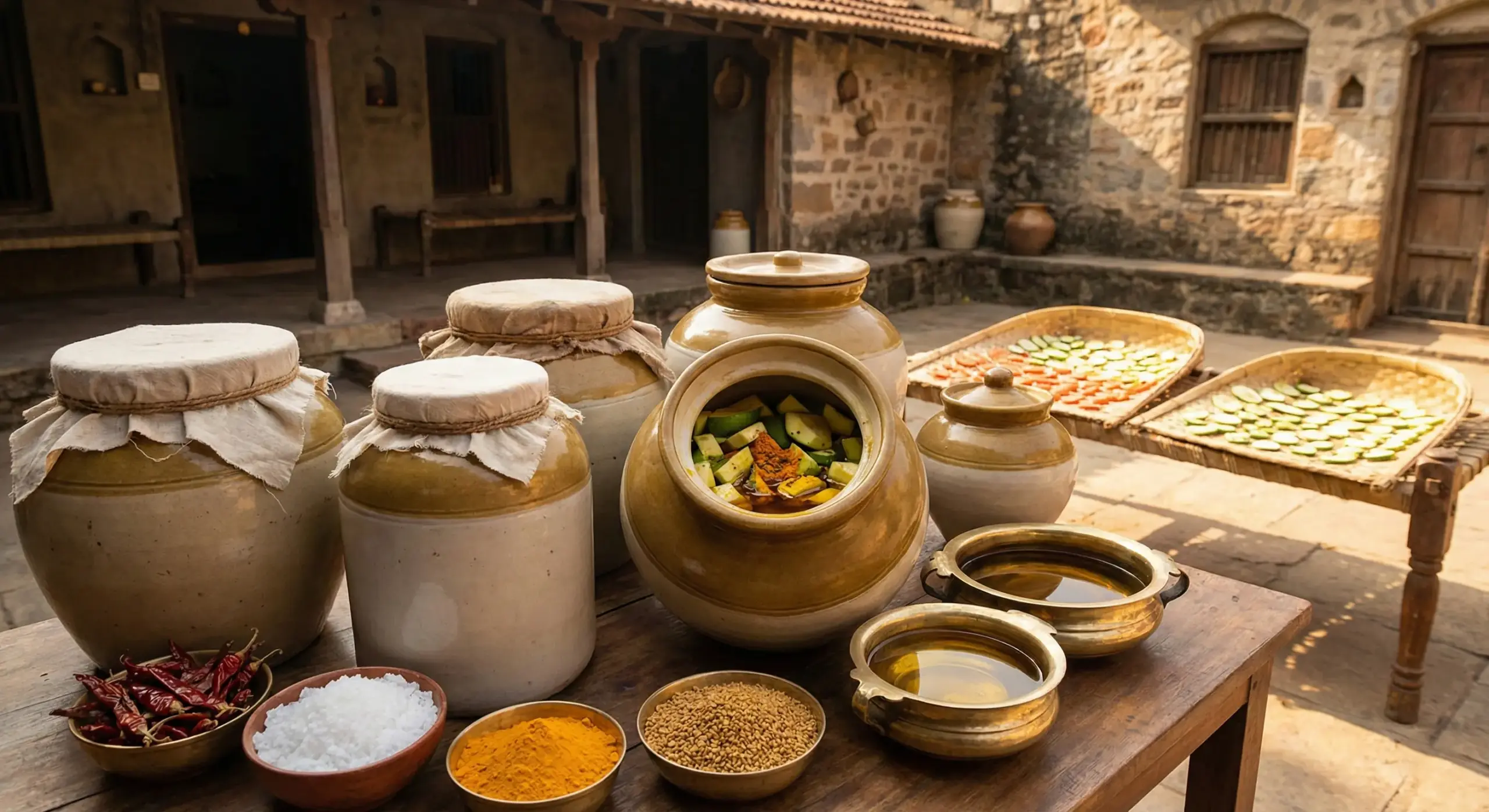
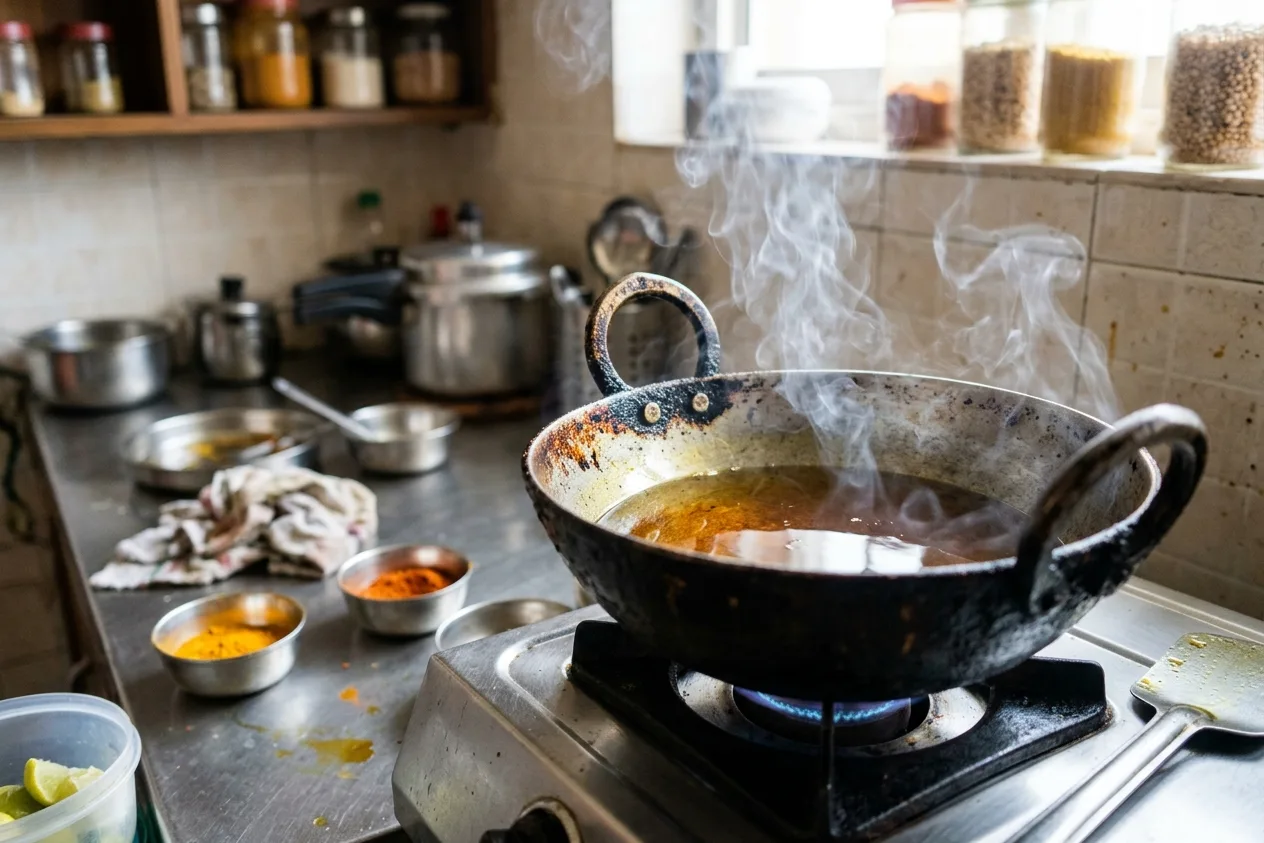
A Veg Recipes of India version, from a Punjabi family recipe, describes the pungent flavour of mustard oil uniting with fennel, nigella seeds and red chillies, paired with partially cooked fried garlic. Tarla Dalal’s Punjabi recipe uses split mustard seeds and split fenugreek seeds in the masala, which it says must be ground coarsely for the correct mouthfeel. The common pattern is a spice mix, mustard oil and garlic that has been prepared in some way. Our spice notes are in hing, methi and saunf in Banarasi achar.
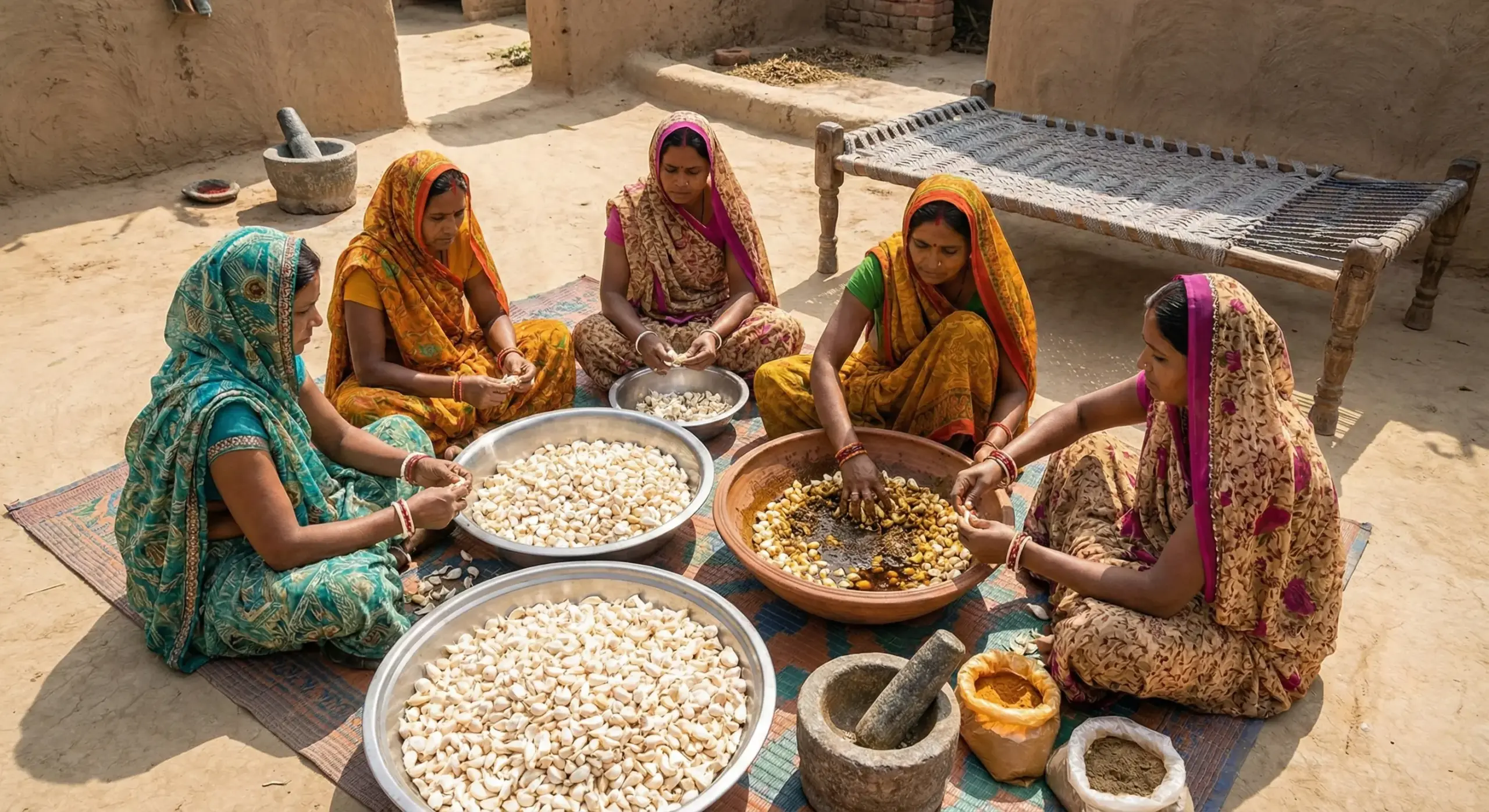
The work: peeling garlic
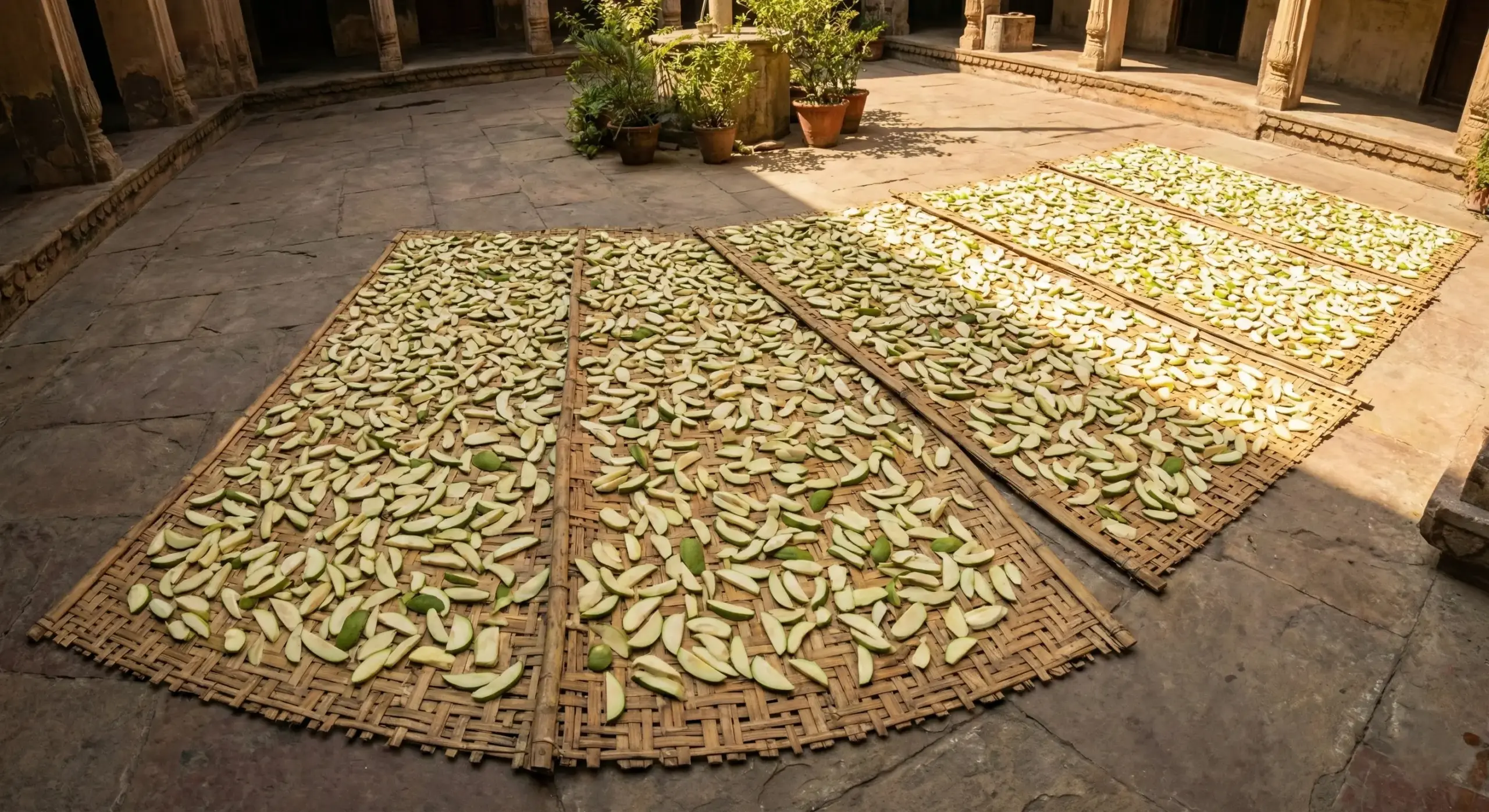
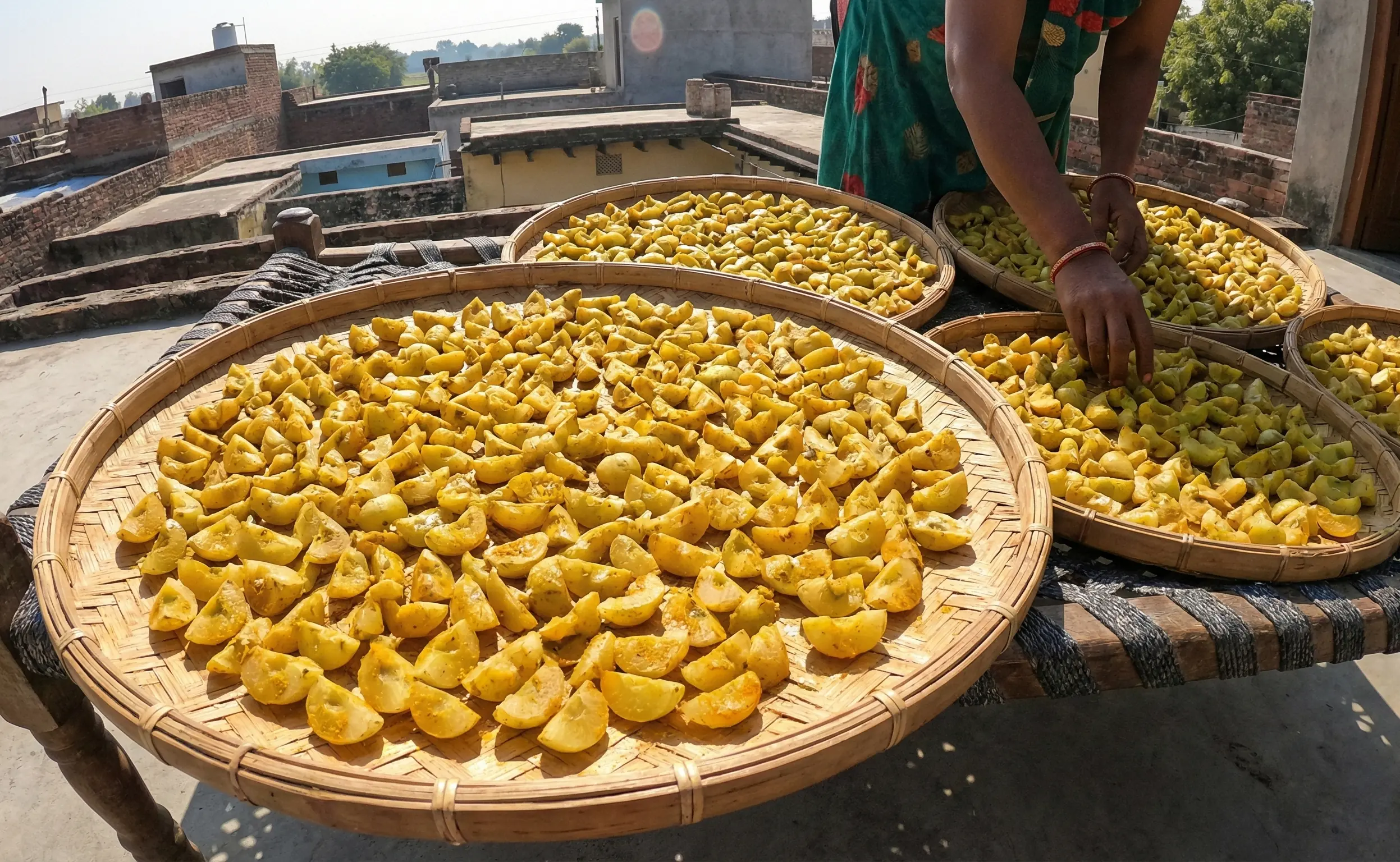
Garlic is labour-intensive to prepare.
Garlic in a satvik household
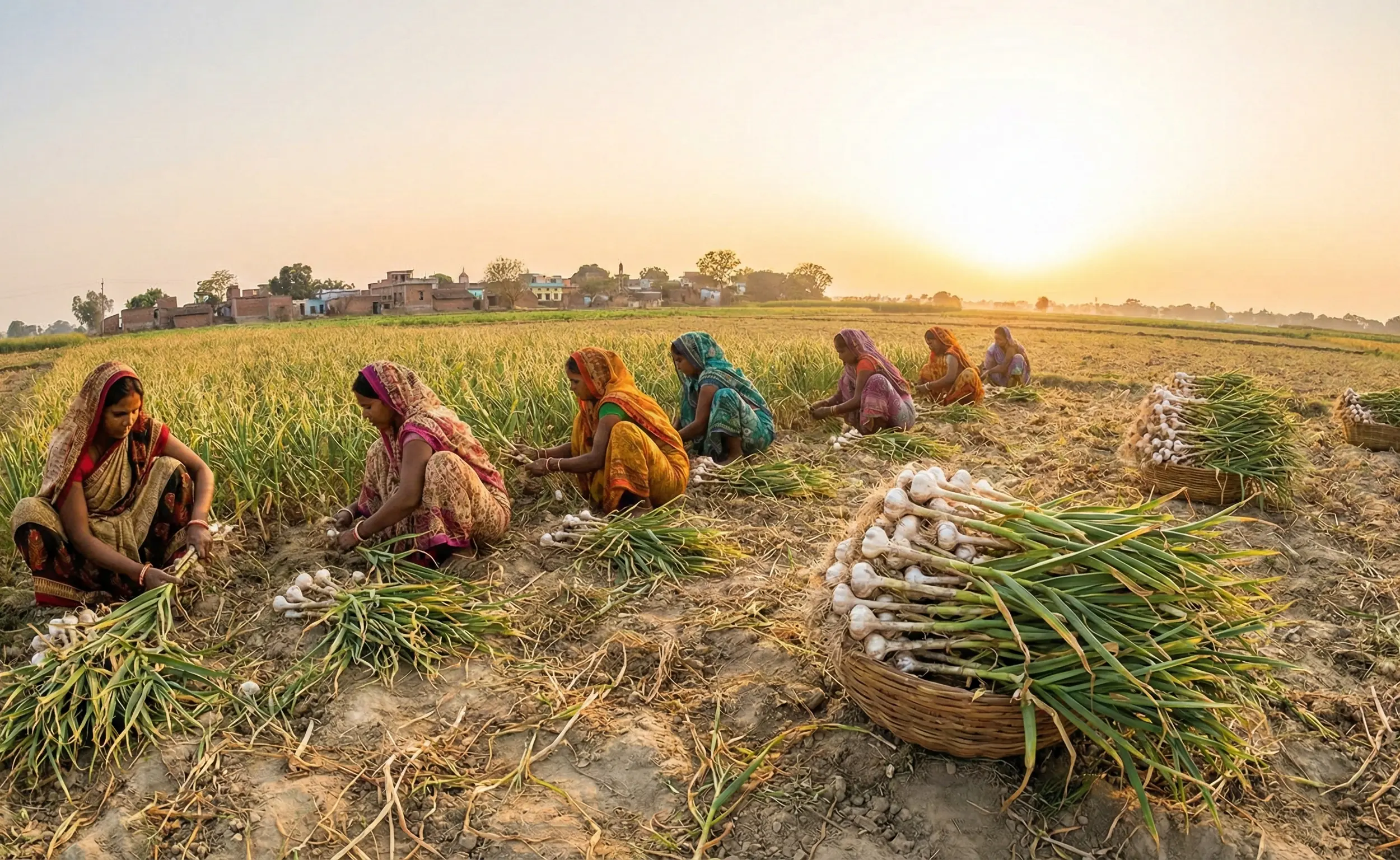
Garlic is not eaten everywhere. In Ayurvedic and Hindu frameworks, garlic and onion are classed as rajasic or tamasic, believed to excite the senses and disrupt spiritual concentration, according to a summary of dietary restrictions. The HinduTone guide to sattvic cooking says that many Vaishnava families and temples, many Brahmin households and many families on puja and vrat days keep a no-onion, no-garlic rule, that some families never use onion or garlic at all, and that many leave them out only of naivedyam or only on puja, vrat and festival days. Jain cooking is a stricter, separate practice, and Saveur’s feature describes Jain food as strictly vegetarian and made without onions or garlic.
That means a garlic pickle may be made in one house and unthinkable in the next, even in the same city. In Banaras we expect the same household-by-household split, and we cover its cooking side in garlic in Banaras cuisine and Banarasi satvik cooking.
Hing is the usual substitute in garlic-free kitchens, as described in traditional spice blends in Banaras.
The food-safety note
Garlic is a low-acid vegetable. The Food Protection Trends review explains that vegetables and herbs in oil provide several conditions necessary for botulinum toxin production, including an anaerobic environment, and that documented outbreaks have identified vegetables and herbs in oil as the food source, most of them home-prepared. Implicated foods include peppers, garlic, mushrooms and eggplant. After a second outbreak linked to garlic in oil in 1989, the US FDA ordered the removal of commercial garlic-in-oil products from the market.
Oregon State University Extension notes that commercial garlic-in-oil mixtures are acidified to prevent bacterial growth, and that home refrigerators are often not cold enough to store such food safely for long periods. Penn State Extension says that botulinum spores do not grow in an acid environment or at cool temperatures. CSIRO, Australia’s science agency, adds that the preservative effect of garlic is slight and inconsistent, as the botulism incidents in Canada and the United States prove.
Published garlic pickle recipes reflect this in different ways. The Veg Recipes of India recipe says its garlic pickle stays good for about two weeks at room temperature. Tarla Dalal’s recipe adds acid, saying the acid helps increase the shelf life, and that the pickle stays well for up to three months in a cool dry place. These are recipe-writers’ figures, not safety standards, and the gap between two weeks and three months shows how much depends on the recipe. A traditional mustard oil garlic pickle that is long-kept at room temperature, without acid or refrigeration, is the kind of preparation food-safety bodies warn against. We therefore give no storage figure and no home recipe, and we ask any maker to follow a tested, acidified method and refrigerate where the guidance says so.
What the pickle is used for
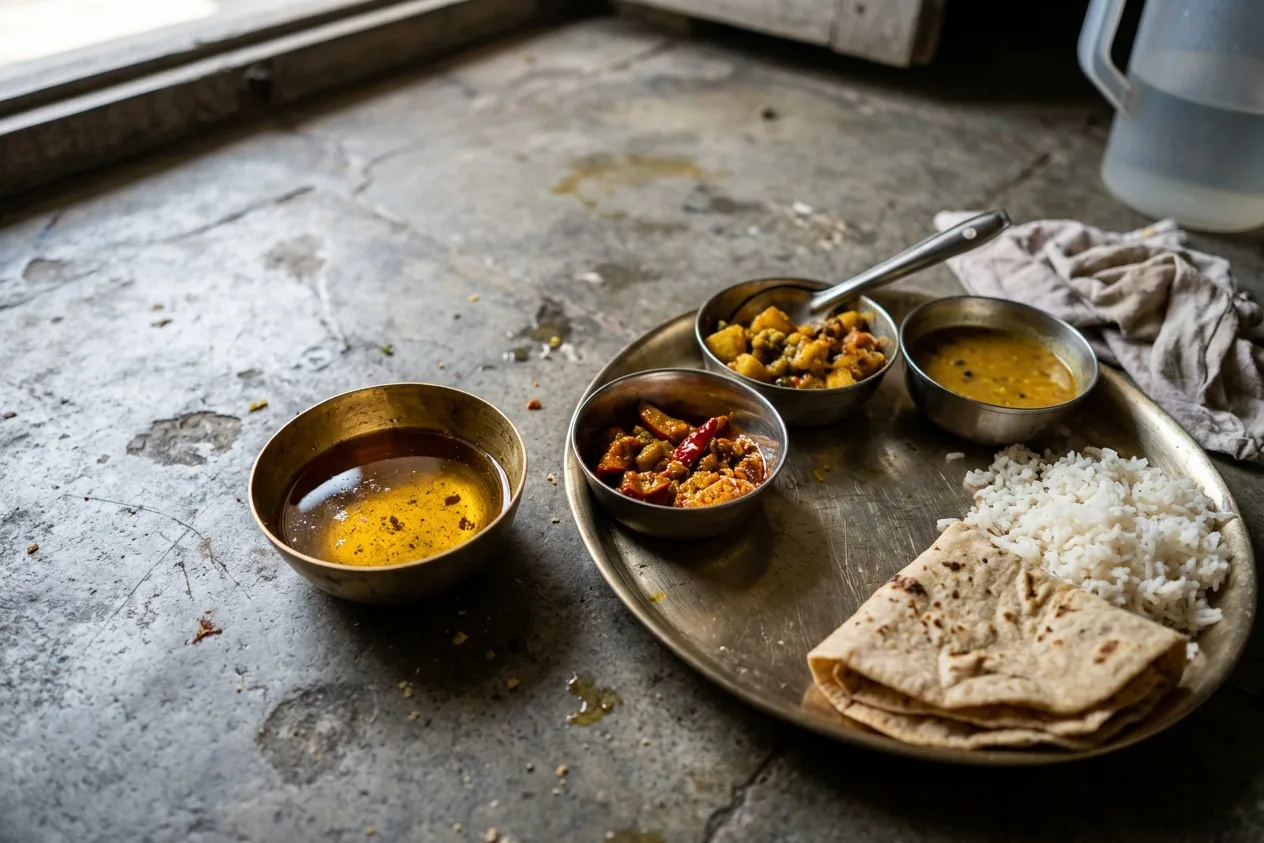
Garlic pickle is served in small amounts. Veg Recipes of India suggests half to one teaspoon with any Indian main course, and Organic Mandya lists chapati, paratha, steamed rice with ghee and khichdi as pairings. It adds a strong, savoury and sour note to plain food.
We have not repeated the health claims that sellers attach to garlic pickle, including immune and heart benefits, because they are marketing statements, not findings. The honest line is that garlic is valued in many kitchens for its taste.
Buying and handling garlic pickle with care
If you buy garlic pickle, read the label before you read the recipe. Look for a clear ingredient list, a packing date, the maker’s food licence number and any storage instruction such as refrigerate after opening. Treat that instruction as a rule and not as a suggestion, because garlic kept under oil is one of the preparations food-safety guidance asks people to handle carefully. Use a clean, dry spoon, return the jar to the cool place or the refrigerator straight after serving, and do not keep a jar open on the table through a long meal. Garlic pickle is strong, so a spoonful is usually enough beside khichdi, dal and rice or a plain paratha. If you are making garlic pickle at home, follow a tested recipe from a food-safety source and keep to its storage advice, and do not improvise with the oil or the acid.
Frequently asked questions
What is lahsun ka achar?
A North Indian pickle of garlic cloves with spices and mustard oil. It is common in Punjab, Uttar Pradesh, Rajasthan and Haryana.
Why do some households not make garlic pickle?
Garlic is classed as rajasic or tamasic in Ayurvedic and Hindu frameworks, and many Vaishnava, Brahmin and Jain households avoid it.
Is garlic pickle safe to store at room temperature?
Food-safety agencies warn against storing fresh garlic in oil at room temperature because of botulism risk. Recipes that keep it use acid or short storage. Follow a tested, acidified method.
Does mustard oil make garlic pickle safe?
No. CSIRO notes that the preservative effect of garlic and similar plants is slight and inconsistent, and oil itself creates an oxygen-free environment.
What replaces garlic in a satvik kitchen?
Hing is the usual substitute, along with ginger and spices.
How long does garlic pickle last?
It depends on the recipe, acidity and storage. Recipes we read range from two weeks to three months. We make no promise.
Is garlic pickle healthy?
Sellers make many claims, but we make none. It is a strongly flavoured condiment eaten in small amounts.
Sources used for this post:
– Nummer, Schaffner, Fraser and Andress, “Current Food Safety Issues of Home-prepared Vegetables and Herbs Stored in Oil,” Food Protection Trends, 2011
– Cornell Cooperative Extension, “Herbs and Vegetables in Oil”
– Penn State Extension, “How to safely make infused oils”
– CSIRO, “Vegetable preservation”
– Cuisine India Society, Lehsun Ka Achaar
– Krishi Jagran, garlic pickle guide
– Veg Recipes of India, Lahsun ka Achar
– Tarla Dalal, Lahsun ka Achaar
– HinduTone, “Sattvic Cooking Without Onion and Garlic”
– Summary of dietary restrictions on garlic and onion
– Saveur, “Good Karma” (Jain cuisine)
– Organic Mandya, garlic pickle recipe