Blog
Lemon Pickle in North Indian Homes: Kagzi Nimbu, Salt and Sun

“Aged lemon pickles are often hailed for their healing powers and are strongly believed to have probiotic properties,” Al Jazeera’s feature on India’s pickle people reports, in a sentence that is a good example of how much a lemon jar gets asked to carry. This guide leaves those claims where they belong, as belief, and looks at what the sources actually describe: how a North Indian household turns lemons, salt and sun into a pickle, how many forms the pickle takes, and why the oldest jars turn black.
The short answer
In short
Nimbu ka achar is made by cutting or slitting lemons, curing them in salt and spices, and ripening the jar in the sun until the peel softens. North Indian versions come with oil, without oil, sweet with jaggery or sugar, or aged for years until black. Which a household makes depends on taste and custom, not on a single rule. The sun and salt do the preserving, and the pickle improves as it ages.
The method in outline
The Al Jazeera feature gives the simplest account. To make a lemon pickle, wash, dry and slice the fruit, toss it with salt in proportion to its weight, sun-dry it, mix it with additional ingredients and bottle it. The salt draws water from the lemons, and the sun does the rest.
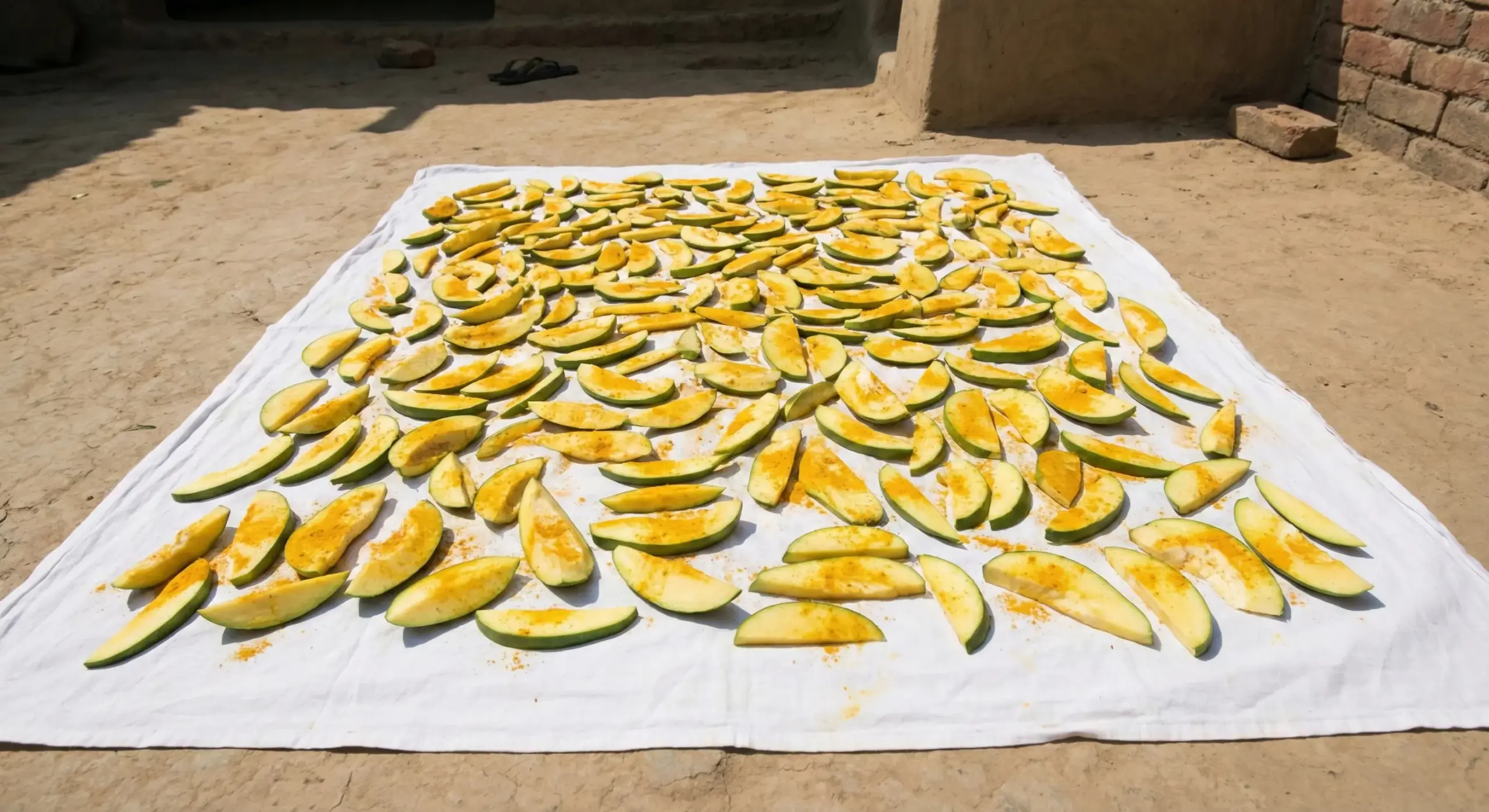
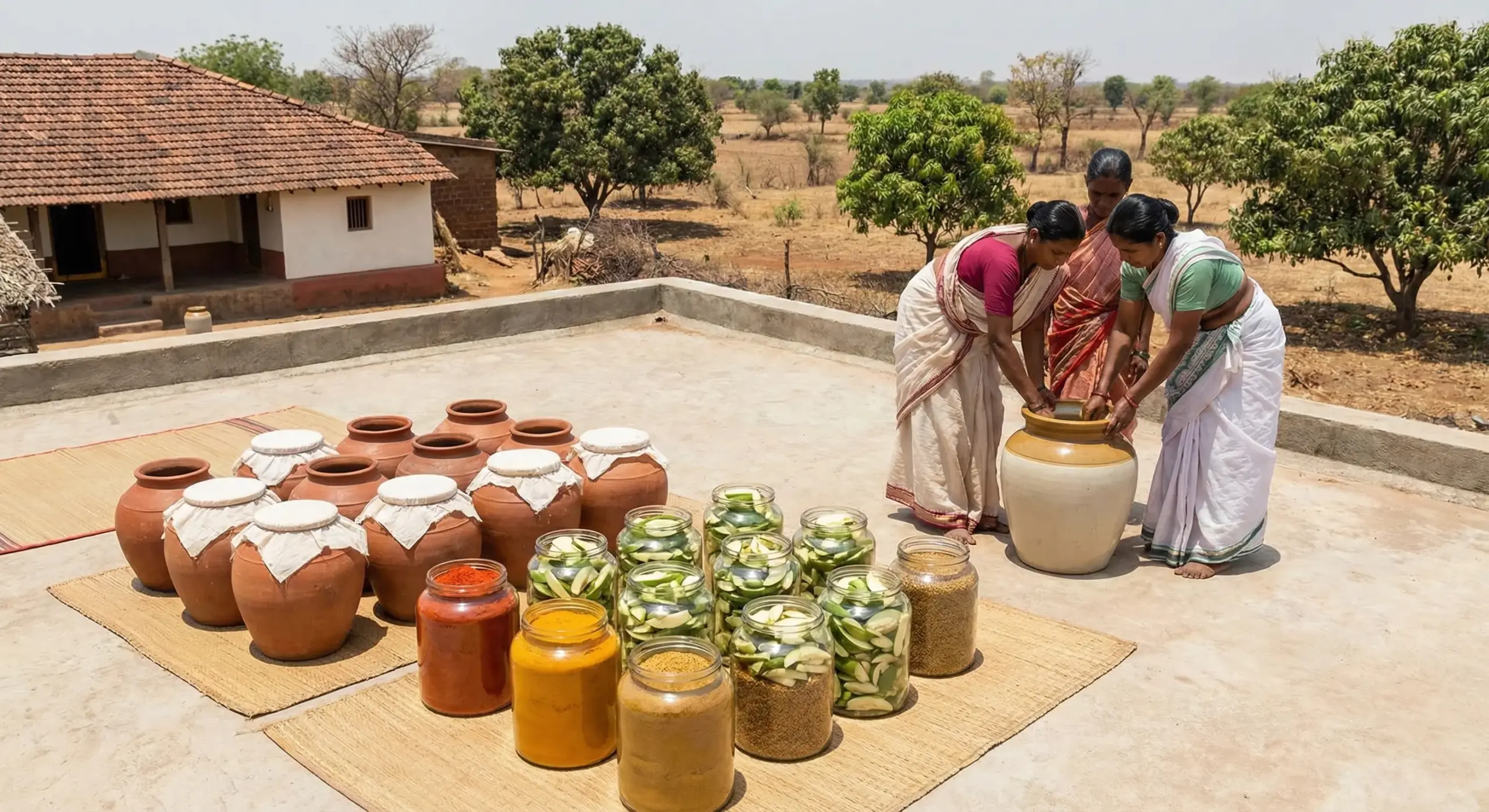
Recipes fill in the detail. A Veg Recipes of India guide to no-oil lemon pickle puts the jar in sunlight for four to five days, until the lemon pieces have softened and the pickle has matured, with a gentle shake every day. It also advises adding some salt on top of the pickle in the jar during sun-drying, because the salt keeps the top from spoiling. A sweet lemon pickle recipe from Tarla Dalal says the maturing period is needed for the lemons to absorb the flavour of salt, and that the lemons must be tossed every day during the seven-day maturing to avoid fungal growth. For why the sun matters, see why sun-drying is essential for Indian pickles.
Two practical points repeat across sources. Everything must be dry before it goes into the jar, and the jar must be handled with clean, dry utensils. Traditional storage methods for pickles covers both.
With oil, or without
The published recipes complicate that. Masala and Chai, whose recipe it describes as a mother’s decades-old North Indian method, calls the pickle one that relies on leaving the lemons in the sun to ferment, and notes that unlike most achars it has no oil. Sinfully Spicy describes its nimbu achar as a simple North Indian lemon pickle made with lemons, spices and salt, without oil, needing sun fermentation for preserving. Veg Recipes of India sells the same idea under the title no-oil Indian lime pickle.
Oil versions exist too. Al Jazeera describes one preparation in which lemons are mixed with ajwain, khand (powdered jaggery), black salt and table salt, mustard oil heated to smoking point is added, and the mix is put out in the sun. The Slurrp guide to regional nimbu achaar calls the Punjabi style bold, sharp and more heavily spiced, with whole lemons cut, salted generously and sun-cured for days until the peels turn soft naturally.
So both forms are North Indian. The no-oil version relies on salt and acid, and the oil version adds a seal and flavour, as explained in why Banaras pickles are oil-rich.
Sweet and sour: khatta meetha nimbu achar
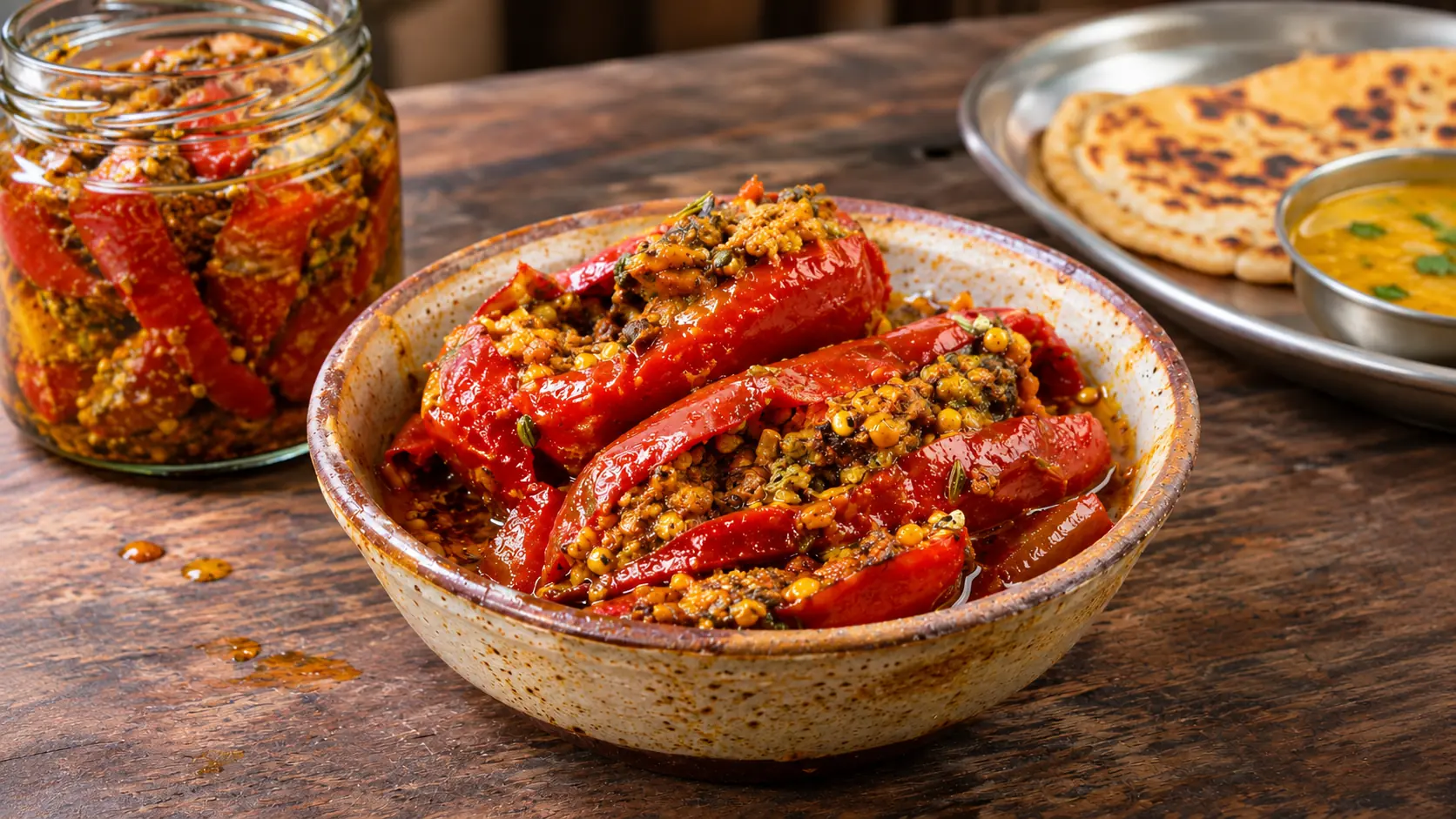
A second family of lemon pickle adds sweetness. Masala and Chai notes that some households sauté the lemons in melted jaggery with the spices to mellow the sourness, or add a small amount of sugar to the sun method. A Veg Recipes of India khatta meetha version uses 500 grams of lemons with a cup of jaggery, a little sugar and chilli and coriander powder, and says it keeps well for about one to two months in the fridge and does not need sunlight. Another recipe by Rachna says her version lasts four to six months in a cool dry place, a claim we cite as the recipe-writer’s own.
Our comparison of the styles is in lemon pickle types compared.
Why aged lemon pickle turns black
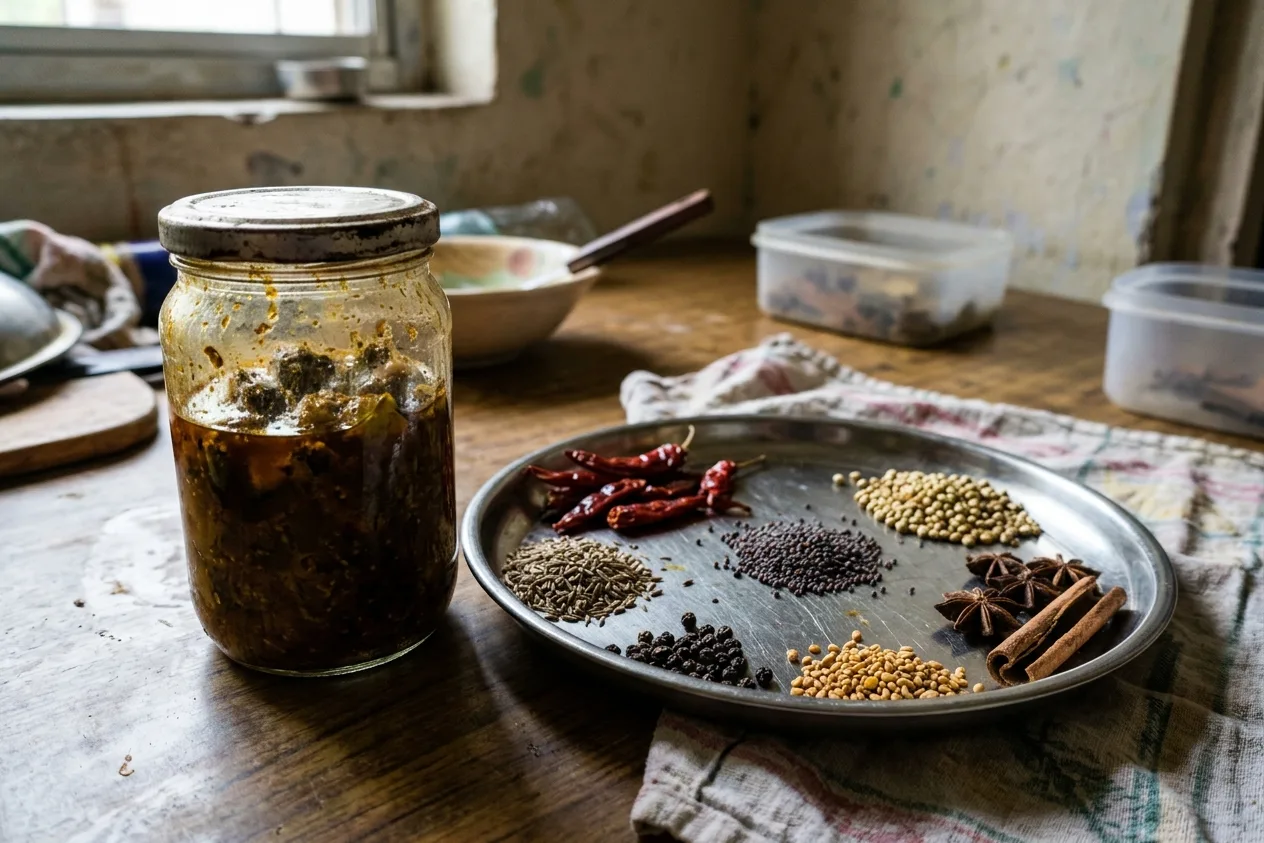
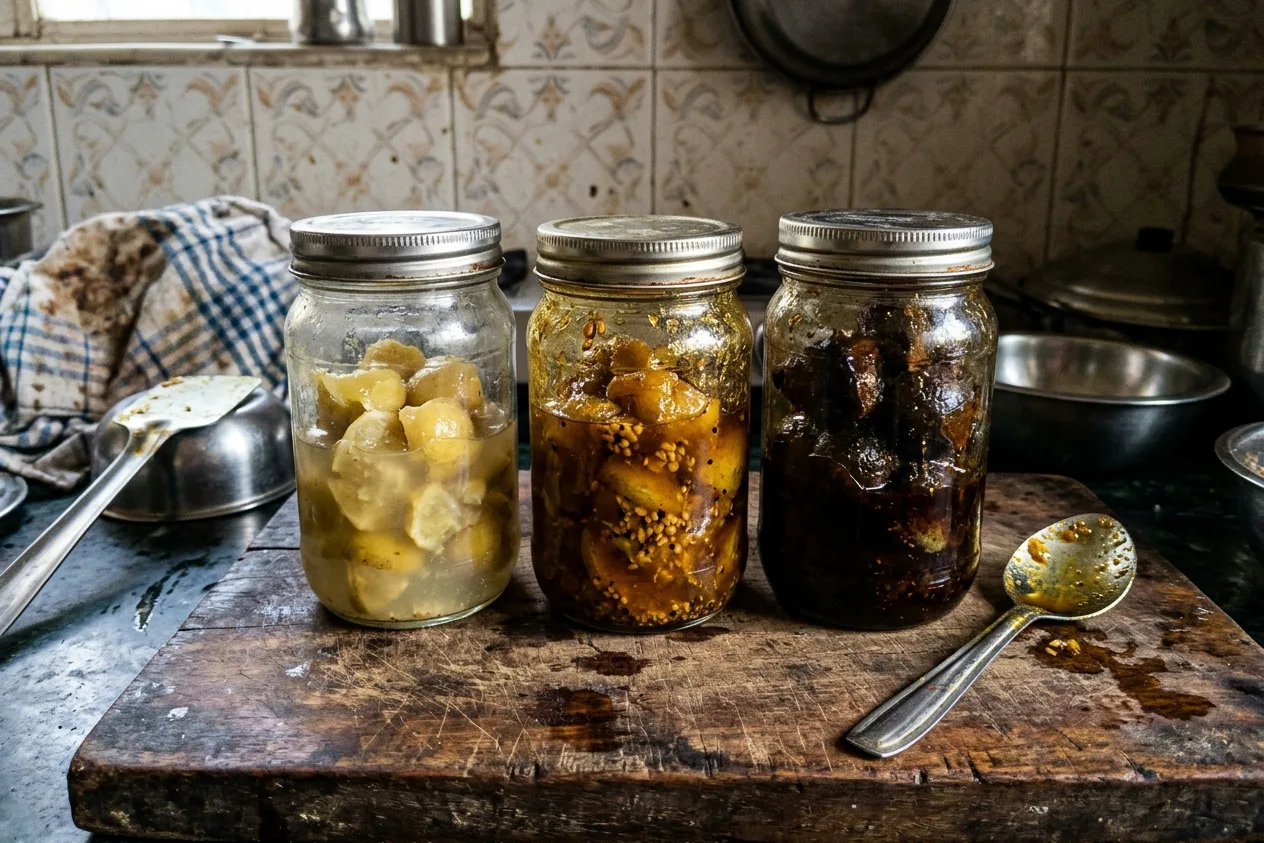
The oldest lemon pickles are black, soft and mellow. The Al Jazeera feature describes a pickle made by sun-drying salted sliced lemons that had turned completely black, as aged lemon pickles tend to do. A pickle maker quoted there explains the darkening with a comparison to sliced potatoes turning black, saying it is the same process, just over years. The same feature mentions a kala nimbu achar (black lemon pickle) served at a wedding in Jalandhar, Punjab, that had been in the family for years.
This is a change of colour and flavour over time, and we make no claim about safety or health from it. A black pickle that smells sour and clean is a traditional product, and one with fuzzy growth, a rotten smell or slime is spoiled, whatever its age.
The jar and the handling
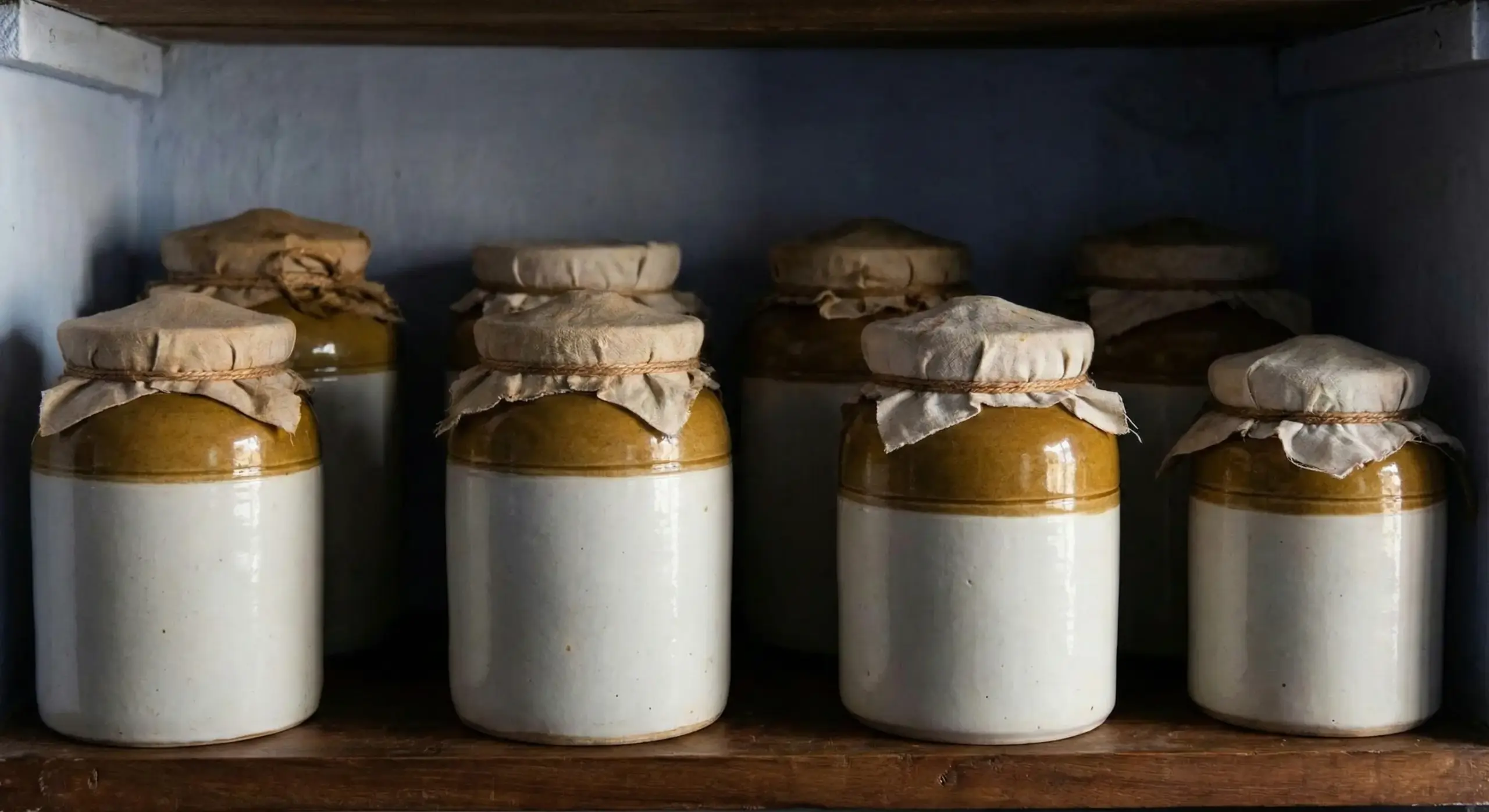
The pickle’s long life, where it has one, depends on the jar. Glazed ceramic or glass is the safe choice for a salty, acidic pickle, and the glaze on old ceramic must be sound, as we discuss in traditional storage methods for pickles. InstaCuppa notes that salt can slowly pit stainless steel, which is one reason to avoid steel for long storage, and a Slurrp storage guide advises a cool, dry shelf with a clean dry jar.
Many recipes ask for a daily shake of the jar during sun-curing. Shaking redistributes the brine and keeps the top pieces from drying out, and it is one of the habits a recipe writer can describe more precisely than an oral tradition.
What season, and what lemon
Recipes describe pickling lemons whenever they are abundant, and Slurrp describes summer meals as feeling incomplete without a spoonful of lemon pickle, which suggests a summer link.
Using and storing a lemon pickle at home
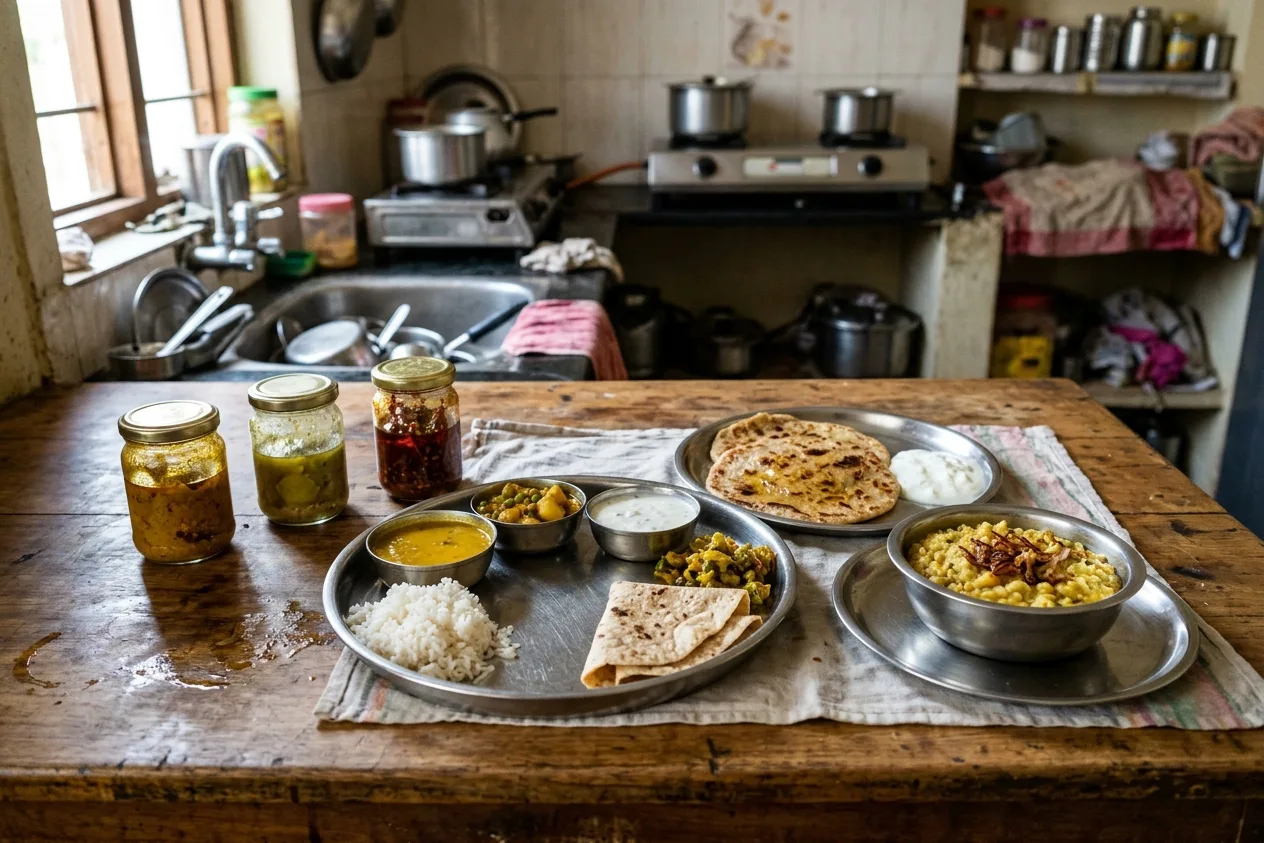
A lemon pickle is easy to enjoy and easy to spoil, and the habits are the same as for any pickle. Use a clean, dry spoon every time, never a wet one, and never dip a fork from the plate into the jar. Keep the lemon pieces covered by their own brine or oil, close the lid firmly after use, and store the jar away from heat and direct sun once it has finished maturing. If the label says to refrigerate after opening, follow it. Because lemon pickle is sour and salty, a small amount goes a long way, and it works as a relish beside dal and rice, khichdi or a plain paratha. Look and smell before serving: a sharp, sour, salty smell is normal, while a fuzzy surface, a sticky film or an off smell means the jar should be thrown away.
Frequently asked questions
How is nimbu ka achar made?
Lemons are washed, dried, cut, cured in salt and spices and ripened in the sun for days until the peel softens. Some recipes add oil, and others do not.
Does lemon pickle need oil?
No. Several North Indian recipes make it without oil, relying on salt, acid and sun. Oil-based versions also exist.
Why does lemon pickle turn black?
Aged lemon pickle darkens over time, in the way sliced potatoes darken, according to a pickle maker quoted by Al Jazeera. It is a change of colour and flavour.
How long should lemon pickle sit in the sun?
Recipes give anything from four or five days to a week or more, with a daily shake. The right time depends on the sun and the fruit.
What is the difference between salty and sweet lemon pickle?
Sweet versions add jaggery or sugar to mellow the sourness. Salty versions rely on salt and spices.
Is aged lemon pickle probiotic or medicinal?
It is often described that way, but we make no health claim and the belief is not established.
Can I store lemon pickle in a steel container?
Glass or sound glazed ceramic is safer for long storage, since salt and acid can attack metal.
Sources used for this post:
– Al Jazeera, “India’s pickle people: Decades-old culinary heirlooms, nostalgia”
– inkl, same feature (kala nimbu achar)
– Veg Recipes of India, lemon pickle (no oil)
– Veg Recipes of India, Nimbu ka Achar (khatta meetha)
– Masala and Chai, Nimbu ka Achar
– Sinfully Spicy, Nimbu Achar (no oil)
– Tarla Dalal, Sweet Lemon Pickle
– Rachna Cooks, Khatta Meetha Nimbu Ka Achaar
– Slurrp, “Regional Indian Nimbu Achaar Varieties Worth Trying”
– InstaCuppa, “How to Store Pickles: Ceramic, Glass and Steel”