Blog
Cold-Pressed vs Refined Mustard Oil: A Plain Comparison


A Consumer Voice study of 13 brands of kachi ghani mustard oil, published on the government’s consumer affairs portal, begins from a simple fact: kachi ghani is a cold press extraction method in which the seeds are crushed at low temperature. That single phrase marks the line between the two oils in this comparison. The other is refined, which goes through further steps after pressing.
This guide covers how the two differ in process, taste and use. It does not compare health effects, which are a separate matter.
The short answer
In short
Cold-pressed (kachi ghani) oil is made by pressing the seeds at low temperature and is strong in aroma and pungency. Refined oil goes through extra processing and is milder. For achar, cooks usually prefer kachi ghani for its character.
How each is made
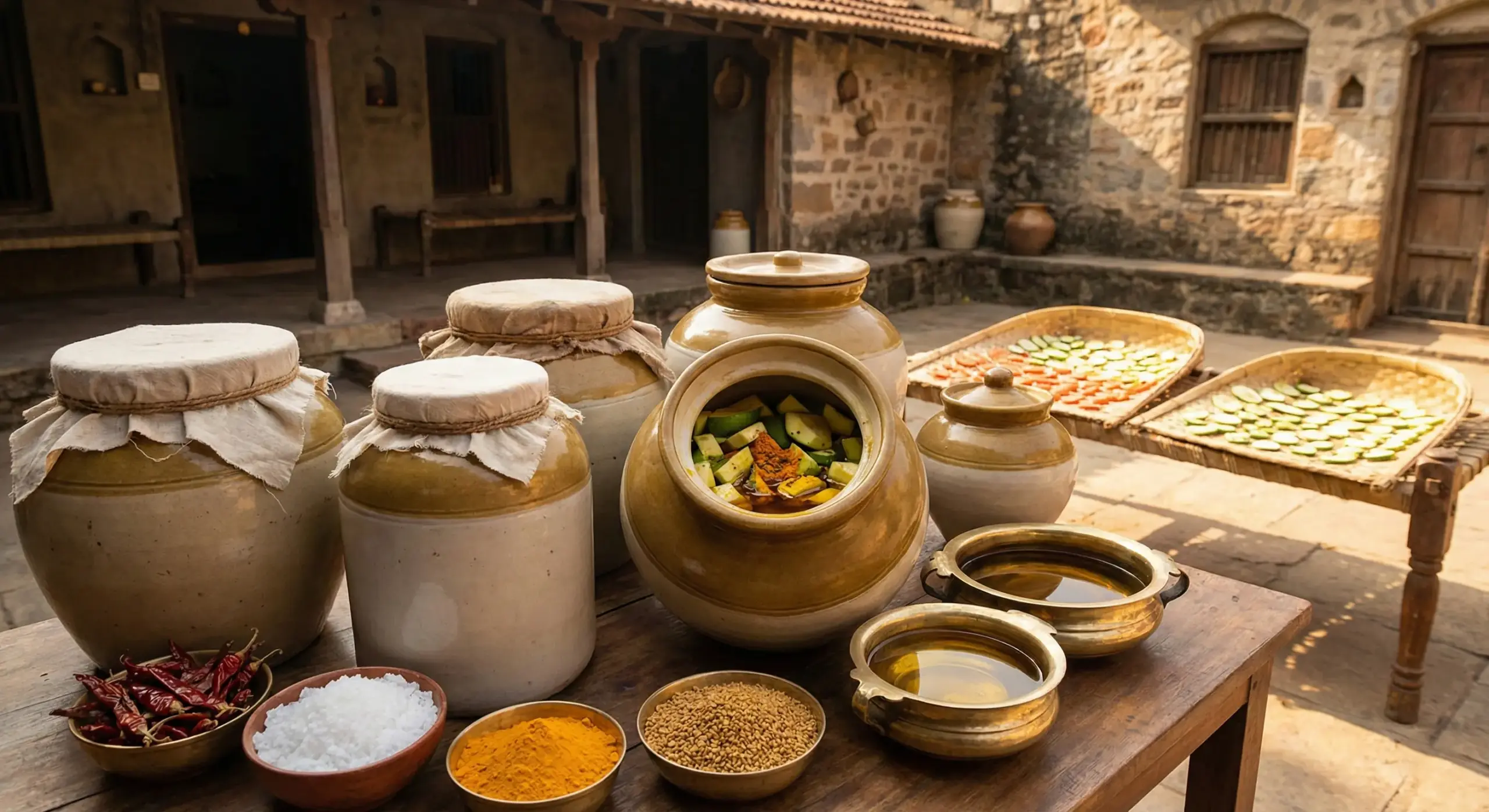
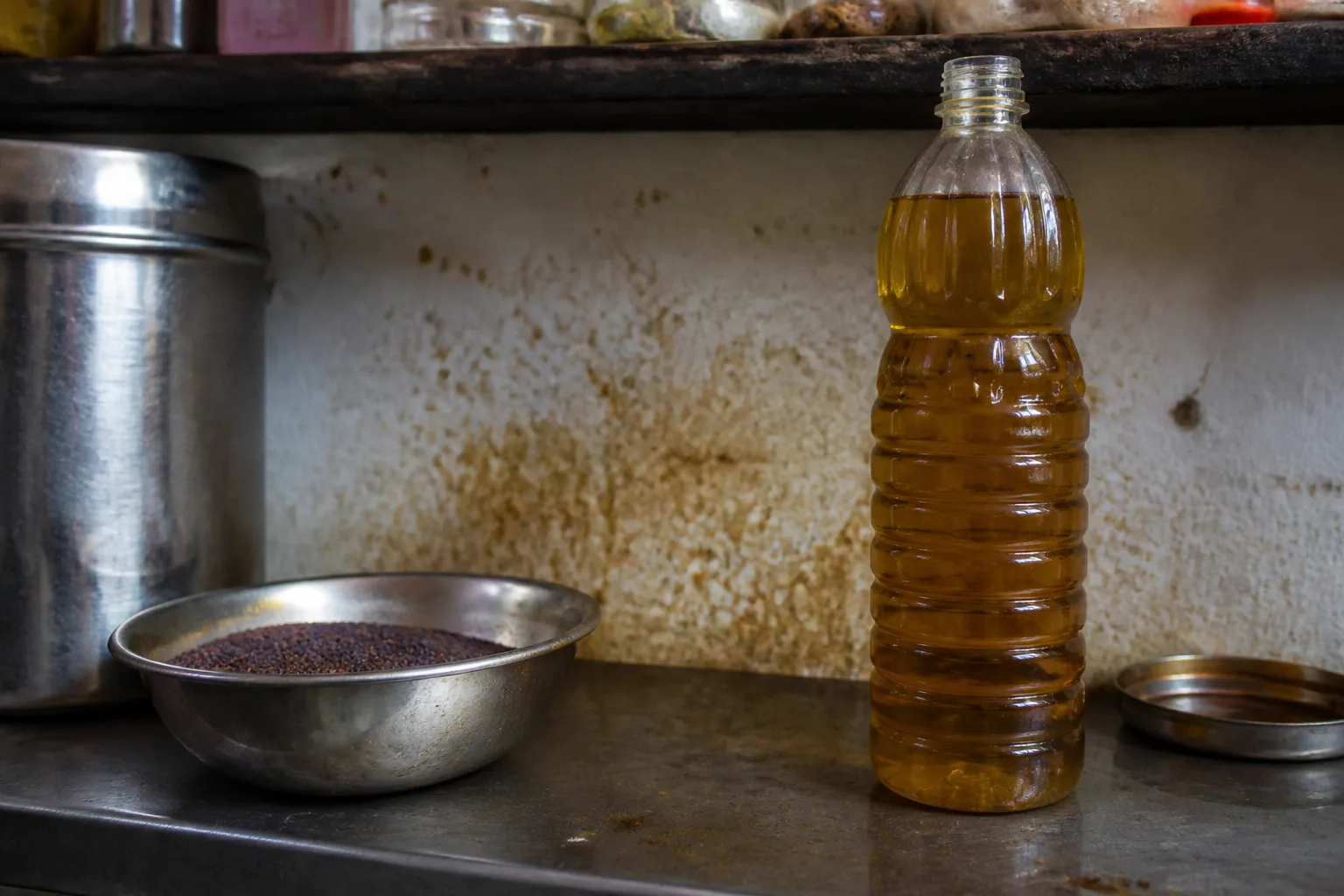
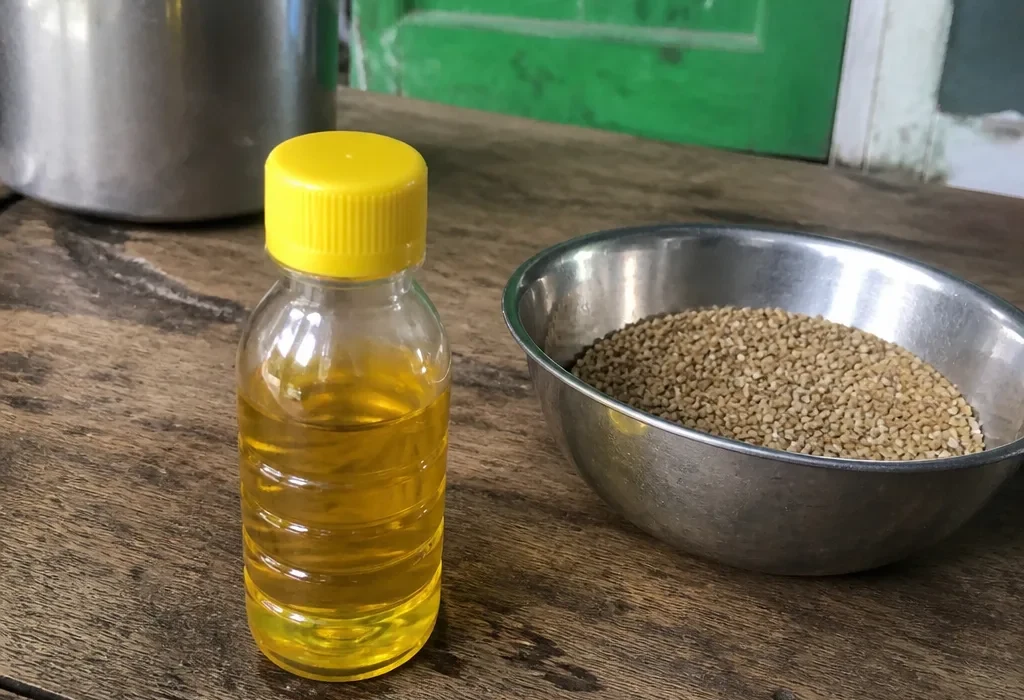
Cold-pressed or kachi ghani. The seeds are crushed in a press without added solvents, at a modest temperature. The name comes from the traditional wooden or iron ghani. Our own overview is in the kacchi ghani mustard oil guide.
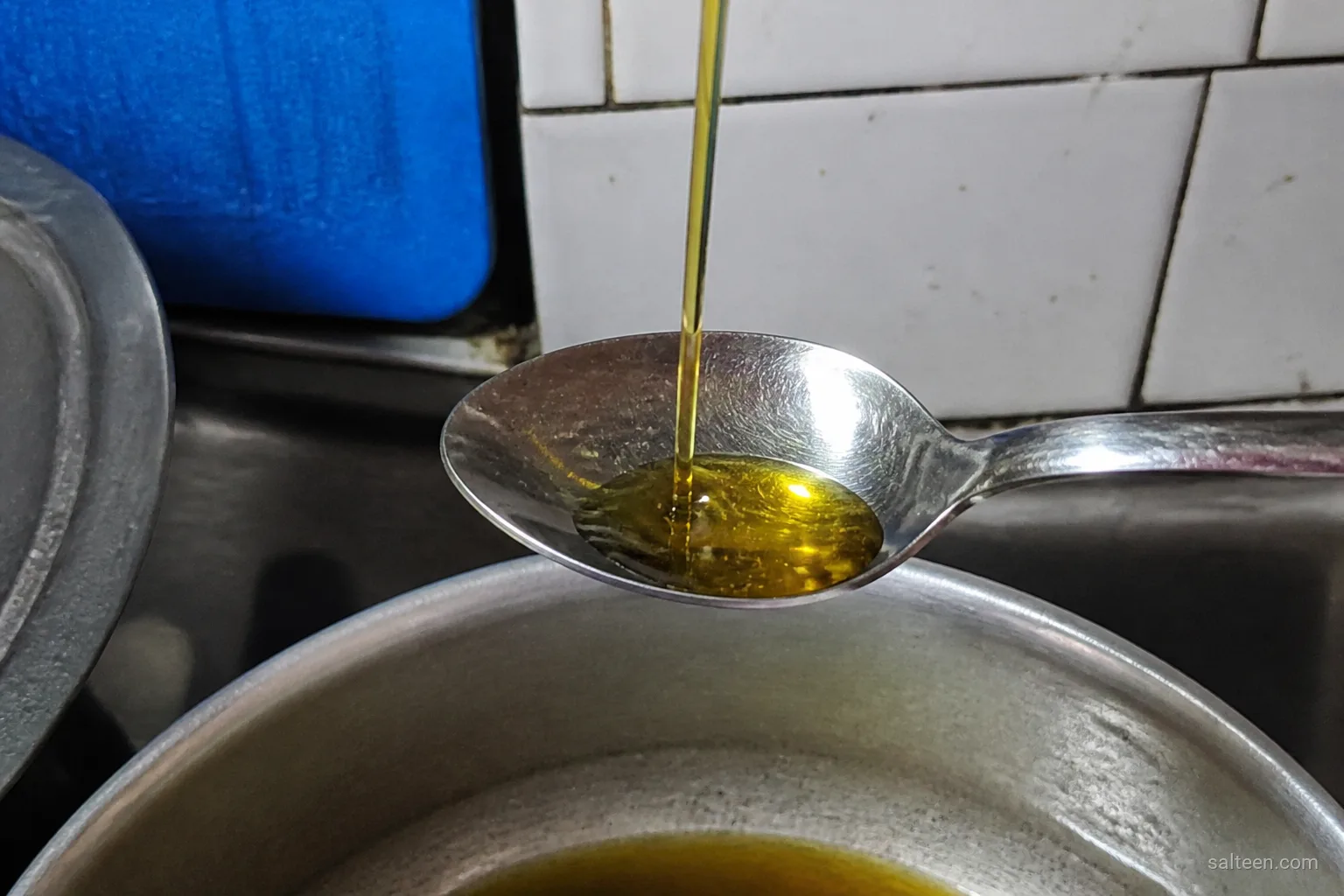
Refined. A retailer’s explainer says refined oils go through further steps after extraction, including deodorising at high temperature, which removes strong smells. This is a seller’s description, and the exact steps vary by producer and are set out on labels and in standards.
A caution on the word “cold-pressed”: a food writer notes that some seeds are heated gently before pressing to raise the yield. The term is not always applied the same way, so it is worth reading how a producer defines it.
Taste and aroma
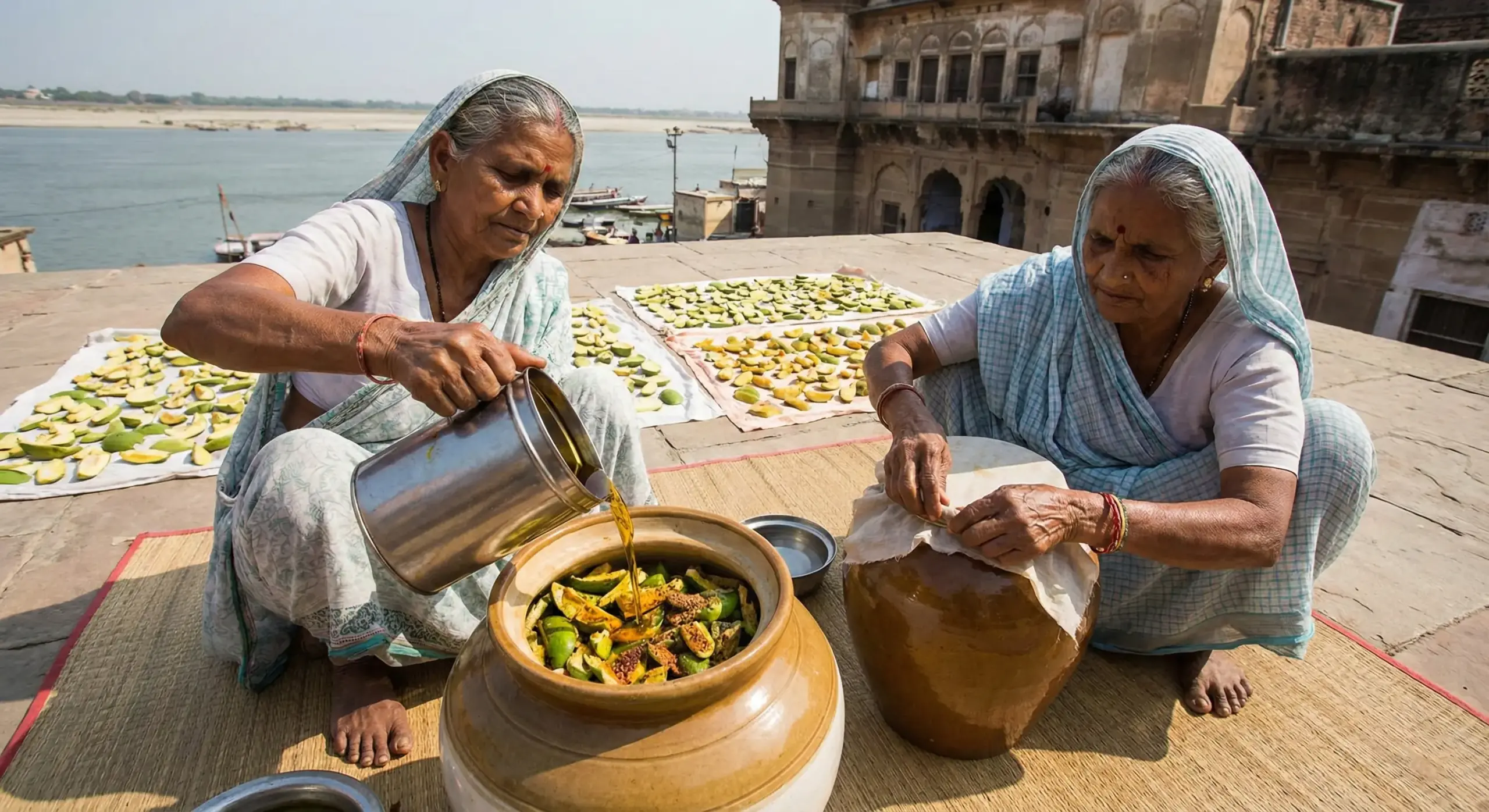
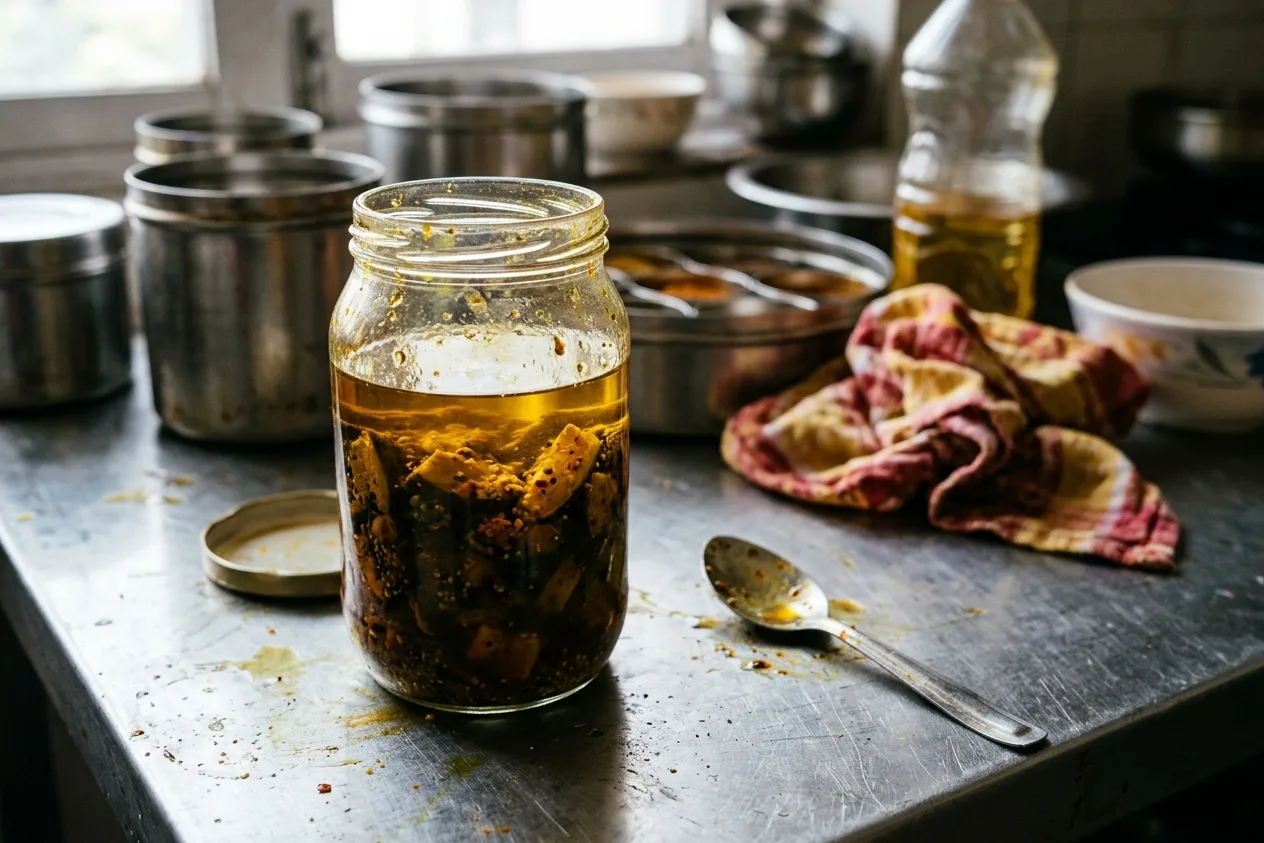
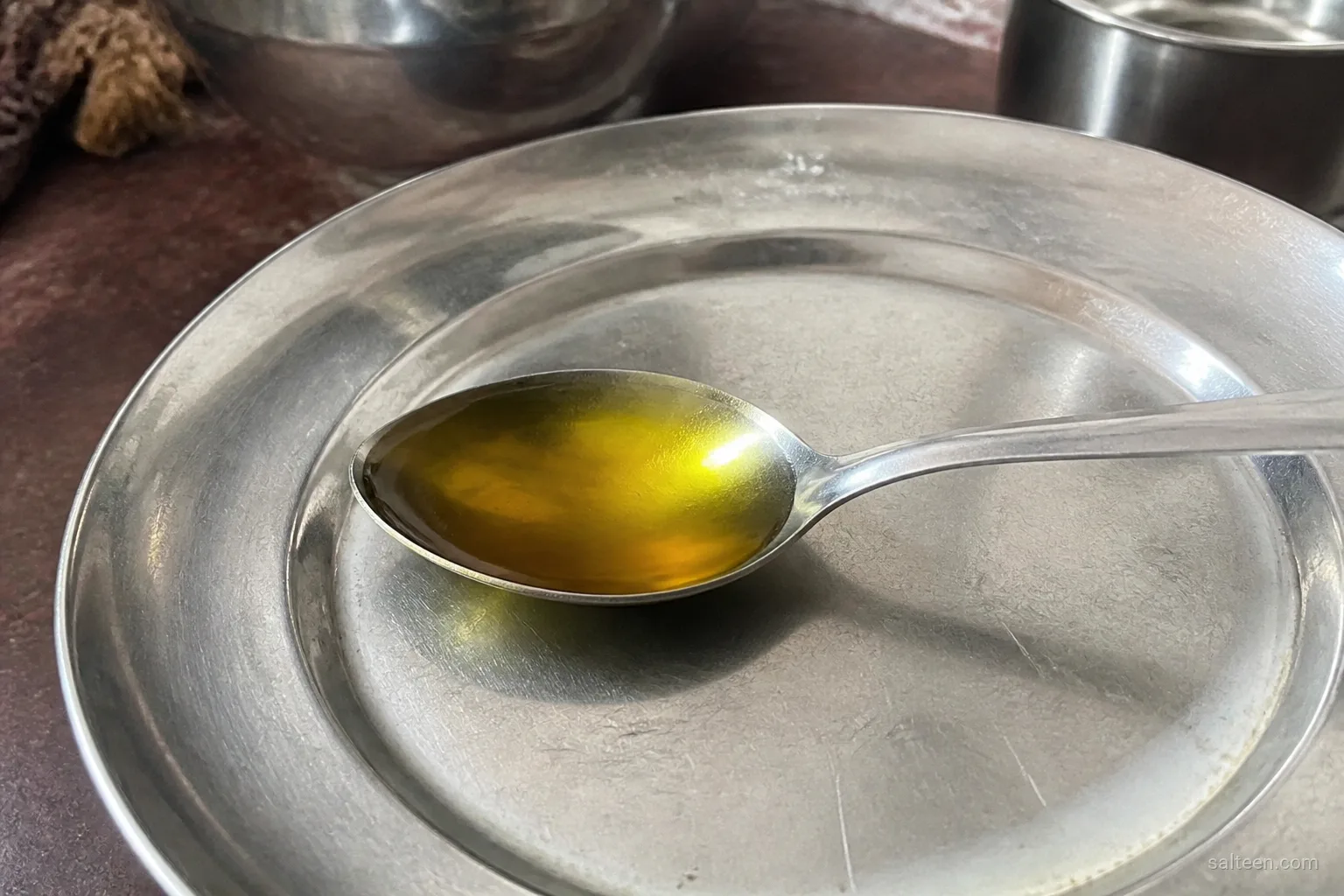
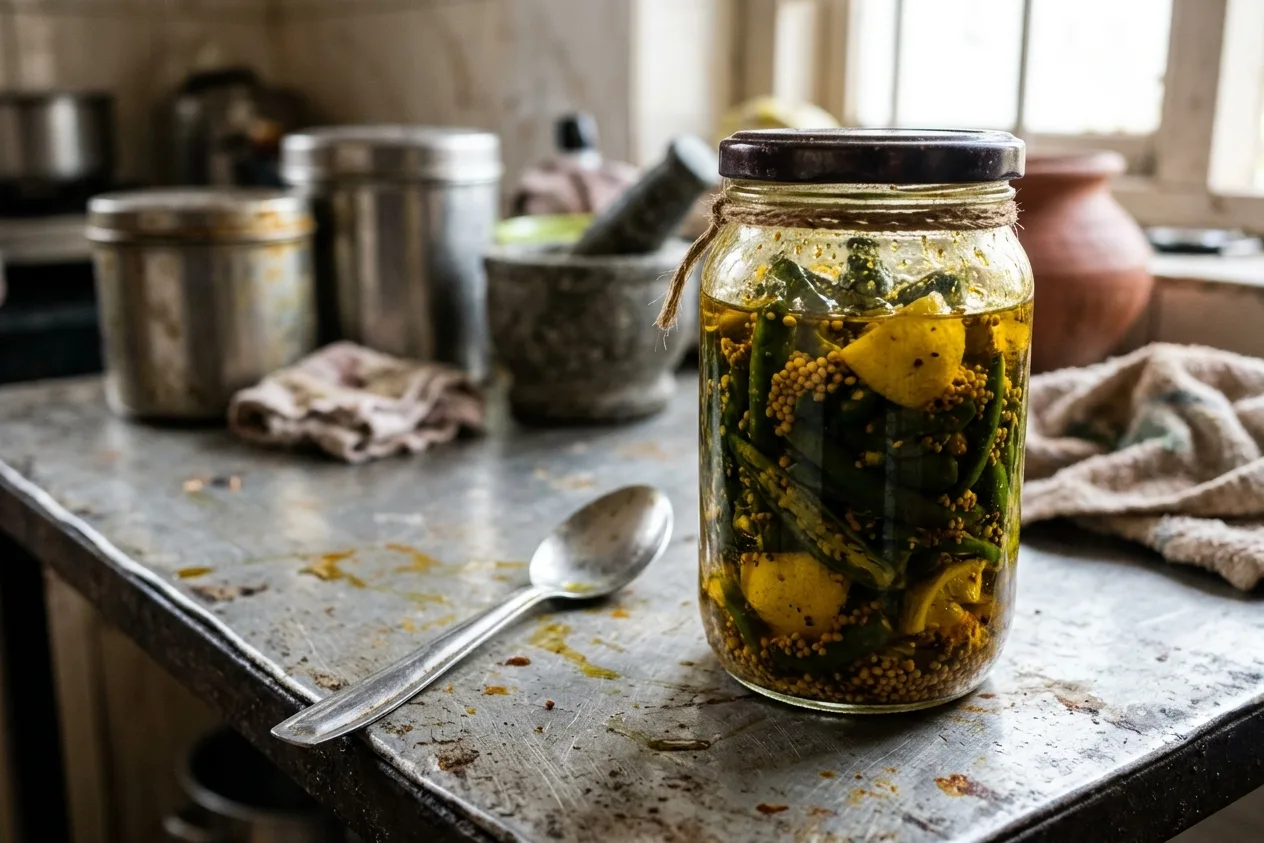
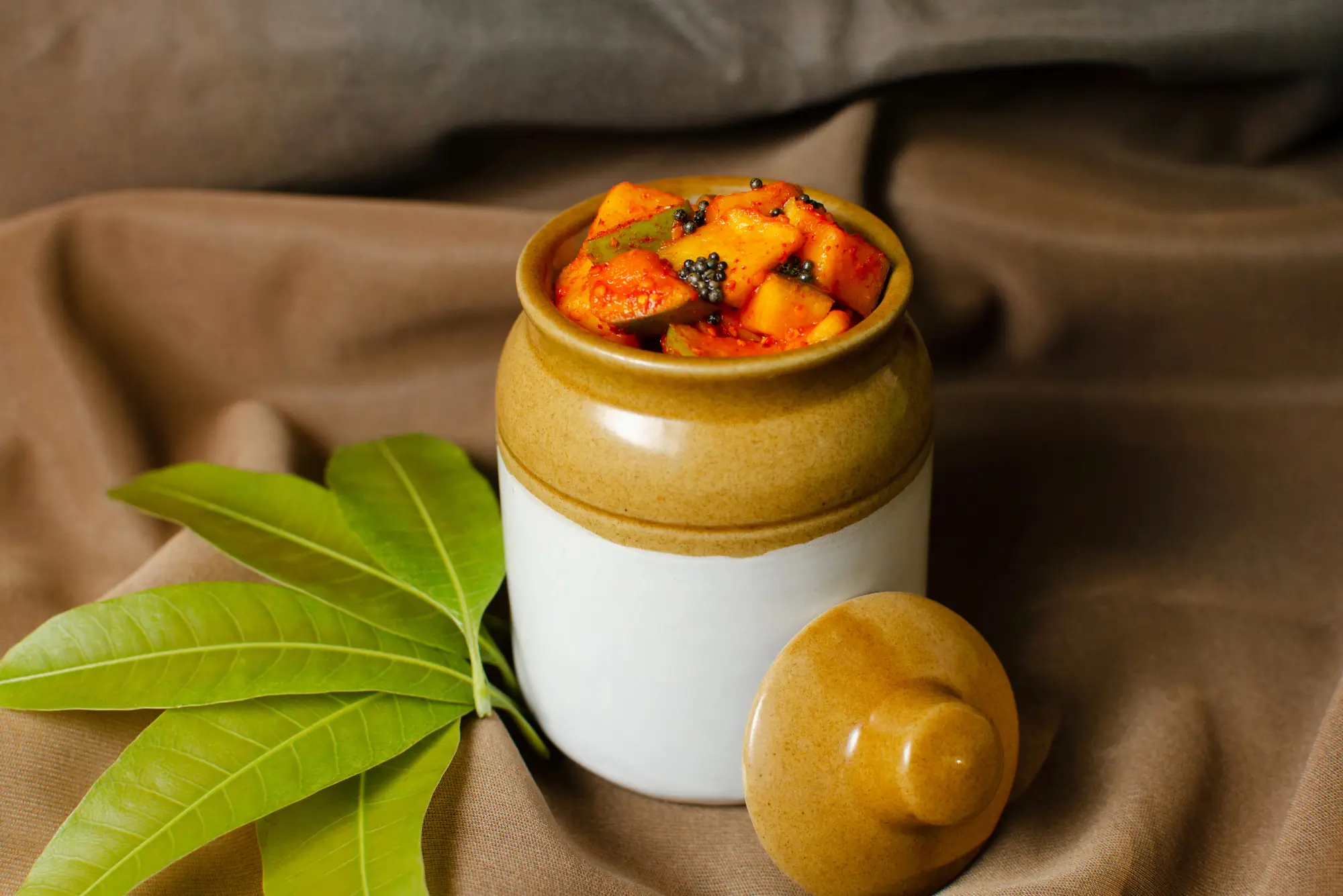
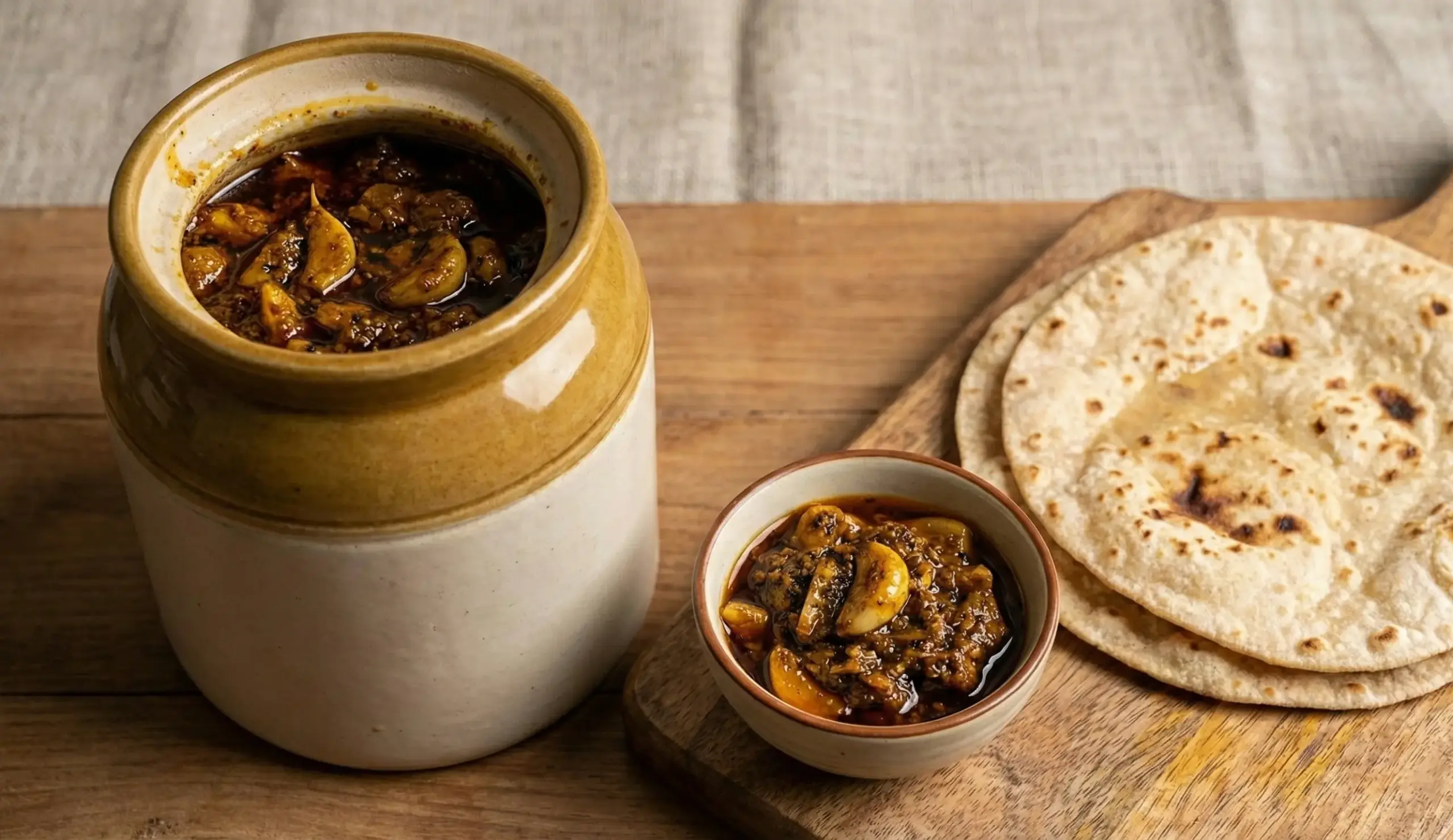
Kachi ghani mustard oil is bold and pungent. A mustard oil producer describes it as strong in taste, which is why it is used for pickling, and describes refined oil as milder. The pungency is the point in achar, where the oil carries the spices and keeps the surface of the pickle covered. Our post on heating mustard oil for achar explains the step cooks take to soften that sharpness.
What the label can and cannot tell you
A Down To Earth report says that most mustard varieties grown in India are high in erucic acid, and that the variety and the erucic acid content rarely appear on labels. The same report notes that labels say little about the seed. So the front of a bottle tells you the process in a word or two, and not much more.
[CHECK BEFORE PUBLISHING: add the current FSSAI standard for mustard oil and its labelling rules, cited from fssai.gov.in or a government source.]
Which to use for what
Kitchen guide
- Achar and pickling: kachi ghani, for the pungent flavour and the oil cover.
- Tadka and curries in eastern India: kachi ghani, heated until it smokes lightly.
- Everyday frying where a mild taste is wanted: refined.
- Always: read the label for the process and the pack date.
Frequently asked questions
What is the difference between cold-pressed and refined mustard oil?
Cold-pressed (kachi ghani) is pressed at low temperature and is pungent. Refined oil is processed further and is milder.
How does the press change the oil?
The press method decides how much of the seed’s aroma stays. Cold pressing keeps more of it.
Which mustard oil is best for pickle?
Cooks usually choose kachi ghani for its strength.
Is “cold-pressed” always the same?
Not always. Producers use the term differently, so check how it is defined.
Sources used for this post: Consumer Voice, study of kachi ghani mustard oil brands (consumeraffairs.nic.in); Down To Earth, report on mustard oil labels and erucic acid; Tasting Table, notes on pressing; Organic Mandya and Gulab Oils, retailer explanations (used for process and taste descriptions only). FSSAI source to be added.