Blog
Why Homemade-Style Achar Costs More: Where the Money Goes in a Jar

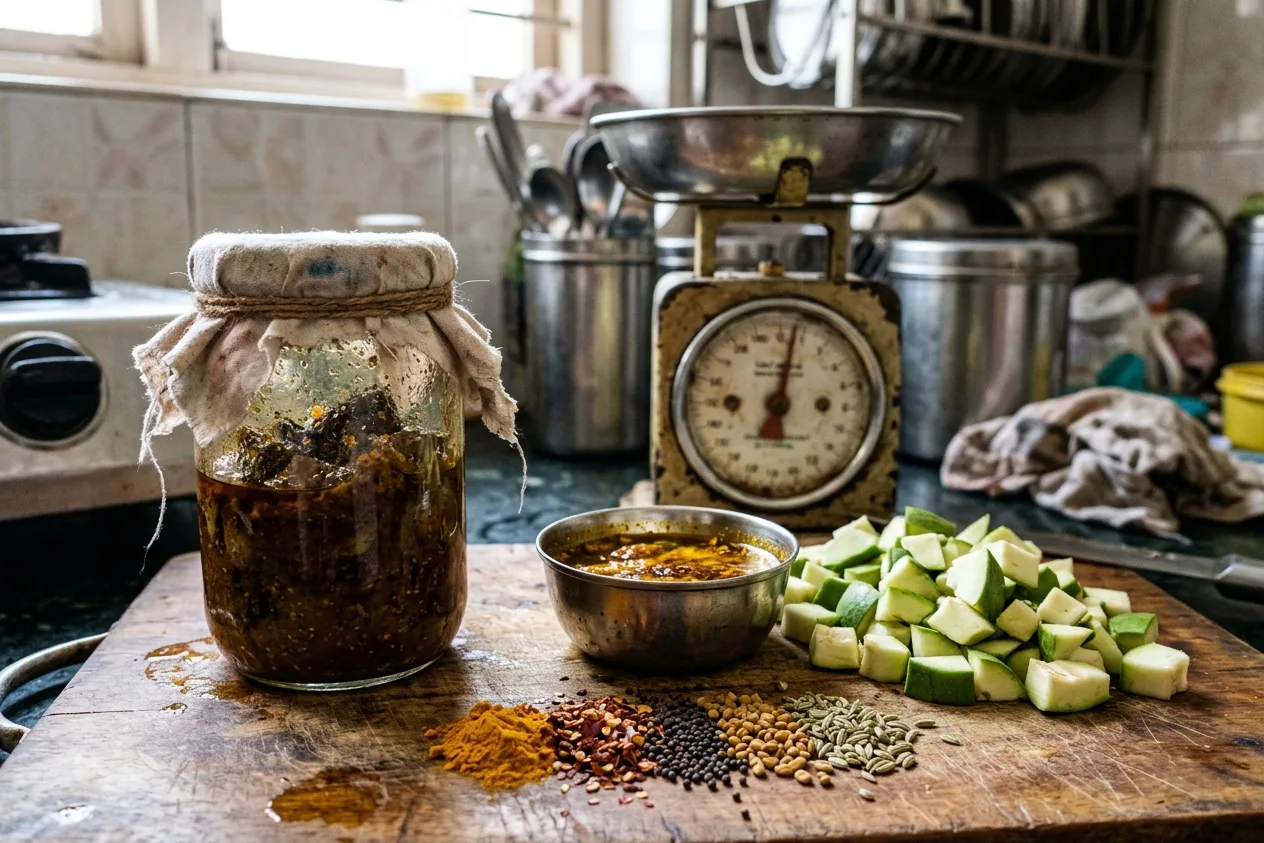
FarmDidi, a pickle maker, puts the argument briefly: a good pickle should cost a little more because quality ingredients, traditional methods and handcrafted care are not cheap. That is a seller’s view. This post lists what actually goes into a jar so a buyer can judge the price for themselves.
The short answer
In short
A jar of traditional achar costs more because of seasonal raw material with trim loss, good oil, hand ground spices, days of sun curing, glass and careful packing, licensing and labels, and shipping, breakage and returns. We quote no margins, and we ask buyers to compare ingredients and method before price.
1. Raw material and its loss
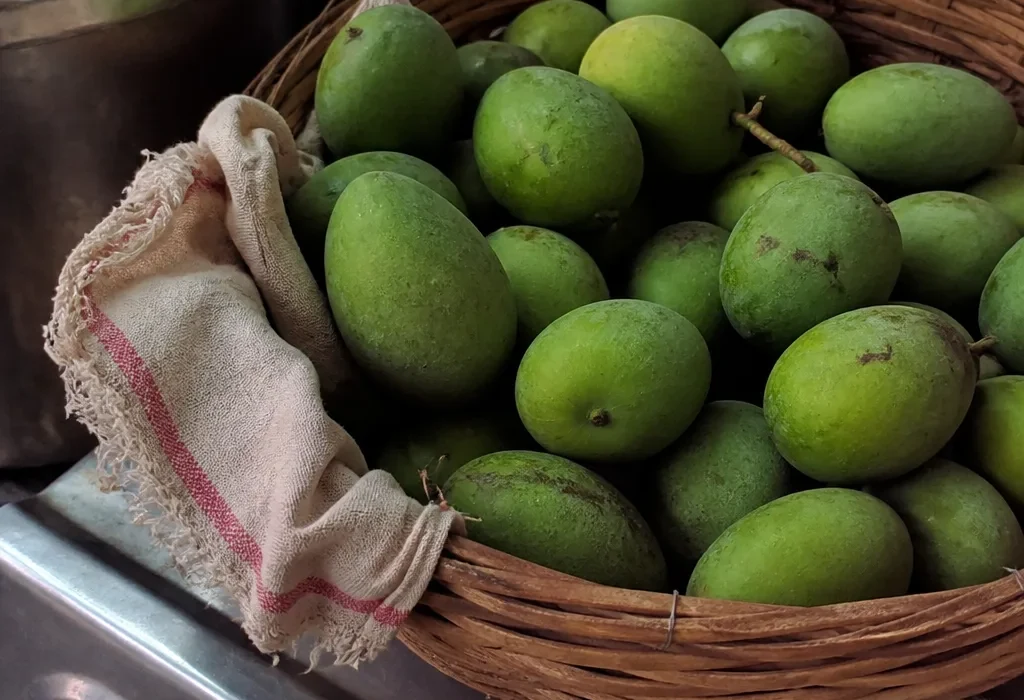
Mango, lemon and chilli are bought in season and in bulk, and part of each is lost. A cost guide on pickled vegetables points out that trim loss and shrinkage reduce the usable weight, so the cost per usable kilo is higher than the cost per kilo bought. Our raw mango lots also arrive in varying states. See raw mango that ripened in transit.
2. Oil
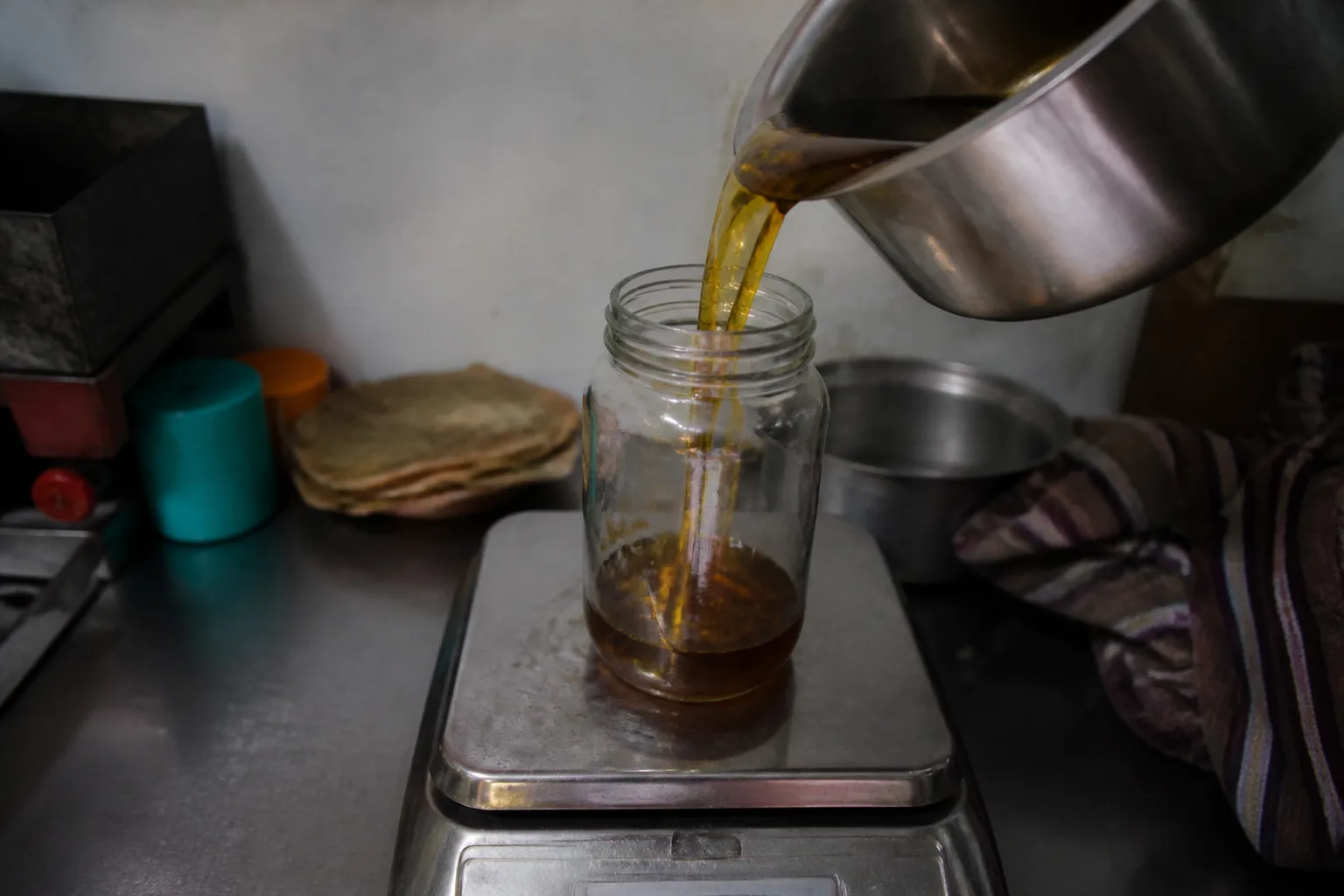
MasterClass advises getting quality mustard oil, and an inch or two of it sits above the fruit in a jar. A cheap oil changes the taste. See reading a mustard oil label and kacchi ghani mustard oil explained.
3. Spices
Jhaji Store, a Bihar pickle maker, says its spices are hand ground and its pickles are not cooked on gas. Ours are described in achar masala spices.
4. Time and sun
Slurrp says most Indian pickles need seven to ten days of sunlight for flavours to mix. Jhaji says sun drying takes days and not hours. Labour and space are used for that time, and the batch cannot be rushed. See sun curing.
5. Jar and packing
Glass is the safer jar for a pickle kept for months, as in the best jar for achar, and it breaks. Our post on glass jars, packing and breakage covers what we added.
6. Licence, labels and testing
Registration or a licence, printed labels and checks have a cost. See what the FSSAI licence means and batch checks before sealing.
7. Shipping, returns and marketplace fees
A parcel that returns is paid for twice, and some come back damaged. See COD orders nobody picks up, selling on Amazon from a small city and what happens to an RTO parcel.
What a lower price can mean
It can mean a larger scale, a different oil, a shorter cure or a longer ingredient list. It does not always mean a worse pickle. Read the label. Slurrp’s checklist says the ingredients should read like something you would cook at home, and our guide to buying achar online has eight checks. Compare jars by the price for a given weight, as the Eat Healthy 365 price analysis advises, and not by the jar.
Frequently asked questions
Why is traditional pickle expensive?
Seasonal produce with trim loss, good oil, hand ground spices, days of sun curing, glass jars and careful shipping all add cost.
What goes into the price of a jar?
Raw material, oil, spices, labour and time, jar and packing, licence and labels, and shipping with returns.
Is a higher price always better?
No. Compare ingredients, oil and method.
Sources used for this post: FarmDidi, how to choose the best pickle to buy online; MasterClass, all about achaar; Slurrp, pickling tips and 5 safety checks; Jhaji Store (seller), LPG and pickle prices; Eat Healthy 365, price analysis of a branded pickle; Kitchen Numbers, margin on pickled vegetables. The cost split is Salteen’s own and is pending.