Blog
Glass, Ceramic or Plastic: Which Jar Is Best for Achar

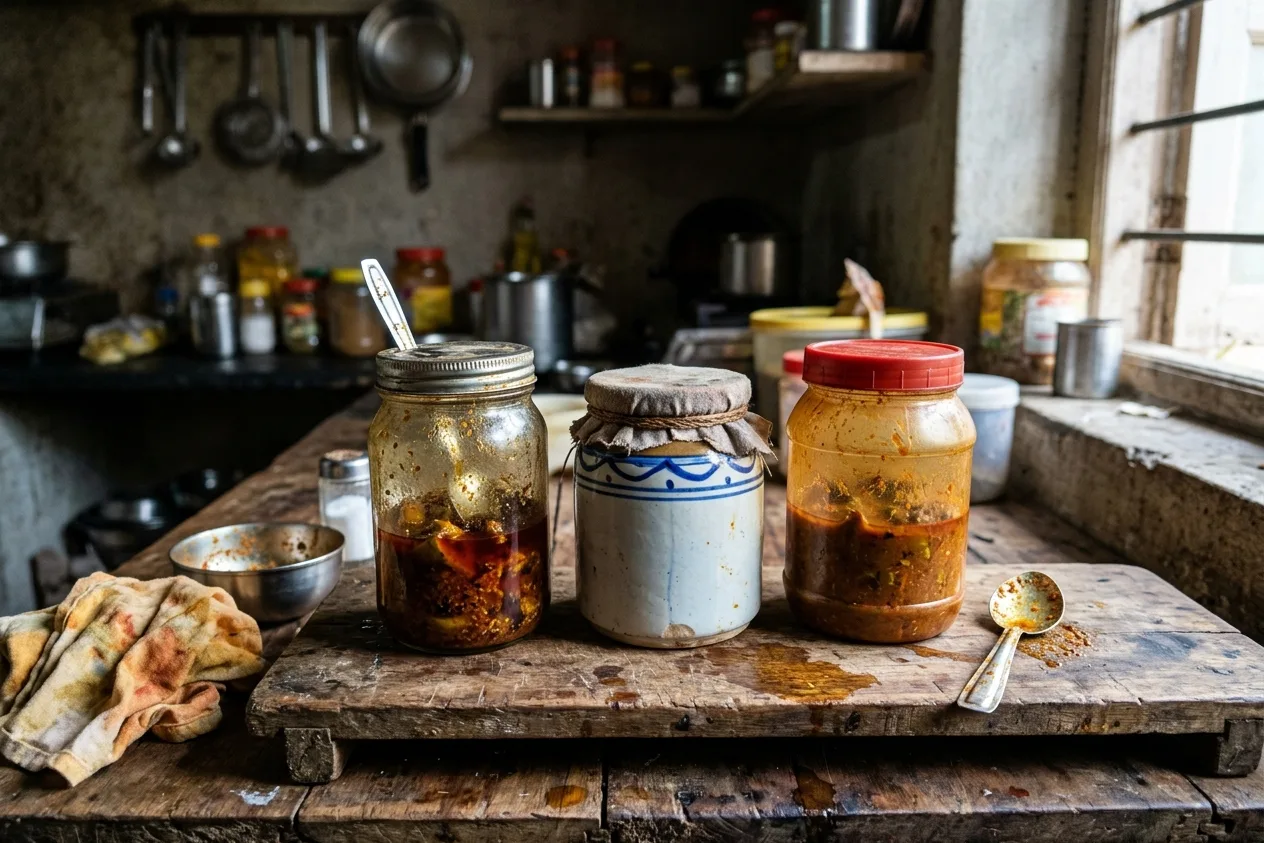
InstaCuppa, a seller of storage jars, answers the question in four words: glass is the best option, then a glazed ceramic barni from a maker you trust. The Leaf Bud adds a line that explains the barni: in traditional Indian cooking, untreated metal containers have never been used to store acidic foods such as tamarind and pickle.
The short answer
In short
Glass is the most common recommendation for achar, and glazed ceramic (barni) is the traditional choice. Stainless steel is called fine for a few weeks. Plastic is where sources disagree. Avoid copper, brass and iron.
The options
| Jar | What the sources say | Caution |
|---|---|---|
| Glass | InstaCuppa: inert, visible, easy to clean, holds no odour. Slurrp: pick a wide mouth jar of glass or ceramic | Heavy, and it breaks |
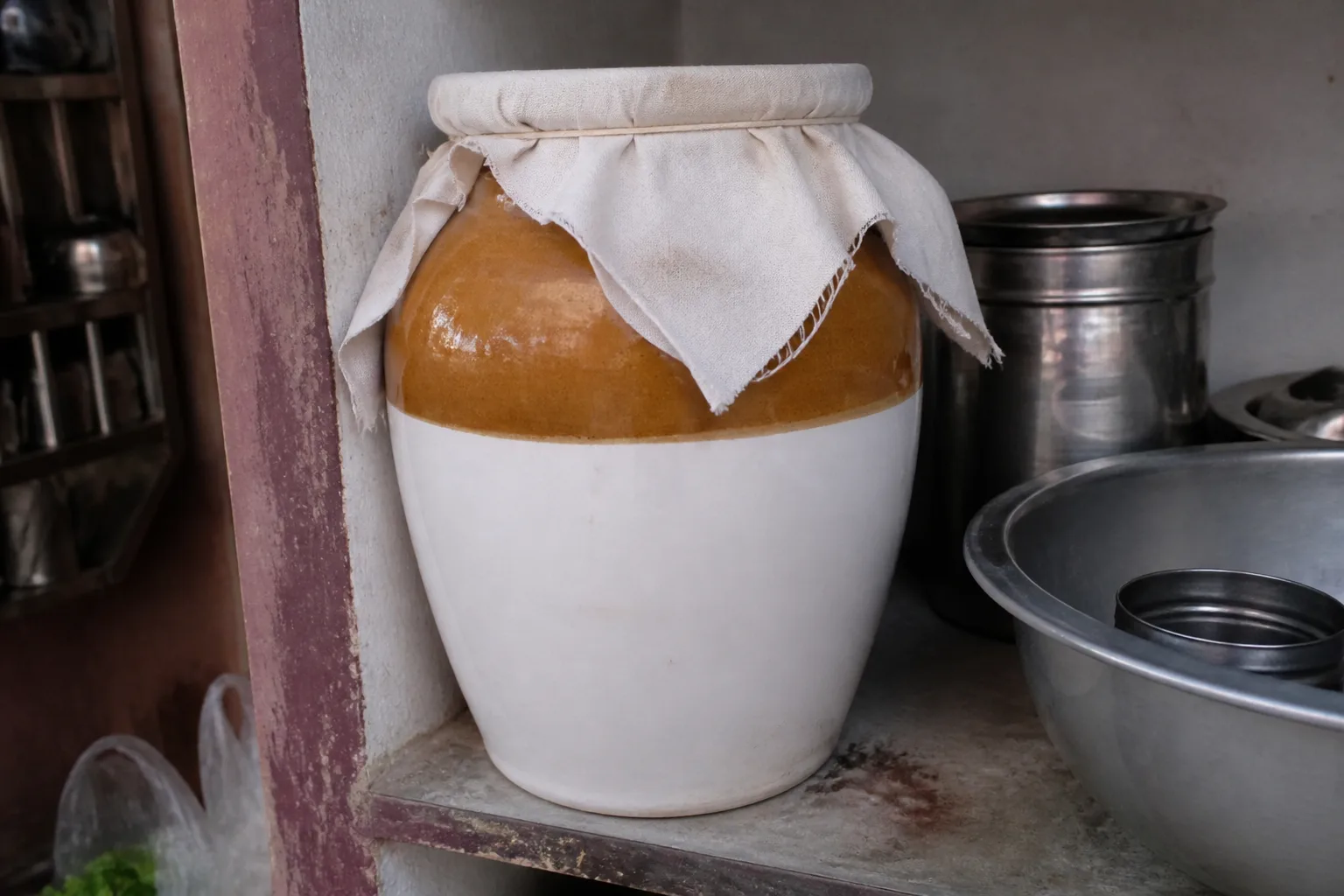
| Ceramic barni | The Leaf Bud: ceramic does not react with the pickle, adding and taking nothing from its flavour | Choose a glazed one from a maker you trust, as InstaCuppa says |
| Stainless steel | InstaCuppa: fine for weeks, not years, because salt can slowly pit steel. Misen: acidic, high salt foods can pit stainless steel and leach metals over extended contact | You cannot see the oil level |
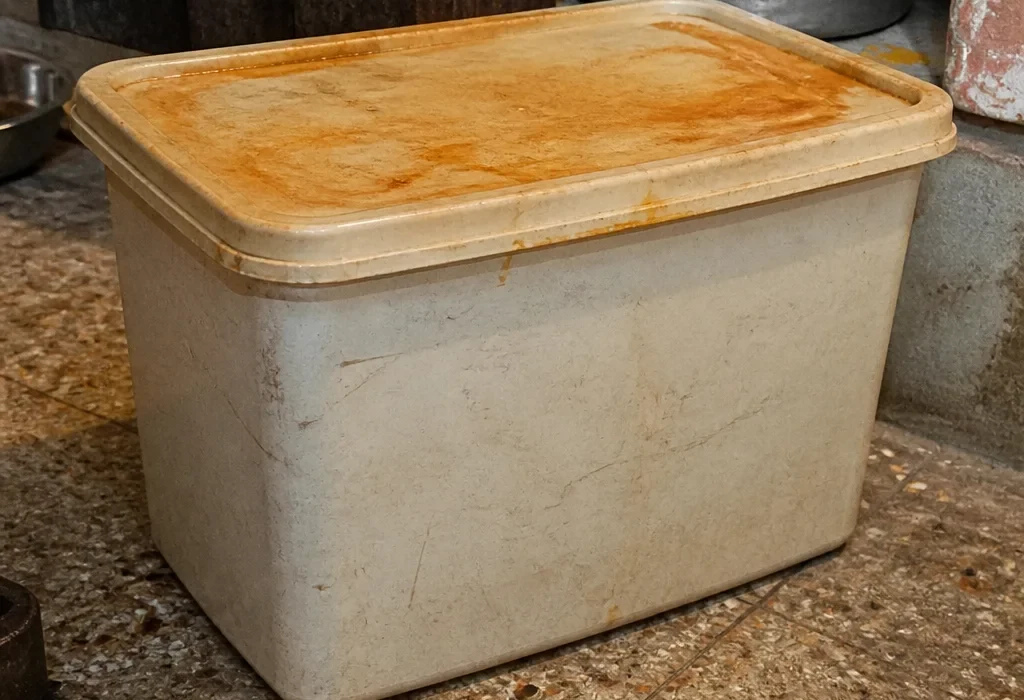
| Plastic | Disputed, see below | Can absorb smell and warp, per InstaCuppa |
| Copper, brass, iron | InstaCuppa and an agriculture training site: highly reactive with acid and salt | Do not use |
Where the sources disagree on plastic
- Against: Mishry says storing pickle in plastic jars is the worst thing you can do, and that glass, ceramic or stoneware are needed. A Byju’s answer says high salt and acid will react with plastic.
- For: FarmDidi, a pickle seller, says plastic containers are perfectly fine for storing pickle, offering convenience, durability and protection from spoilage, though chemical leaching is the most common concern. A different Byju’s answer says plastics do not react with the acid in pickle, so plastic or glass is safe.
- Middle: InstaCuppa says to keep plastic for short term use.
We cannot settle this from these sources, and a school Q&A page is not an authority. Look for a food grade mark on any plastic jar and use a regulator’s guidance, such as FSSAI’s rules on food contact packaging.
Why a wide mouth matters
A wide mouth lets you press pieces back under the oil and reach the bottom with a dry spoon. See the oil layer on achar.
Glass and its one problem
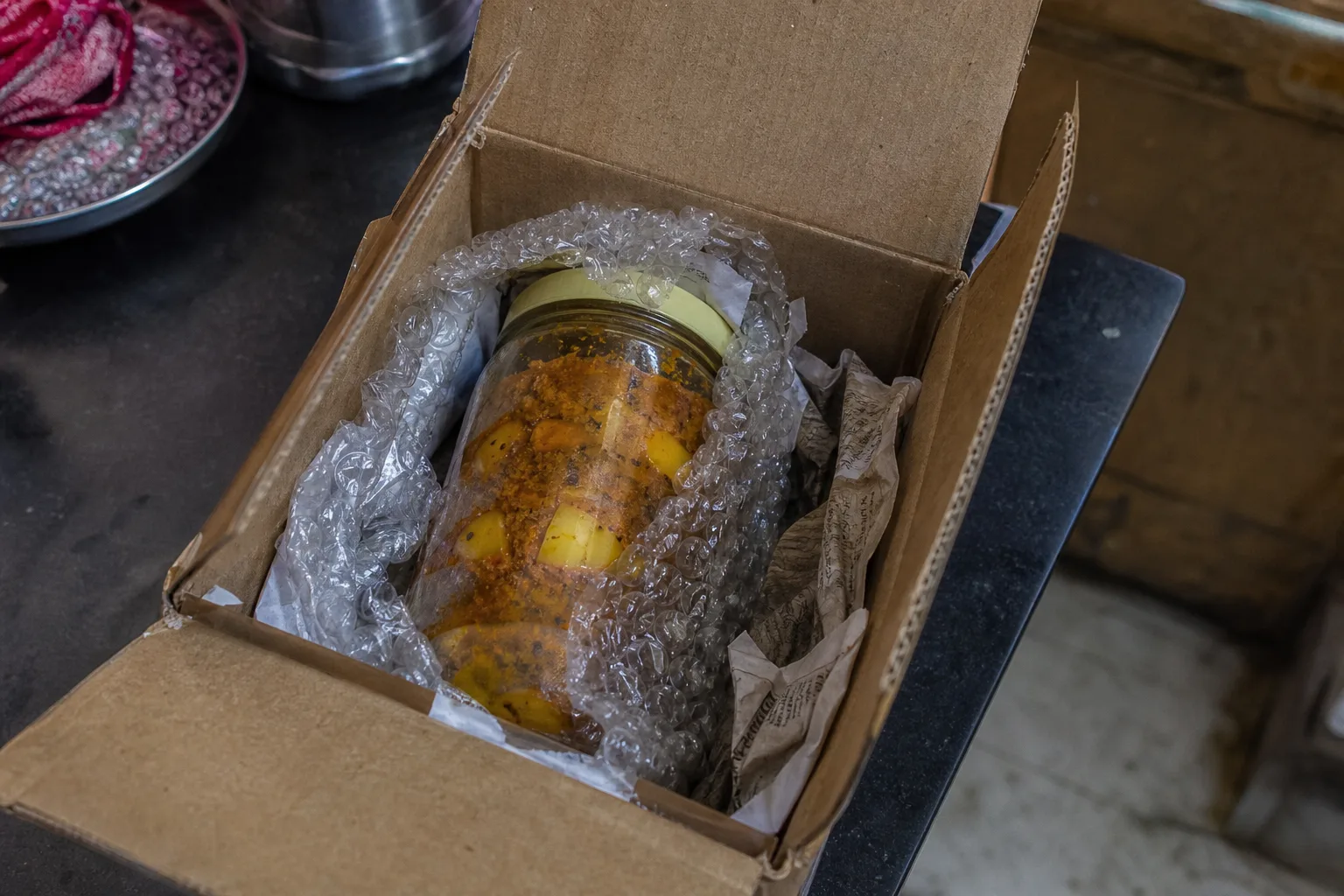
Glass breaks in the post, as our packing story explains. For a jar you keep for months, the sources still point to it.
What Salteen uses
For storage after opening, see how long achar lasts and the sun curing guide.
Frequently asked questions
Which container is best for pickle?
Glass or a glazed ceramic barni are the usual recommendations.
Can pickle be stored in plastic?
Sources disagree. Some call it fine, some call it the worst choice. Short term use is the common middle view.
Can pickle be stored in steel?
For a few weeks, according to InstaCuppa. For months, glass is advised.
Sources used for this post: InstaCuppa, how to store pickles (seller blog); The Leaf Bud, why pickle is stored in ceramic jars; Misen, foods to never store in stainless steel; Slurrp, pickle storing tips; Mishry, pickle jars; FarmDidi, plastic containers for pickle; Byju’s, two Q&A pages on pickle containers; Agriculture Institute, choosing containers for pickling.