Blog
Why We Chose Sendha Namak and No Preservatives

FarmDidi, a pickle maker, writes that natural preservatives like salt, oil, spices and condiments are frequently used in pickles, while some types also contain tiny amounts of artificial preservatives such as sulphur dioxide and benzoic acid. The phrase “no preservatives” on a jar of pickle is easy to say and harder to define. This post sets out what preserves a traditional achar, and what Salteen chose.
The short answer
In short
Traditional achar is kept by salt, oil and acid, with low moisture. A pickle can last without added chemical preservatives, if it is made dry and stored well. Salteen uses sendha namak (rock salt).
What does the preserving
The FSS Rules 2006, as FarmDidi describes them, define pickles as prepared from fruits and vegetables or other edible plant material, preserved in salt, acid, sugar or any combination of the three. A journal piece in Issuu adds that pickles usually use no chemical preservative or artificial colour, and that preservation is maintained by common salt, spices and tempered vegetable oil.
A paper in the PubMed Central archive on fermented pickles says that, owing to low pH and high acid content, food items can be biopreserved for more than two years without refrigeration. A pickle maker quoted by Dawn says mustard seeds and oil were enough to preserve the condiment for more than a year. These are makers’ claims and a literature review, and not guarantees for any one jar.
Salt is described by Slurrp as one of the oldest and essential preservatives in Indian pickling. Our post on how long achar lasts explains why dryness and oil cover matter as much as the ingredients.
What “no preservatives” means
It is a claim about added chemical preservatives. A seller of traditional pickles, House of Indya, notes that without preservatives pickles may not last as long as commercial ones, but stay good for months if stored properly. Organic Mandya, a retailer, lists sodium benzoate (E211) as a red flag to look for on commercial pickles. The claim says nothing about shelf life, and no sourced figure applies to Salteen’s jars.
Sendha namak
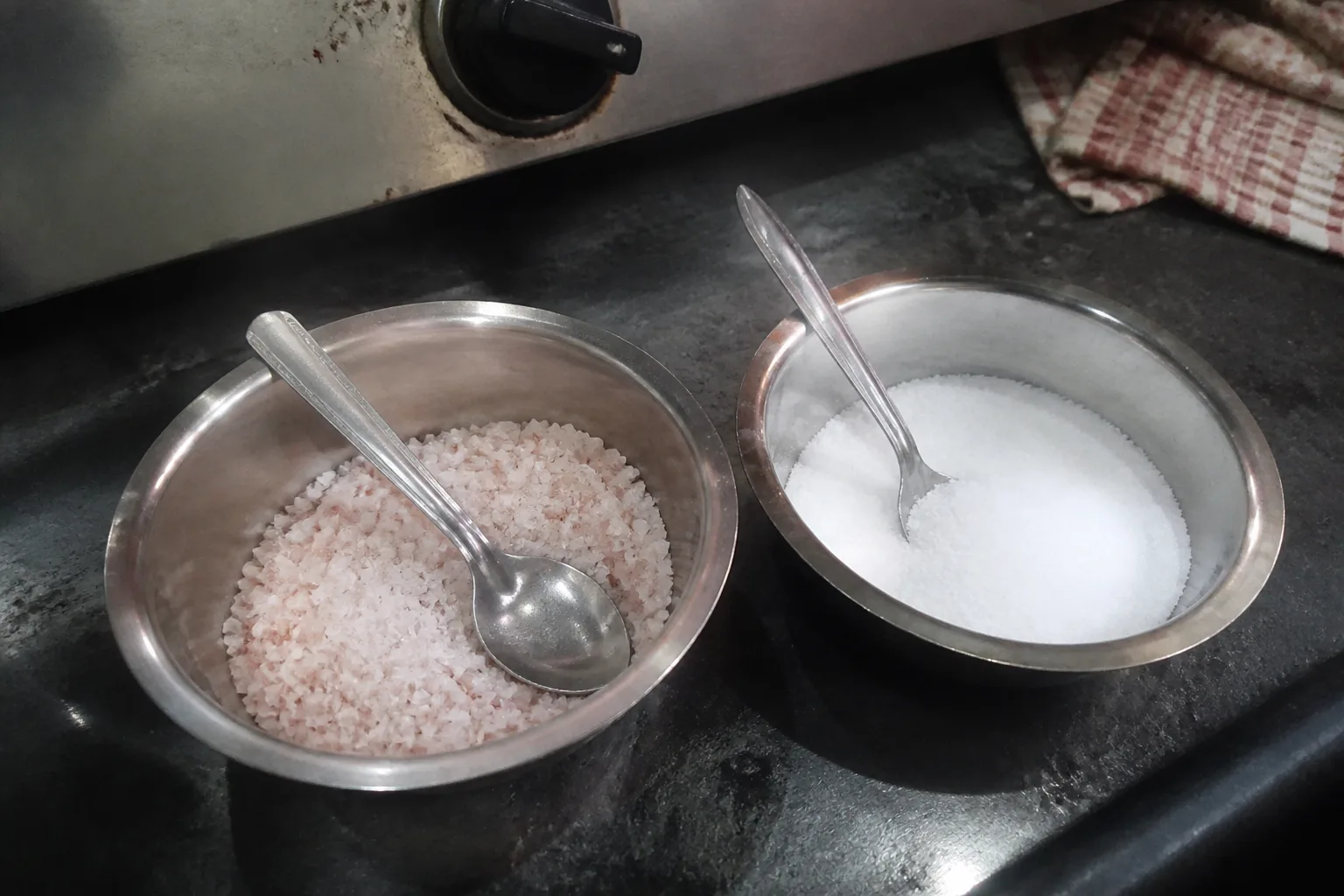
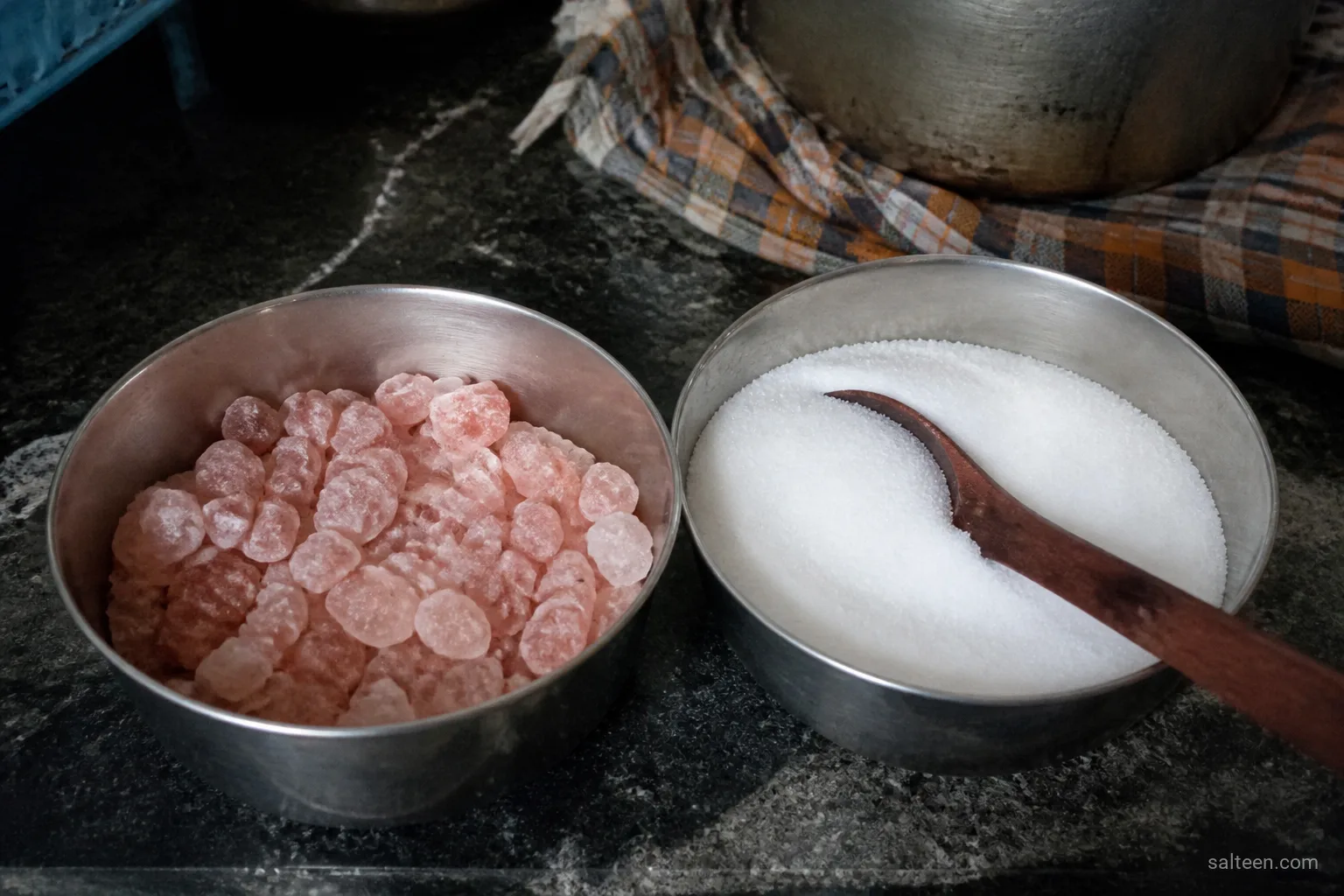
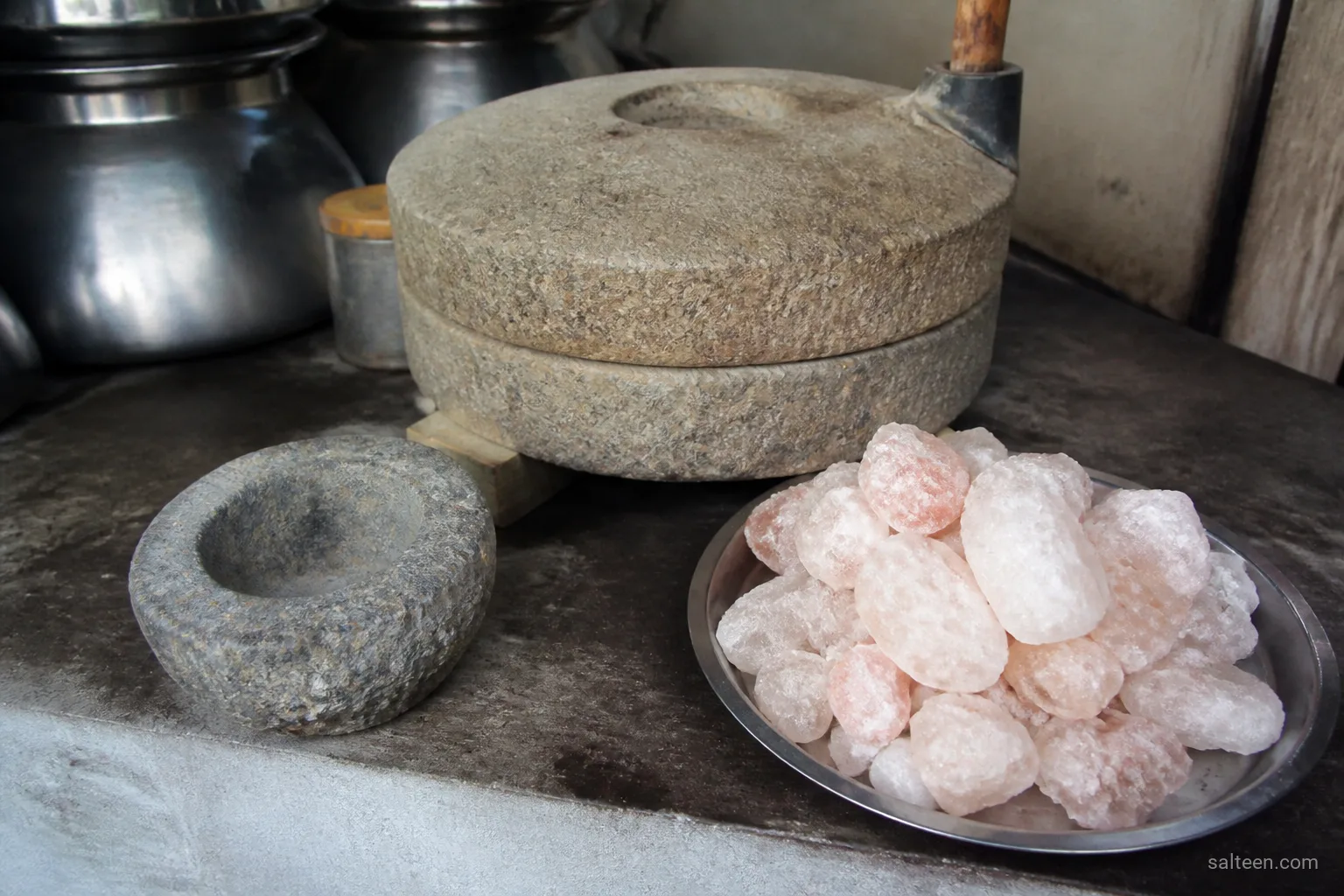
Sendha namak is rock salt. Organic Mandya lists rock salt or sea salt in the role of osmotic preservation and flavour in a mango pickle recipe, and Aahaaram’s sattu recipe uses sendha namak as a flavouring.
What Salteen does
[CHECK BEFORE PUBLISHING: compare every claim with the label and with FSSAI’s rules on pickles and labelling, and use fssai.gov.in as a source.]
Frequently asked questions
Can pickle last without preservatives?
Traditional pickle relies on salt, oil and acid, and many makers say it keeps for months or longer when made dry and stored well. It depends on the jar.
What preserves traditional achar?
Salt, oil, acid and low moisture, with spices.
What is sendha namak?
Rock salt.
Sources used for this post: FarmDidi, preservatives in mango pickles; Food and Beverage Business Review (Issuu), pickles; PubMed Central, fermented foods and pickles; Dawn, pickle makers in Karachi; Slurrp, preservatives for homemade pickles; House of Indya, no preservative pickles; Organic Mandya, pickle guides (seller pages). FSSAI source still to be added.