
Blog
Dadi’s Kitchen Habits: Folk Practices Around Achar, Ghee and Jaggery

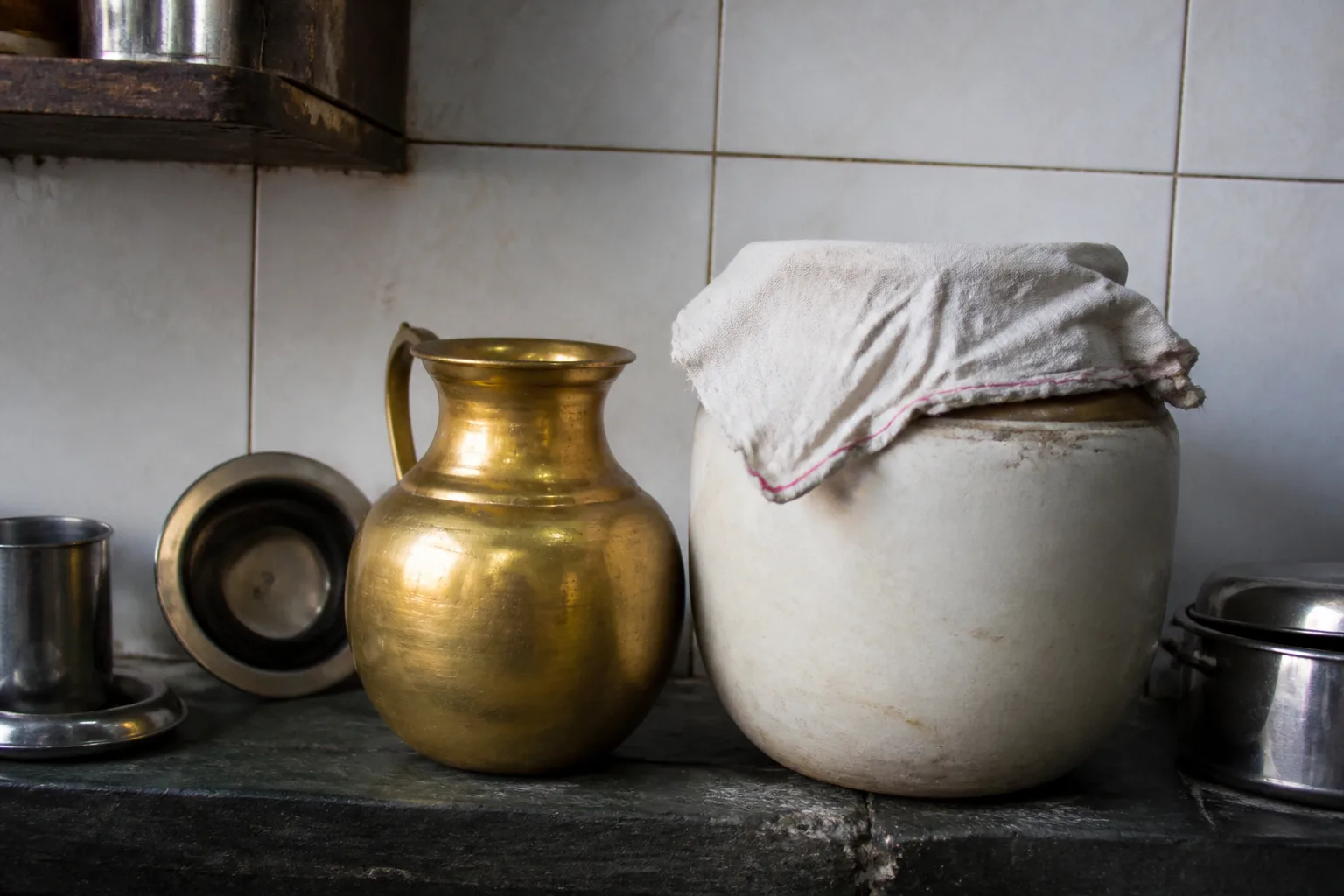
Down To Earth, an Indian environment magazine, reports on a 1986 study in the Journal of the American Dietetic Association that found 90 per cent of the foods tested contained significantly more iron when cooked in iron utensils than in non iron ones. A grandmother who cooked dal in an iron kadhai was doing something a lab later measured. Others of her habits have a reason that is easy to follow, and a few rest on tradition alone.
The short answer
In short
Some dadi ke tareeke have a clear practical reason, such as the dry spoon for pickle. Some have measured evidence about the food, such as iron cookware. Others are tradition, and we say so. None of this is medical advice, and we make no cure claims.
Habit 1: A dry spoon for the pickle jar
Evidence level: strong practical reason. Priya Foods says any moisture on the spoon will allow spoilage, and that a wet spoon spoils a pickle quickly. Eat Healthy 365 calls a clean dry spoon the most crucial rule. The reasoning is simple: water in an oil pickle invites mould. See achar in monsoon.
Habit 2: Drying spices and salt in the sun before pickling
Evidence level: practical reason. Veg Recipes of India’s mango pickle says to keep the spices and salt in sunlight for one to two hours first, an optional step that helps get rid of moisture. See sun curing.
Habit 3: Cooking in an iron kadhai
Evidence level: measured for food iron. Down To Earth reports the 1986 study above. A systematic review in PMC by Sharma and colleagues set out to summarise how cooking in iron pots or ingots affects the iron content of food and blood haemoglobin. Wonderchef, which sells cookware, claims 20 to 80 per cent more iron in acidic dishes. Treat the seller’s number as a claim. We say only that iron cookware can raise the iron in food, and we make no claim about anyone’s health.
Habit 4: Making ghee from butter
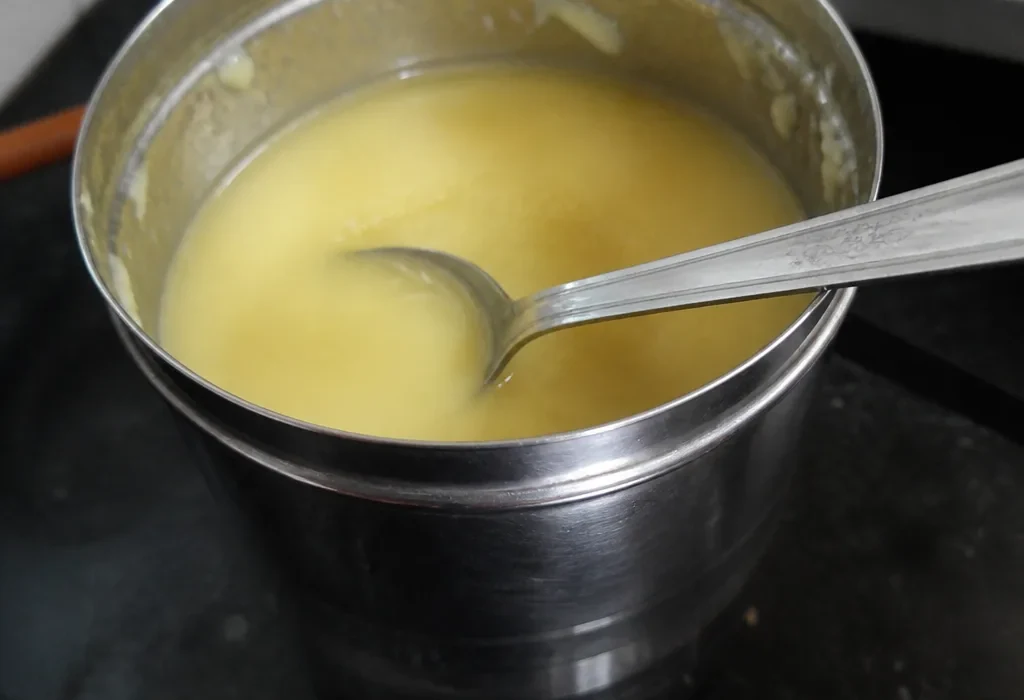
Evidence level: a clear storage reason. The Daily Meal says that in the warm climate of South Asia regular butter quickly goes rancid, and that well made ghee can stay edible for years. Ghee turned a perishable food into a pantry one. See ghee or oil in sweets.
Habit 5: Topping up the oil on the pickle
Evidence level: sources disagree on why. Slurrp says oil itself is not a preservative, while other sources credit the oil layer for blocking air. All agree that you should keep the pieces covered. See the oil layer on achar and achar myths checked.
Habit 6: Jaggery in the pantry
@@IMG:P107-2@@## What we do not claim
Many pages on grandmother food make health claims, such as foods that cure a cold or a cough. We do not repeat these. Where a habit has a food science reason, we name it. Where it rests on custom, we name that too.
In Sanju’s family
For the seasonal side of the same pantry, see the seasonal pantry calendar once it is published.
Frequently asked questions
What kitchen habits did grandmothers follow?
A dry spoon for the pickle, sun drying spices, iron cookware, making ghee, and topping up the oil on pickle.
Which folk practices have evidence behind them?
Some have a clear practical reason, such as moisture control, and iron cookware has been measured for the iron in food. Others are tradition.
Is this medical advice?
No. We describe kitchen practice only.
Sources used for this post: Down To Earth, home cooked food and iron utensils; Sharma et al., systematic review on cooking in iron cookware (PMC8266402); Wonderchef, iron vessels (seller); Priya Foods, pickle storage (seller); Eat Healthy 365, Kerala mango pickle; Veg Recipes of India, mango pickle; The Daily Meal, guide to ghee; Slurrp, tips to make pickles last longer
