Blog
Pakode, Bada and Chaat: The Fried Table of Kashi

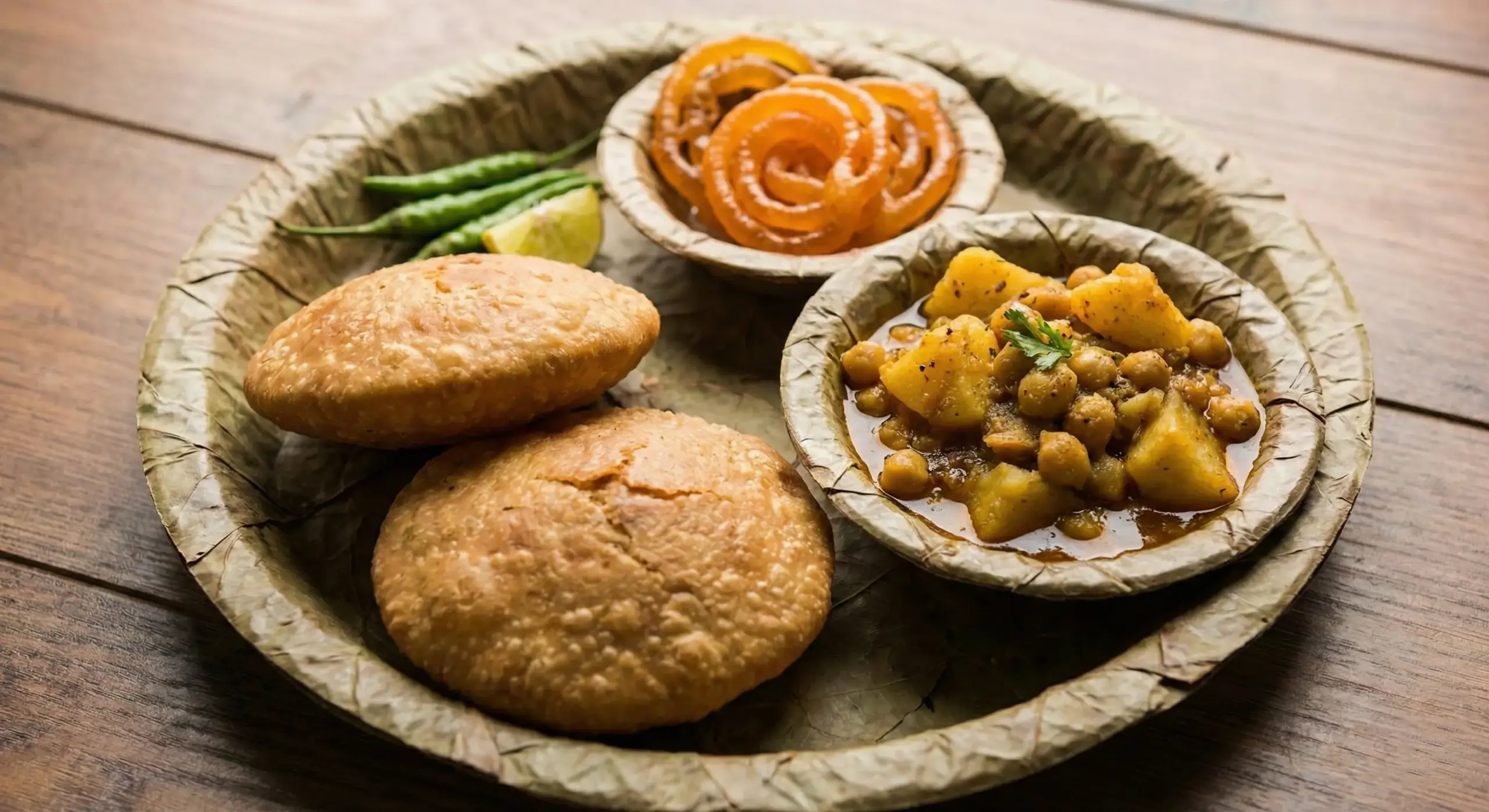
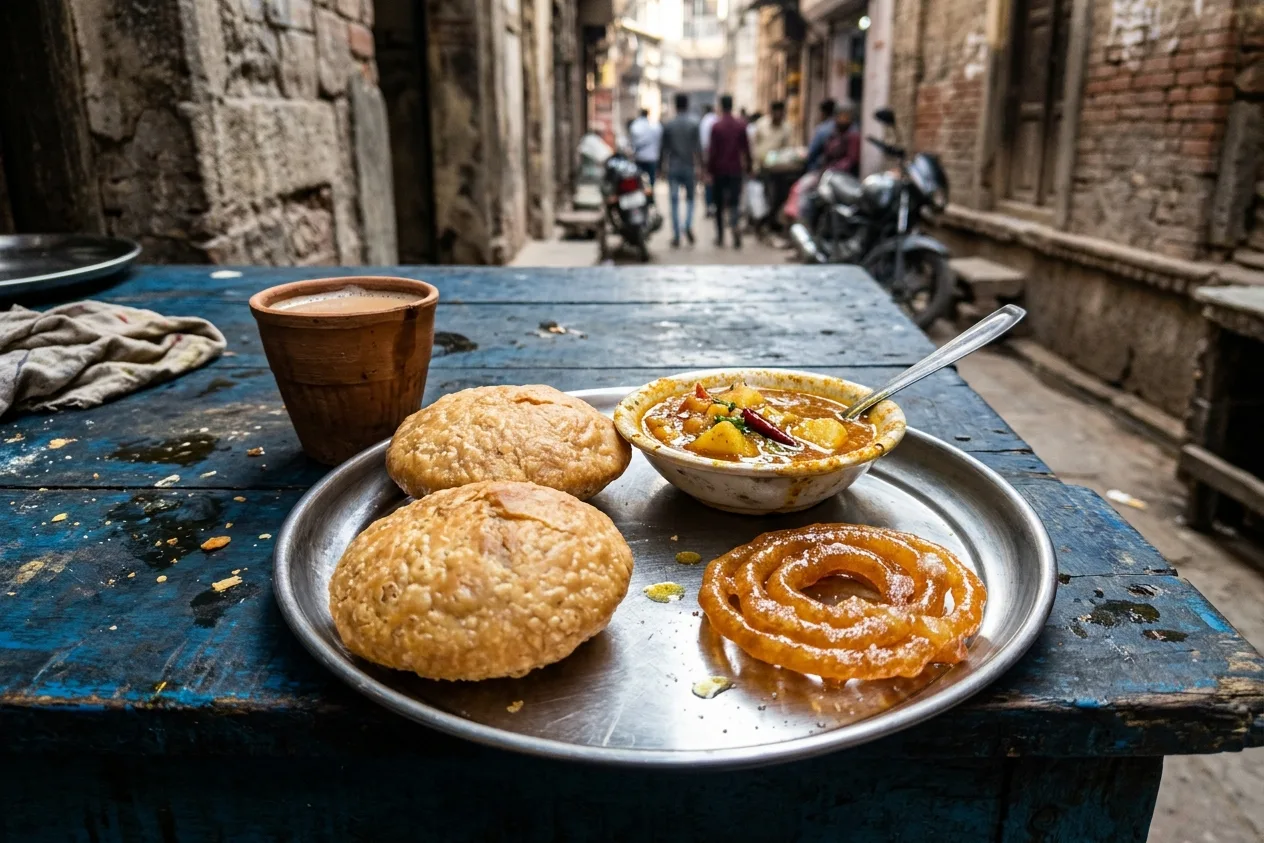
Lonely Planet tells visitors to start the day as Varanasi locals do, with kachori sabzi and jalebi, and describes a kachori as a deep-fried, flaky bread typically filled with spiced lentils or potatoes.
The short answer
In short
Guides name kachori sabzi, dahi bada (chenna dahi vada), aloo tikki, samosa and tamatar chaat as the fried and chaat foods of Varanasi. Tamatar chaat is built on tomato and potato and is topped with sev or namak pare in some shops. Pakode were not described in the sources found, so this post does not describe them.
Kachori sabzi
Outlook Traveller calls kachori sabzi the most popular breakfast in Varanasi and says its origins are thought to lie in Rajasthan, brought by Marwari traders who settled in the city. Treebo says the kachori is stuffed either with dal ki pithi, a lentil masala, or with a spicy potato masala, and is served with spicy aloo ki sabzi. Holidify says there are two kinds, badi and choti kachori. 30 Stades says the sabzi is made without onion and garlic and the plate comes with chutney. See Banaras Ka Swad for the sweet counter next door.
Bada and dahi bada
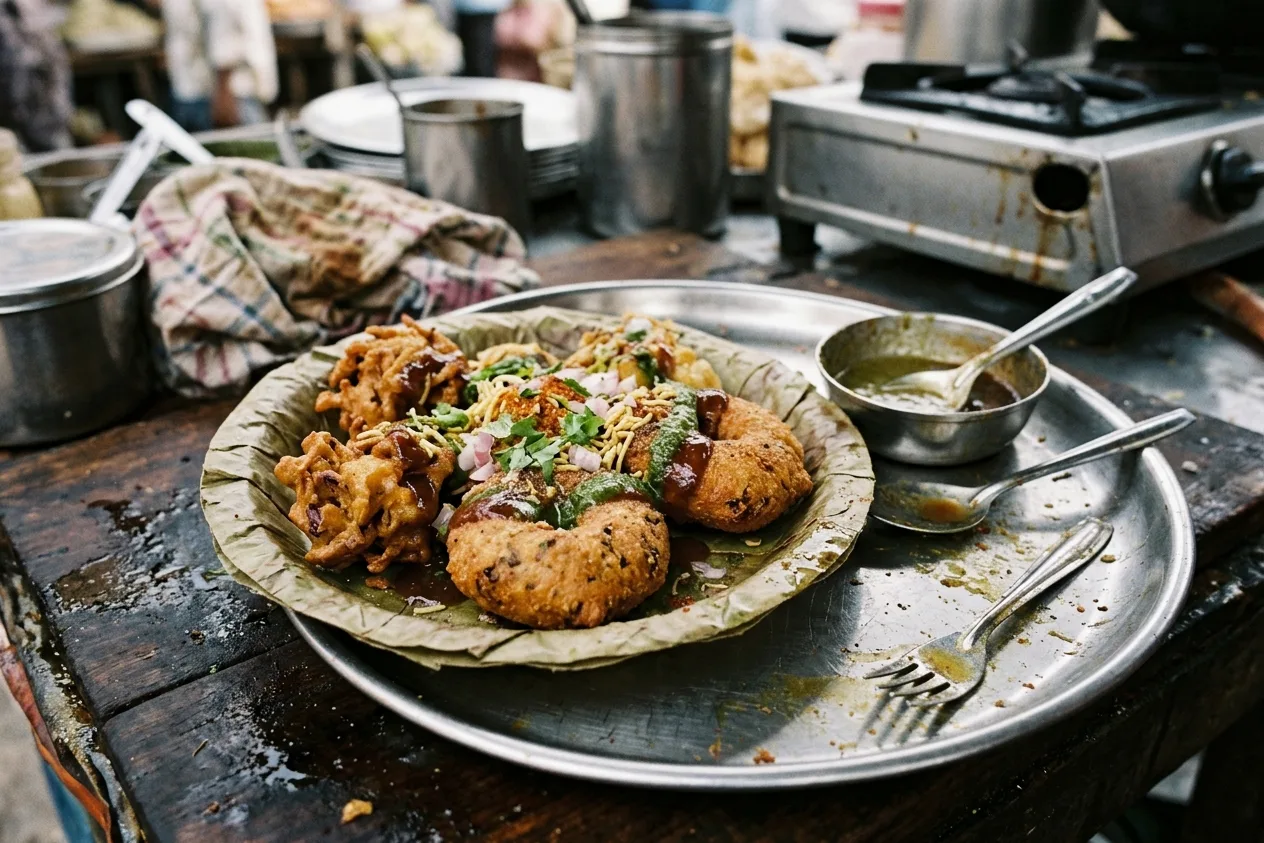
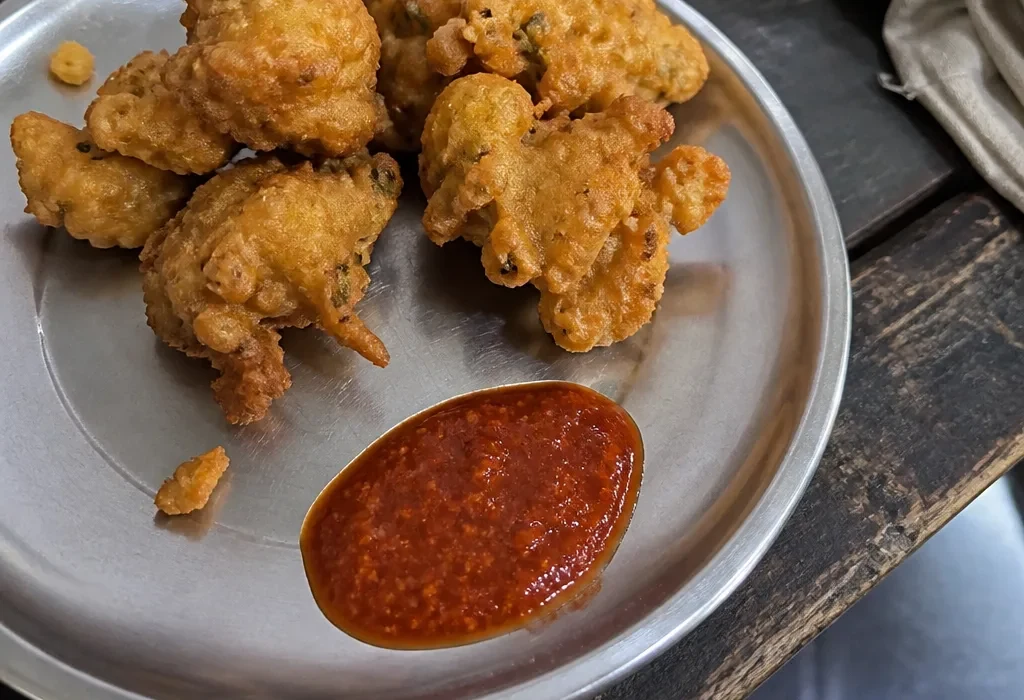
Zee News describes a street snack of deep-fried soaked balls of urad dal, topped with curd, spices, pomegranate seeds, tamarind chutney and coriander. Holidify lists chena dahi vada as a variation on the regular bhalla and says it is made with lentils. The sources use the words bada, vada and bhalla loosely, and none of them draws a line between bada and pakora.
Aloo tikki and samosa
Wanderlog describes a 60-year-old chaat shop that serves over a dozen kinds of chaat, including palak patta chaat, aloo tikki, golgappe, dahi ke batashey and dahi badey. Swiggy’s blog names chola samosa and kachori samosa among the must-haves. Guides differ on which chaat shops to name, so we report only the dishes that appear on the Varanasi lists above: aloo tikki and samosa.
Tamatar chaat
Swiggy’s blog calls tamatar chaat a local version of aloo chaat, made from a mashed mixture of boiled tomatoes, potatoes, fresh coriander and green chillies. Outlook Traveller adds asafoetida, pounded ginger and green chillies. 30 Stades says some shops top it with namak pare, others with besan sev, and that it is served in earthen pots. For the full story, see tamatar chaat in Banaras and kulhad chai. Our own namkeen guide explains what sev is.
A table of the table
| Dish | What the sources say | Source |
|---|---|---|
| Kachori sabzi | Fried bread with lentil or potato filling, aloo sabzi | Treebo, Lonely Planet |
| Dahi bada | Fried urad dal balls with curd and chutneys | Zee News |
| Aloo tikki | Chaat shop staple | Wanderlog |
| Tamatar chaat | Tomato and potato, topped with sev or namak pare | 30 Stades |
| Chana dahi vada | Lentil bhalla variation | Holidify |
What goes with it
A fried plate is met by a sour or cooling side. See the Banarasi chutney side plate, what to eat with achar and, for the winter half of this table, malaiyo.
Frequently asked questions
What fried snacks is Varanasi known for?
Kachori sabzi, dahi bada, aloo tikki, samosa and tamatar chaat, per city food guides.
What is the difference between bada and pakora?
The sources found do not say. We have left it open until a local source is found.
Is Varanasi food made without onion and garlic?
One guide says the kachori sabzi is made without them. It does not say this holds for every dish.
Sources used for this post: Lonely Planet, what to eat in Varanasi; Outlook Traveller, Varanasi street food; Treebo, Varanasi street foods; Holidify, street food in Varanasi; Zee News, Varanasi street food; Swiggy Blog, Varanasi street food trail; 30 Stades, ten street foods of Varanasi; Wanderlog, Varanasi chaat