
Blog
Achar for First-Time Buyers: A Tasting Order

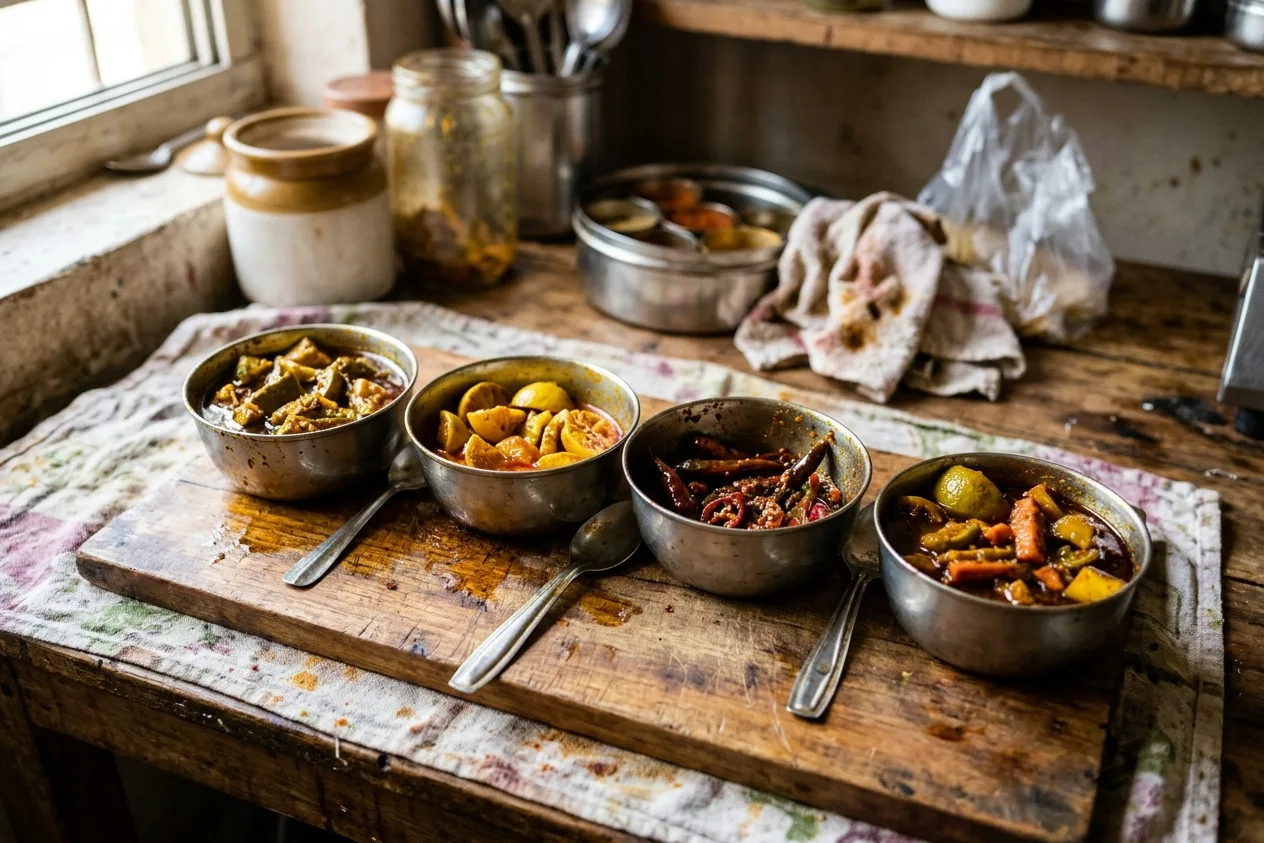
A UK pickle retailer’s guide puts the fear in one line: heat is the intimidating factor for first-timers, and it is all a matter of dosage. It adds that makers who print a heat level on the label make the first choice easier, and that a mild or medium jar is a sensible start.
The short answer
In short
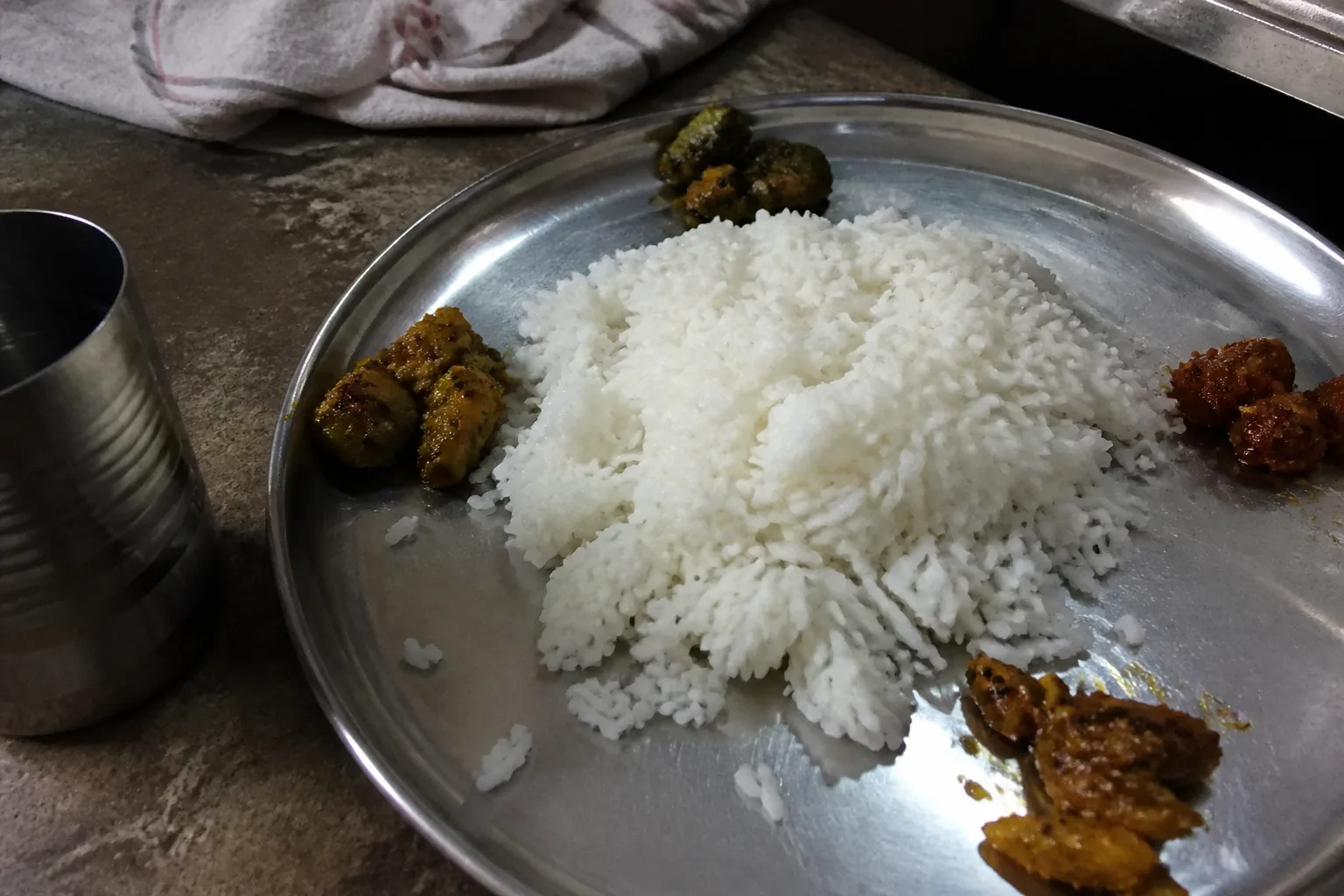
Start with a sweet or mild pickle, move to lemon, then a classic mango, then a mixed pickle, and finish with a hot chilli achar. The order is ours, and it moves from gentle to sharp. Take small amounts, with plain food such as paratha or rice.
Why an order helps
A pickle is a condiment, so a teaspoon does the job. Tarla Dalal’s achar article says sugary achars such as sweet lemon pickle work best with spicy parathas, and that other pickles pair with plainer food. A beginner who meets the sharpest jar first may decide the whole family of pickles is too hot. The order lets the palate adjust.
1. Sweet or mild
Wikipedia describes sweet mango pickle as mango pieces with sugar syrup and other ingredients, kept sealed in a jar under the sun until the mangoes soften. Yahoo Food says some achaars are sweet, made with a sugar or jaggery syrup, and pair with seasoned or stuffed rotis and parathas. Veg Recipes of India has a no oil sweet mango pickle with jaggery and nigella.
2. Lemon
Diaspora Co recommends starting with a classic lemon achar for anyone new to making pickle, and lists green chilli, garlic, carrot and radish, and sweet raw mango as other simple ones. Lemon is sour and salty, and heat depends on the recipe.
3. Classic mango
The aam ka achar is the pickle most people picture. Masterclass calls it a constant across the subcontinent. See aam ka achar regional styles.
4. Mixed or vegetable
A pickle of several vegetables has more texture and less single note sharpness.
5. Hot chilli
Banarasi hari mirch achar is where the order ends. Keep a spoon for the plate and not for the mouth.
How to taste
- Use a clean, dry spoon, and put a small amount on the plate.
- Pair it with plain paratha, khichdi or rice. See khichdi, papad and achar and what to eat with achar.
- Notice the sour, the salt and the oil before the heat.
- Return the jar to a cool, dry shelf. See how long achar lasts.
For our own jars
For the questions people ask most, see five questions about our pickles. For reading the label before you buy, see how to buy authentic achar online.
Frequently asked questions
Which achar is mild?
Sweet and sugar or jaggery based pickles are usually gentler, and a label that states a heat level helps.
Where should a first-time buyer start?
With a sweet or mild pickle, a spoon at a time, with plain food.
Is it all very spicy?
No. Heat varies widely between pickles.
Sources used for this post: Joybuy, best Indian pickles guide; Tarla Dalal, top 10 achar recipes; Wikipedia, List of Indian pickles.; Yahoo Food, how to make quick achaars; Veg Recipes of India, no oil sweet mango pickle; Diaspora Co, Indian pickles master guide; MasterClass, all about achaar