Blog
Khichdi, Papad, Achar: The Plate That Has a Name in Every Home

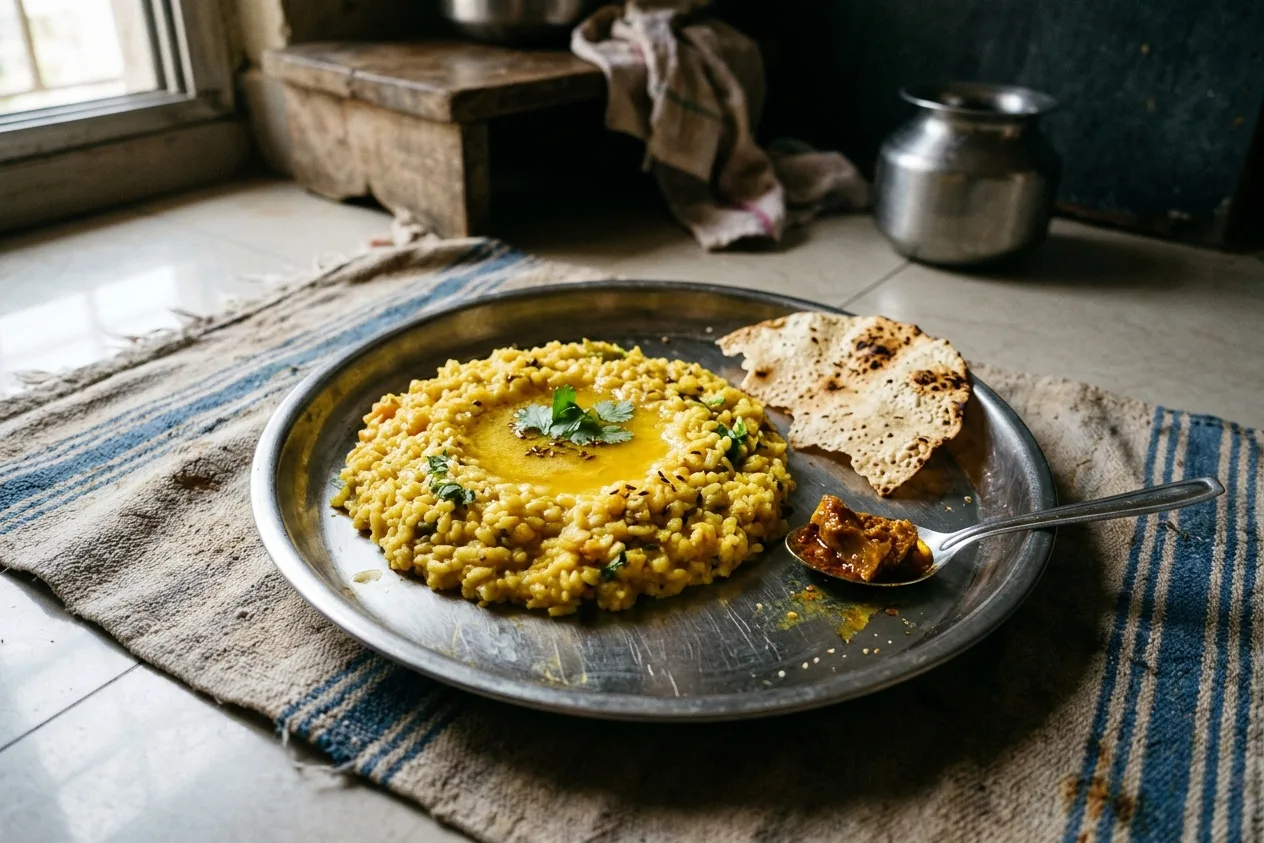
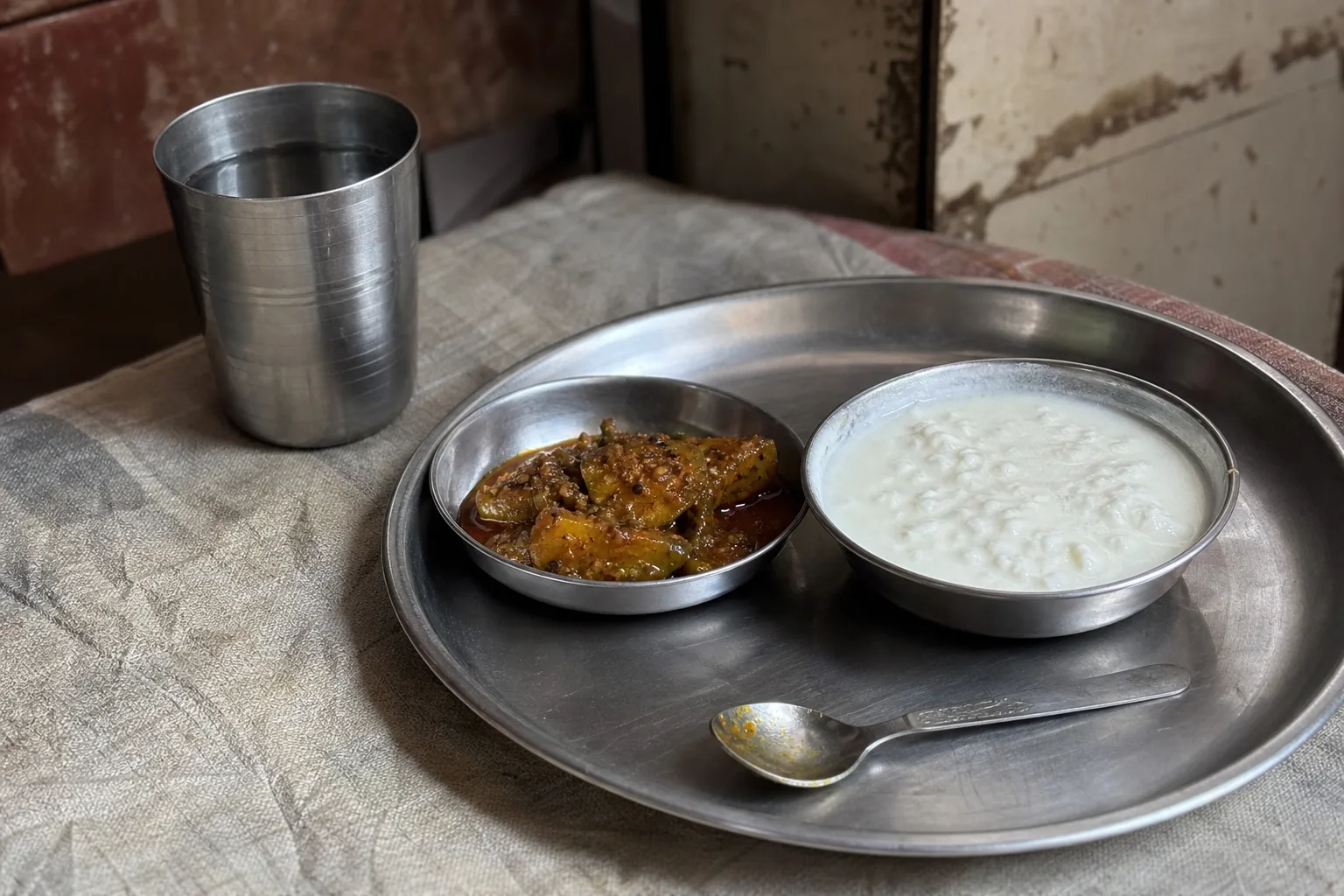
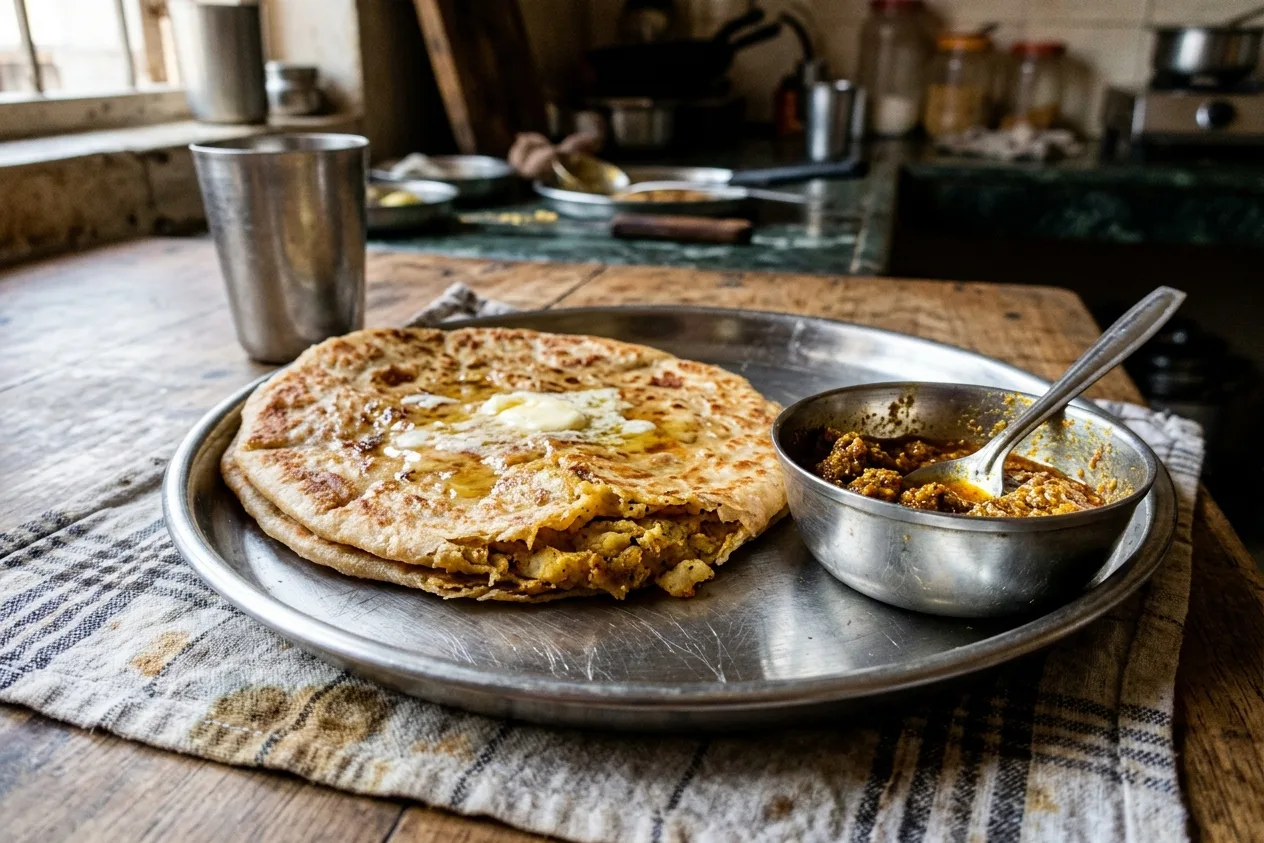
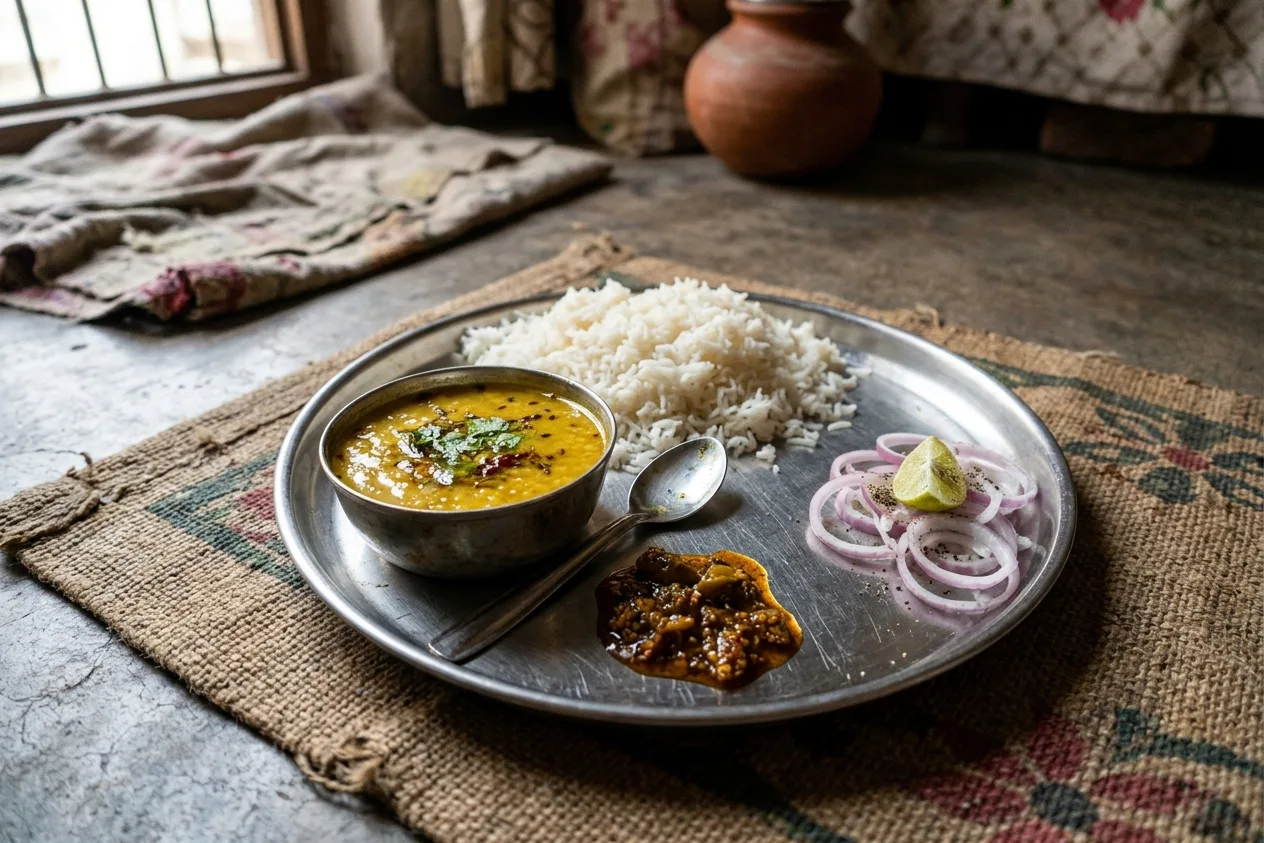
“Khichdi ke chaar yaar, dahi, papad, ghee aur achaar.” The saying is often quoted, and a book excerpt by the food writer Pushpesh Pant translates it as: khichdi has four companions, curd, papad, ghee and pickles. A plate of plain khichdi is a bowl of rice and dal, soft and bland. The four companions are what make it a meal, each one bringing something the bowl lacks.
This post looks at the khichdi plate: where the dish comes from, what the four companions do, and how the plate changes across the country.
What is khichdi
In short
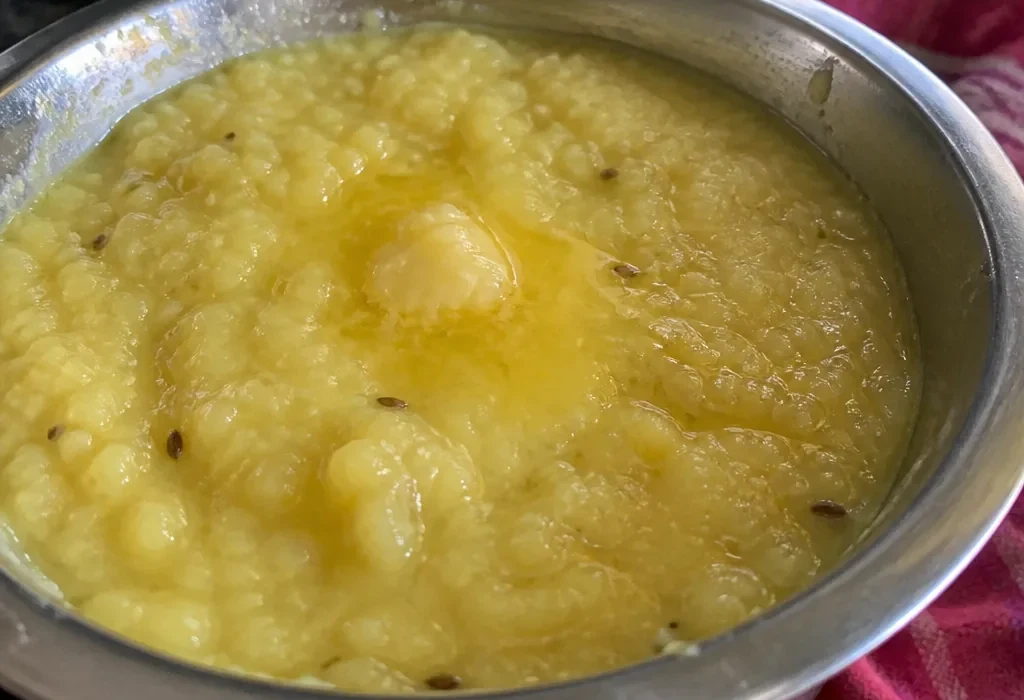
Khichdi is a dish of rice and lentils cooked together until soft, usually finished with ghee and served with curd, papad and pickle. Its name comes from the Sanskrit word for a dish of rice and legumes.
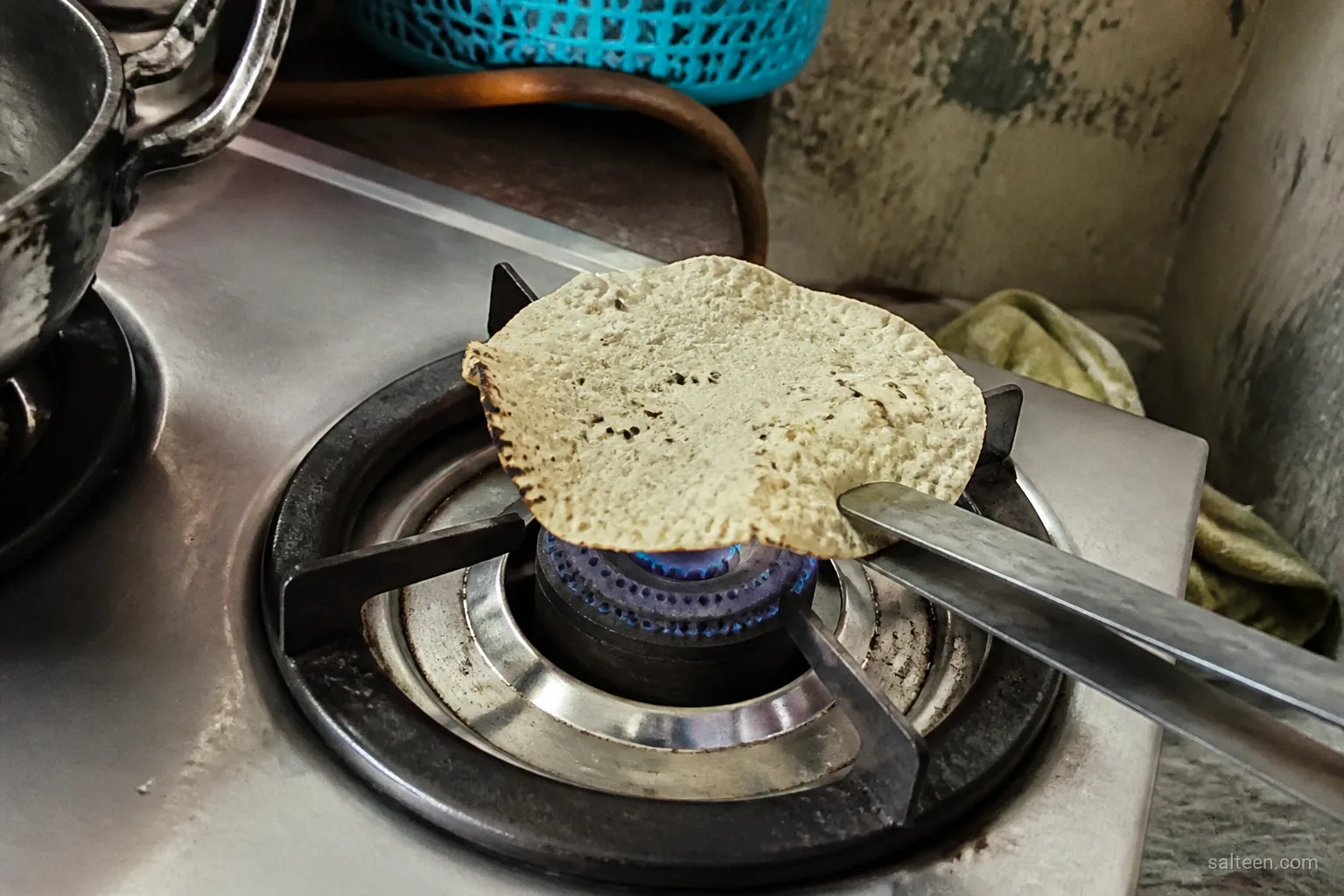
Onmanorama says that khichdi gets its name from the Sanskrit word khicca, meaning a dish made of rice and lentil. Pushpesh Pant traces the earliest mention of the dish to a thousand years before the birth of Christ, under the Sanskrit name kshirika. Indian Healthy Recipes points out that khichdi is not native to any single regional cuisine and is made in many different ways, from just rice and moong dal cooked to a mushy texture and topped with ghee, to a vegetable laden version.
It is also the dish of a first meal. Outlook Traveller notes that the first solid food that infants eat in Hindu culture is a mushy khichdi, and Swiggy’s food blog says that because the dish is gentle on the stomach, it is often the first solid meal given to newborns and the go to food for someone who is unwell.
The four companions
Khichdi ke chaar yaar
- Dahi (curd): cool and sour, against the warm, soft rice and dal.
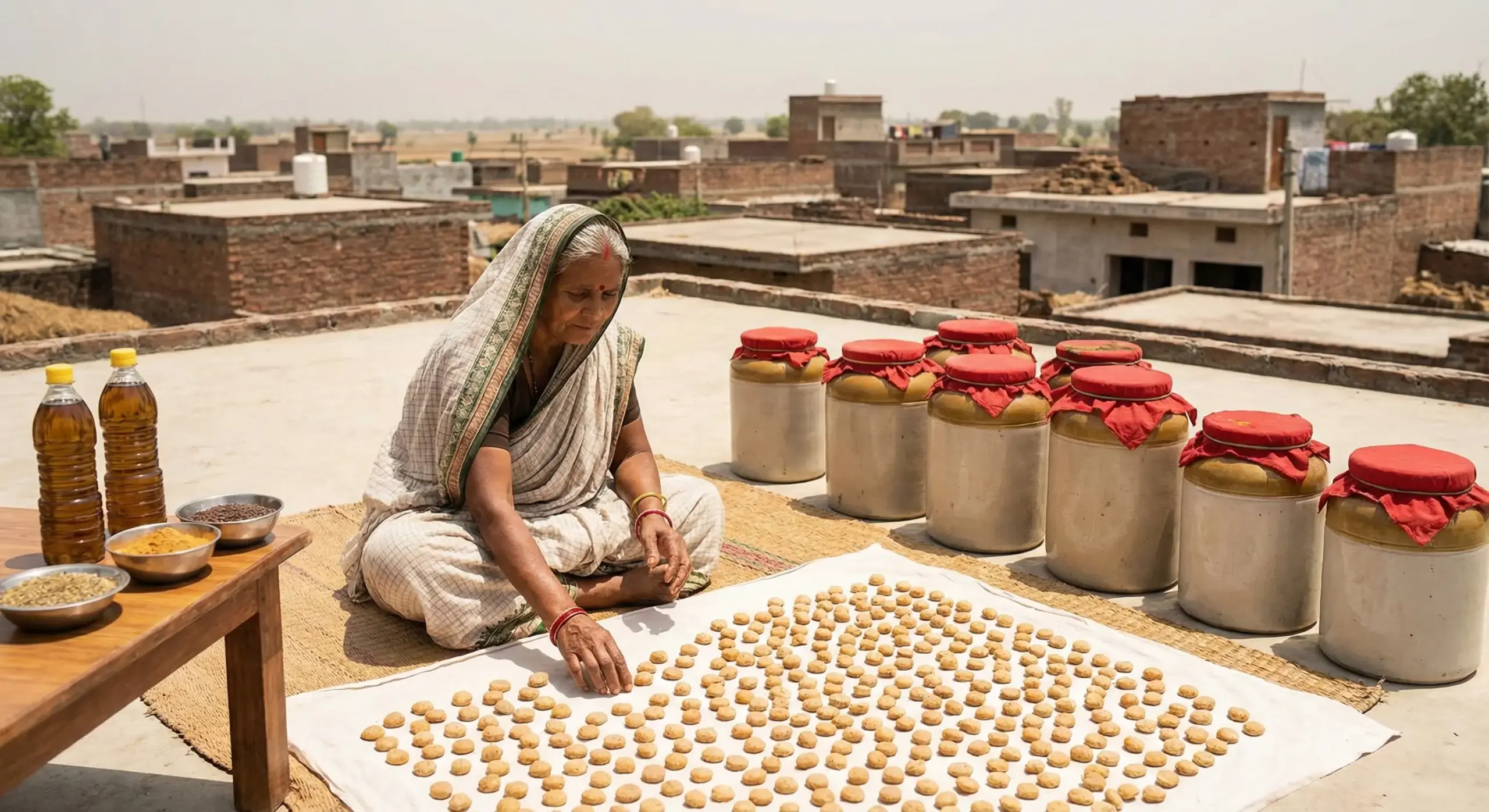
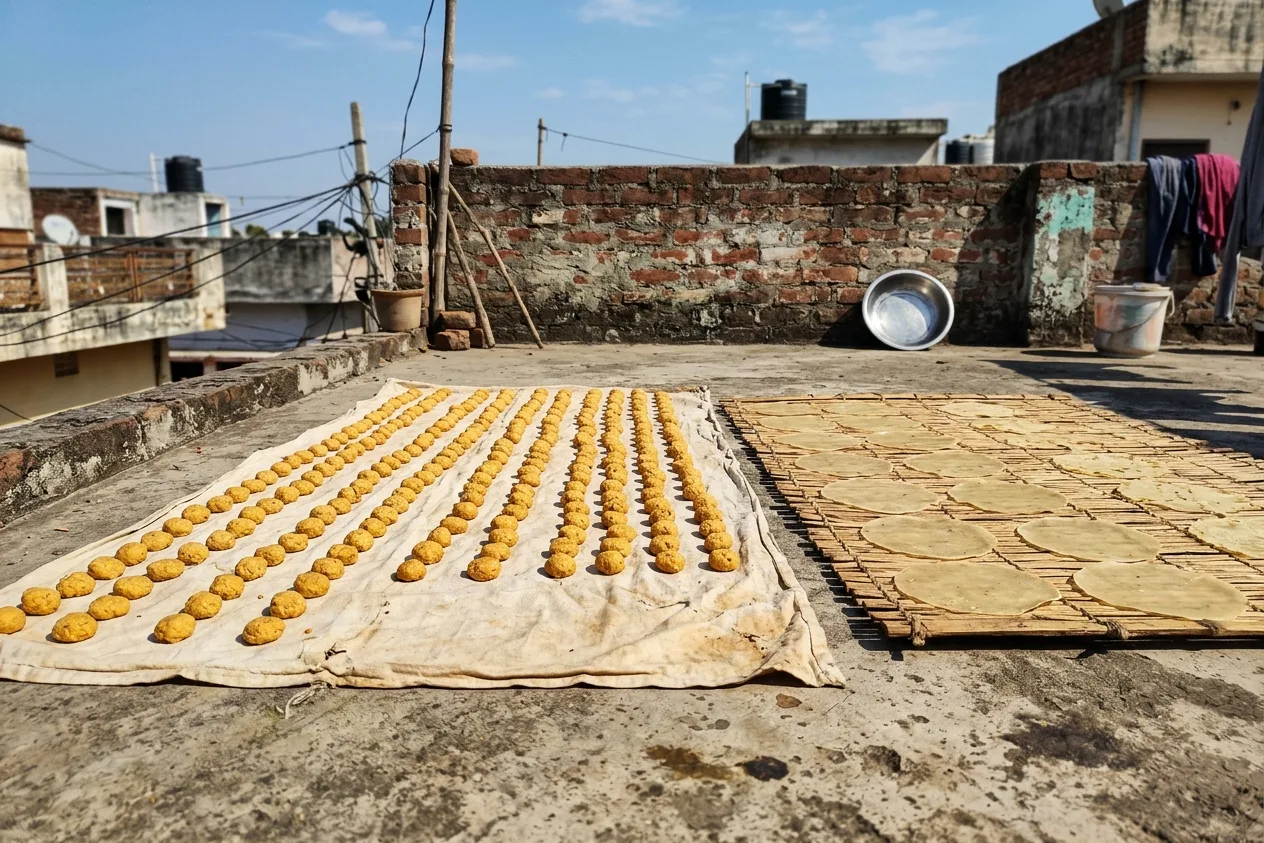
- Papad: crisp, where the bowl is soft.
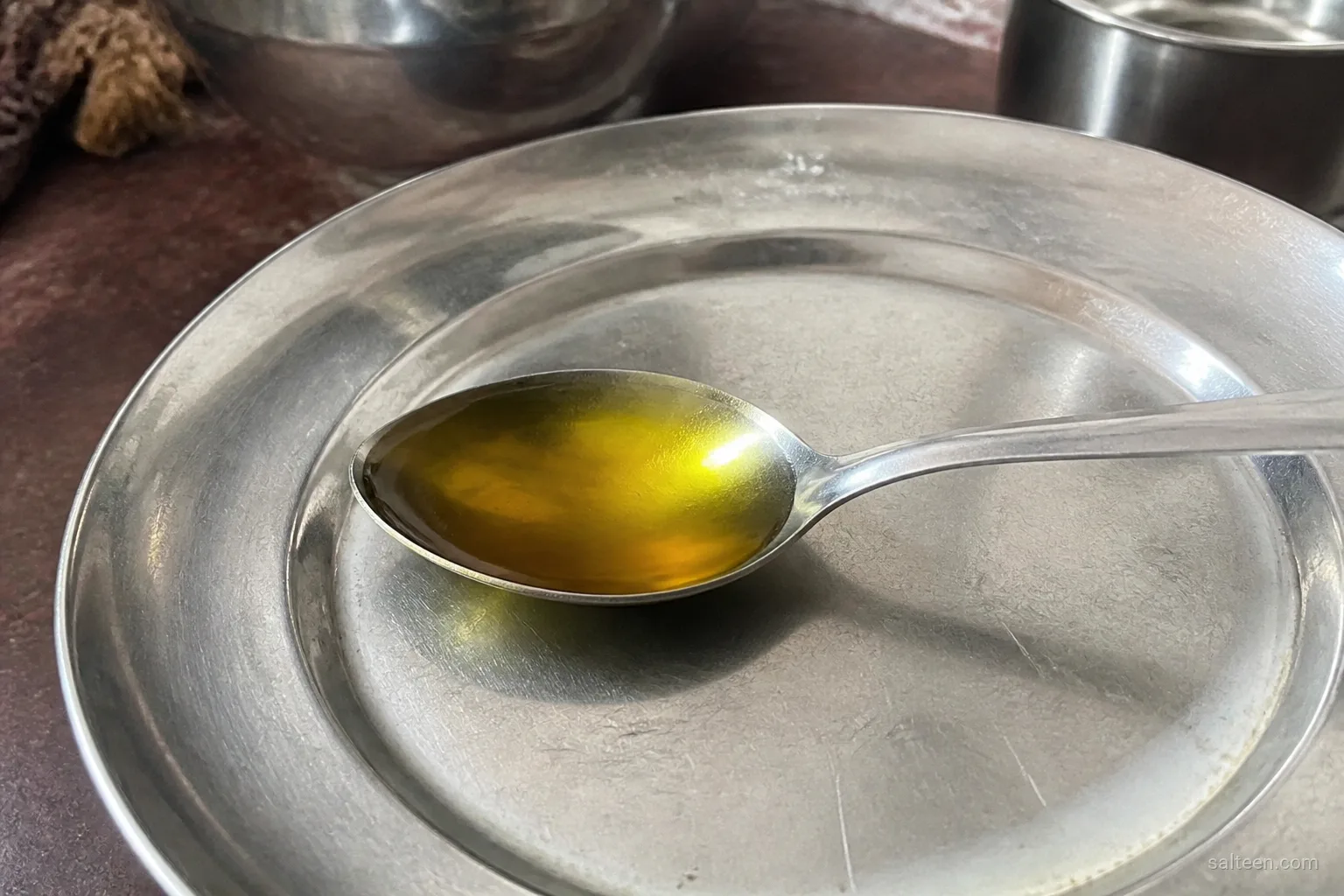
- Ghee: richness, melted on top of the hot khichdi.
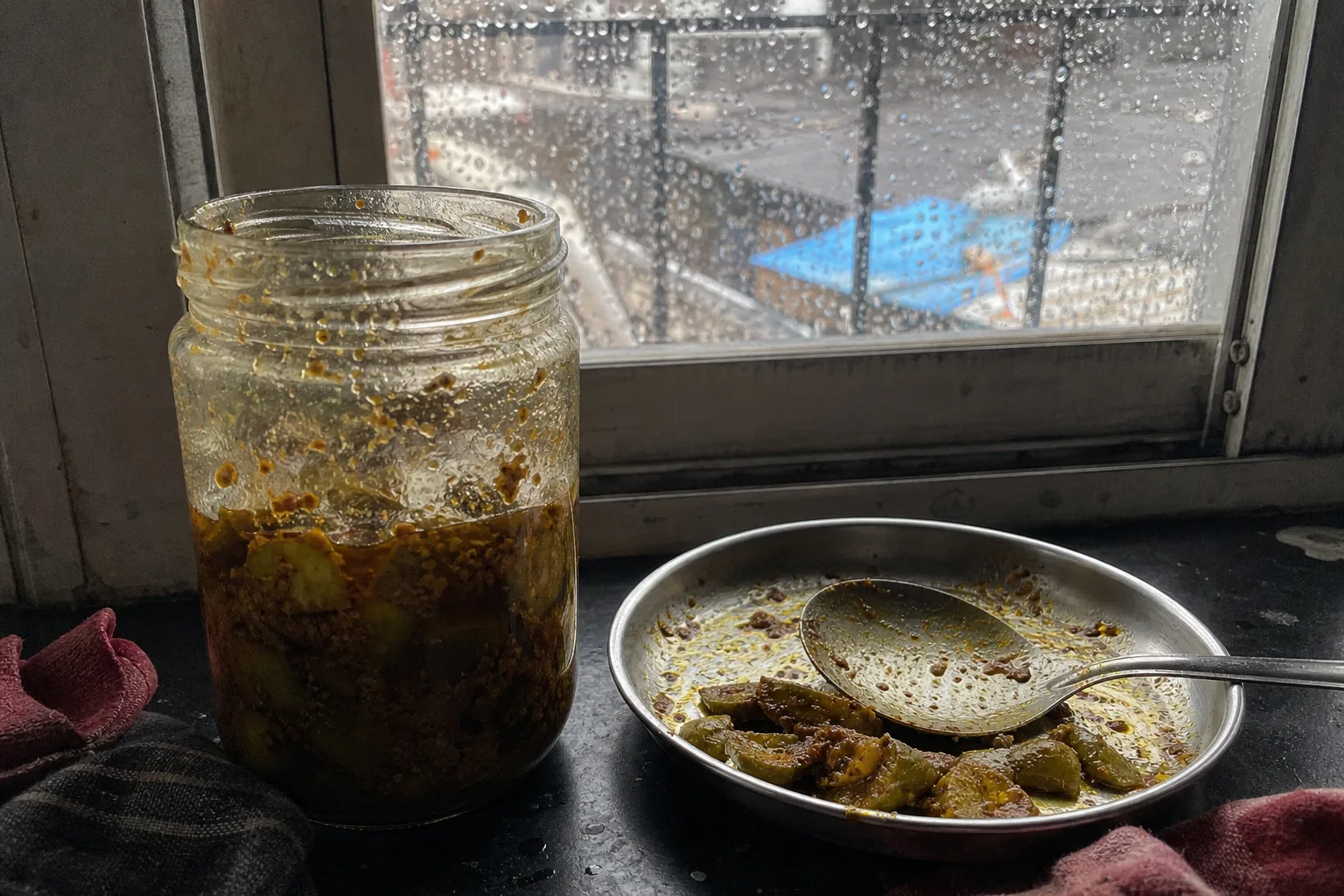
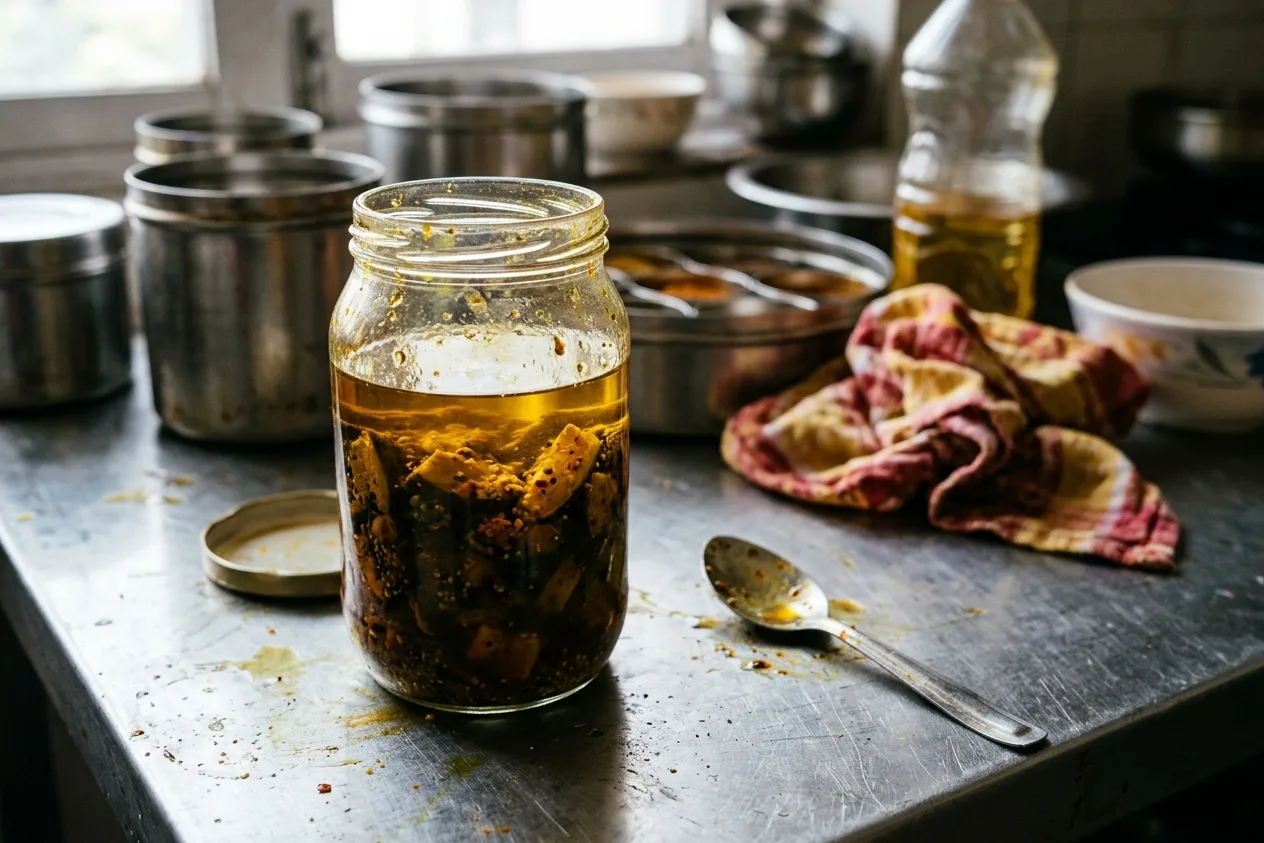
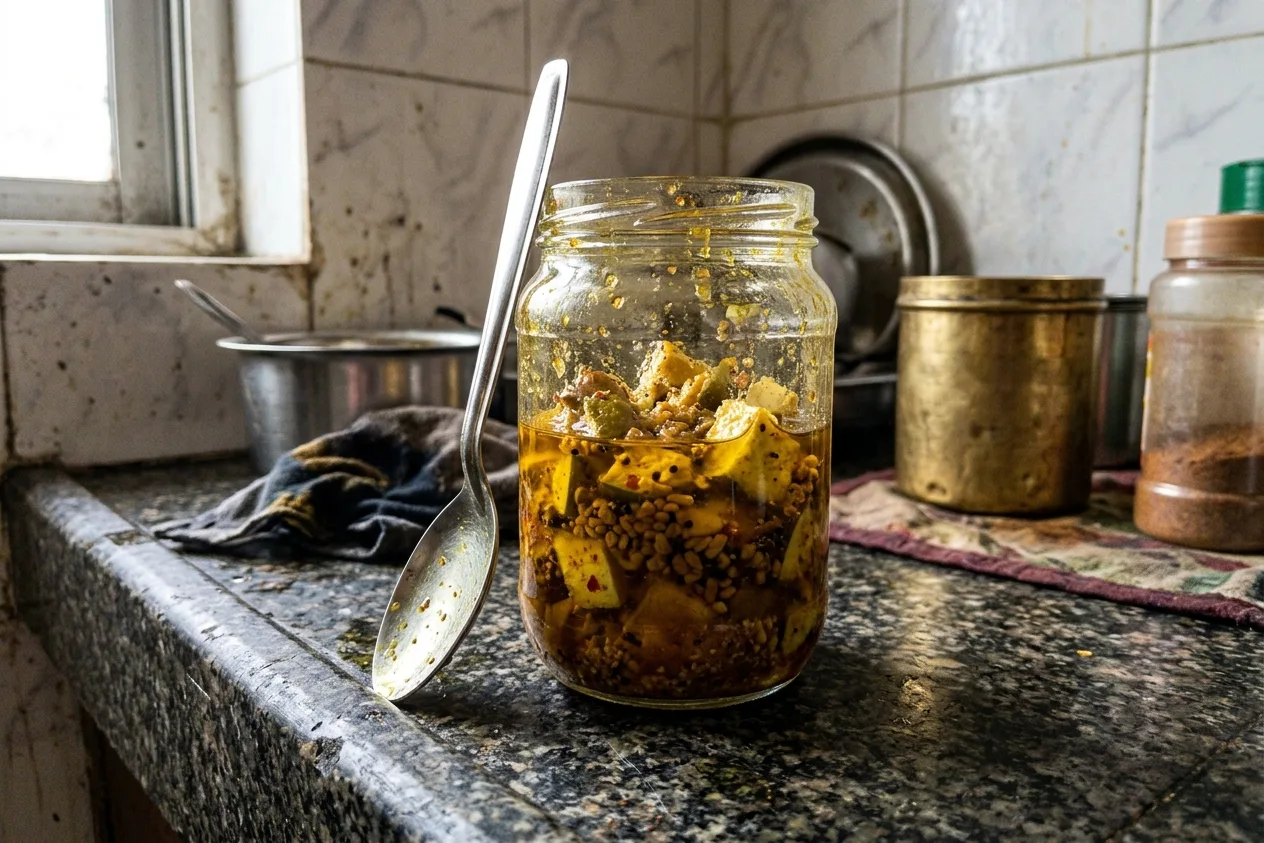
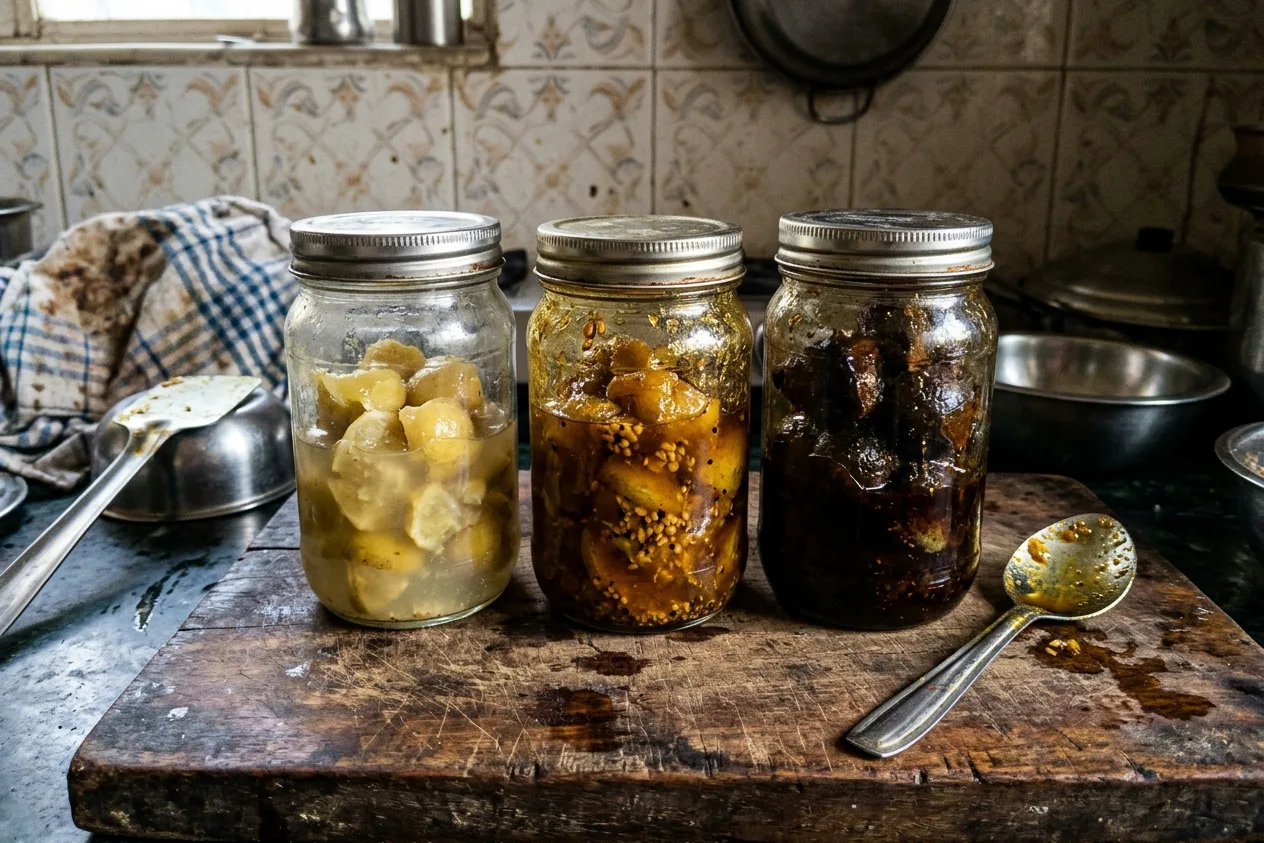
- Achar (pickle): sharp, salty and spiced, where the bowl is mild.
The roles are plain. Khichdi is soft and mild, and the companions supply what it lacks: sourness, crunch, fat and heat. A recipe from The Tribune says to finish the khichdi with ghee and serve it with pickle, papad and curd. Indian Healthy Recipes says to serve it with pickle, papad and lassi. The Quint says it is best paired with papads, pickle and curd, and sometimes with a hot kadhi. We think of the plate as a lesson in contrast: each spoon of soft rice is made interesting by something crunchy, sour or hot.
Which pickle goes with khichdi
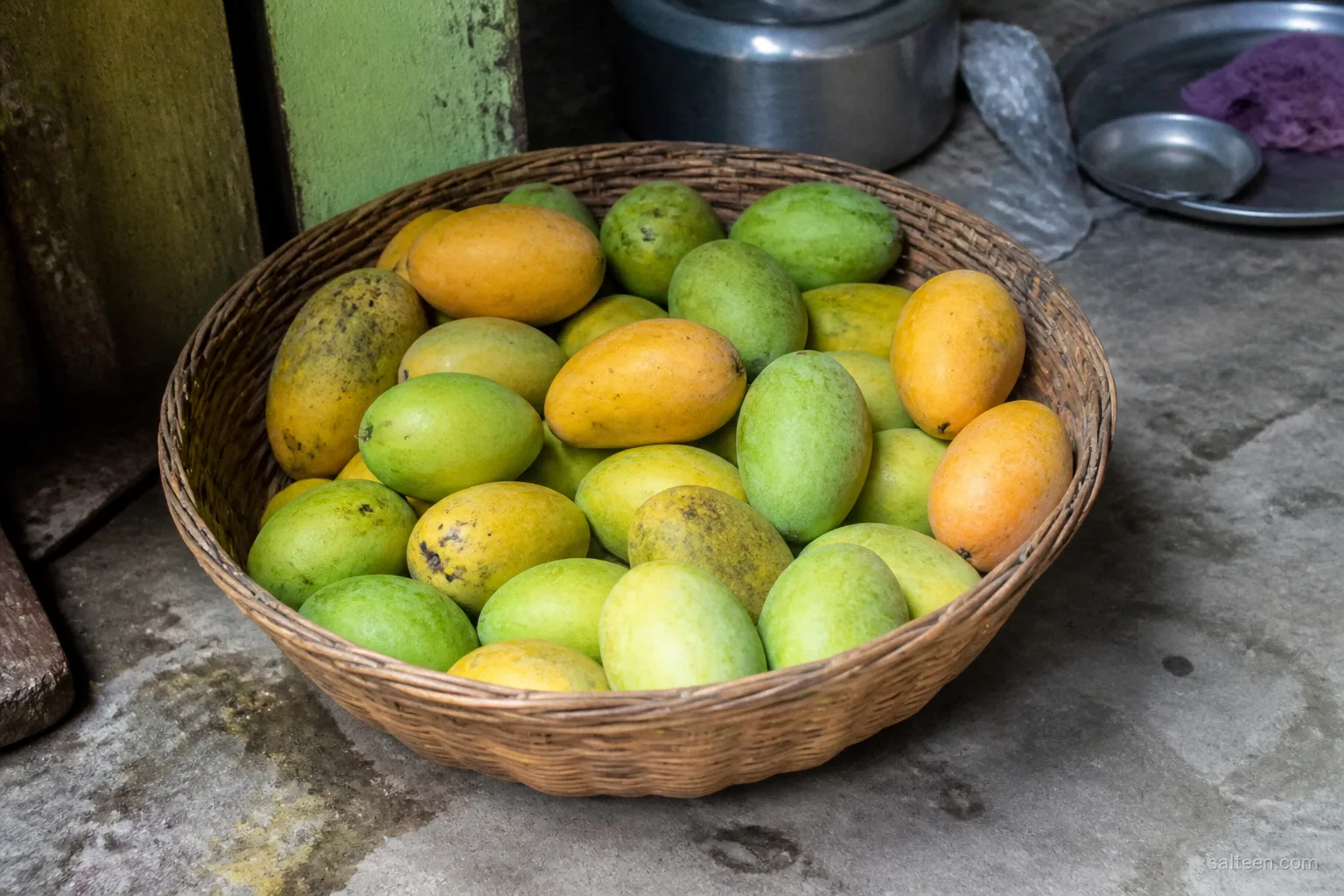
A survey of recipes finds a wide choice. One cook serves her khichdi with ghee, papad, pickle and aloo ka chokha, mashed potatoes. Punjab serves it on Lohri with curd and mango pickle, according to The Quint, the folk festival that commemorates the winter solstice. In Hyderabad, a khichdi is eaten with kheema, mango or lime pickle and a papad, as one chef describes. Bajra khichdi is had with curd, garlic chutney and other types of pickles, and a lot of ghee, says Onmanorama.
The pickle that suits depends on the khichdi. A plain moong dal khichdi welcomes a sharp mango or lemon pickle. A richer, spiced or vegetable khichdi sits well with a simpler, milder one. Our full guide to pickles at the table is in the post on what to eat with achar.
How the plate changes
The dish is made everywhere and called by many names. It is khichri or khichuri in Bengal and across South Asia, where an NPR piece quotes an author saying that it is pretty close to a universal dish. The plate changes with the region.
- Bengal: bhog khichuri is served at Durga Puja, and bhuni khichuri is cooked with vegetables and served with deep fried fish.
- Tamil Nadu: Pongal is a khichdi of rice, moong dal and ghee made at the harvest festival, as we describe in Lohri, Pongal and Sankranti plates.
- Maharashtra: valachi khichdi, made with field beans, is had with curd, kadhi, ghee and pickles.
- Rajasthan: bajra khichdi with curd and garlic chutney.
- Uttar Pradesh and Bihar: the khichdi of Makar Sankranti, which we cover in Makar Sankranti food.
The dish also travelled. Outlook Traveller says that the Anglo Indian kedgeree was inspired by khichdi.
Why it is a winter plate and a sick day plate
An Onmanorama feature calls khichdi a favourite especially during the monsoon season, and The Quint calls it a perfect cure for the cold wintry nights in the north. Both seasons share the same need. A hot, soft, one pot meal is welcome when it is cold and damp, and when a person is unwell. NPR notes that across South Asia, khichri is a beloved comfort food for all seasons.
What our plate looks like
- What is your khichdi called at home, and how is it cooked?
- Which of the four companions are always on the plate, and which pickle?
- Who makes the papad, and how is it roasted: over the gas flame or fried?
- When is it made: sick days, rainy days, Saturdays, the day after a feast?
- One memory of the plate, in one or two lines.
If a line cannot be confirmed, this section stays out of the post.
Where to go next
For more on the pickle side of the plate, see what to eat with achar. A winter plate built on the same idea is in our winter thali plan.
Frequently asked questions
What is eaten with khichdi?
Curd, papad, ghee and pickle are the classic four. Kadhi, lassi, onion fritters and mashed vegetables are other common companions, depending on the region.
Why is khichdi served with papad and achar?
Khichdi is soft and mild. Papad adds crunch and pickle adds sharpness and salt, which gives each mouthful contrast.
What does “khichdi ke chaar yaar” mean?
It means khichdi has four friends: curd, papad, ghee and pickle.
Where does the word khichdi come from?
From the Sanskrit word khicca, a dish of rice and legumes.
Is khichdi eaten only when someone is sick?
No. It is eaten for comfort in many seasons, at festivals such as Pongal and Makar Sankranti, and as a full meal in many homes.
Sources used for this post: Down To Earth, excerpt from Pushpesh Pant’s Lazzatnama, “Khichdi, the Subcontinent’s very own comfort stew”; The Better India on khichdi; Onmanorama, “Revisiting khichdi types”; Outlook Traveller, “Khichdi: The Journey of India’s Favourite Comfort Food”; The Quint on khichdi in different regions and “From Khichdi to Khichuri”; Indian Healthy Recipes, dal khichdi; The Tribune, “Khichdi for all seasons”; NPR, “Khichuri: An Ancient Indian Comfort Dish”; Deccan Chronicle, “One pot wonder”; Swiggy Blog, the origin of khichdi