Blog
Aam Ka Achar Styles: Banarasi, Punjabi, Andhra, Gujarati and Bihari

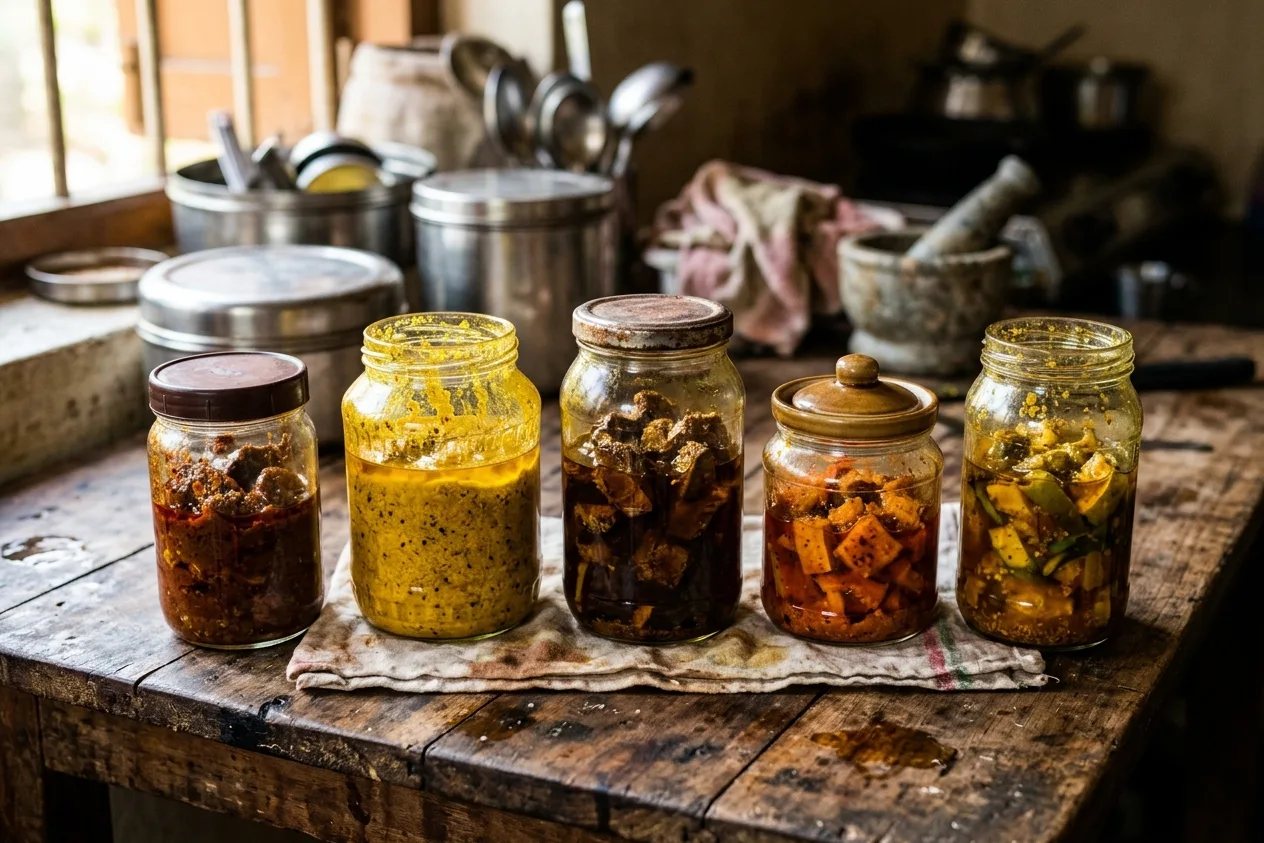
Wikipedia’s entry on Indian pickles makes the point in one line: despite using the same main ingredients, differences in preparation techniques and spices have led to wide variation. A raw mango, salt, spices and oil go into every jar. What changes from state to state is the spice, the oil and the sweetness.
This guide compares the main regional styles of aam ka achar.
The short answer
In short
Punjabi mango pickle is coarse and mustard heavy. Andhra avakaya is the boldest and spiciest, made with mustard powder and chilli. Gujarati chhundo is sweet and mild. Bengali pickle is sweet with mustard and jaggery. Banarasi and Bihari styles are not covered by the sources I could verify.
Punjabi and North Indian
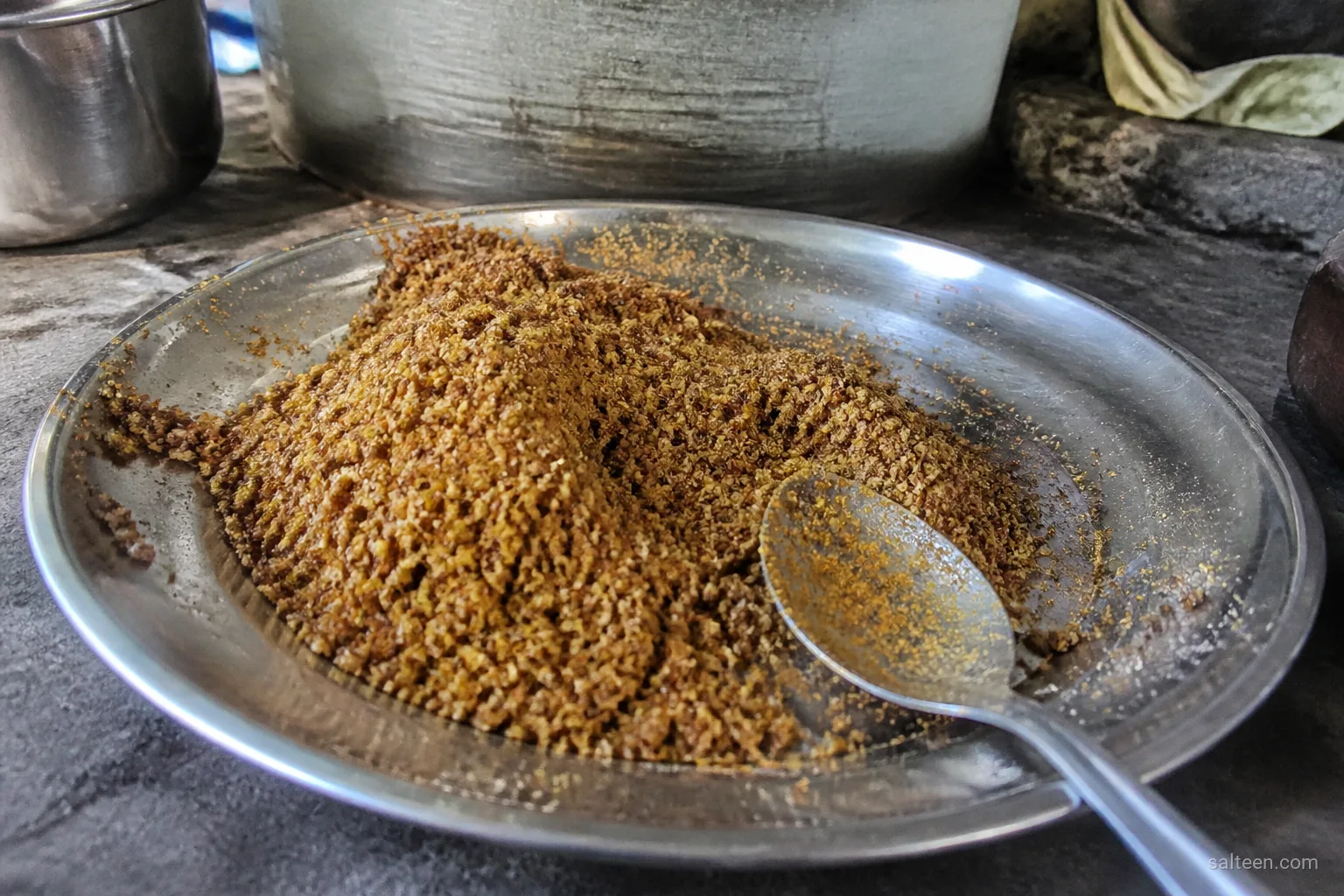
Slurrp says Punjabi aam ka achaar is made with raw mangoes pickled with spices like red chilli powder, fenugreek and mustard seeds. It adds that, compared with smoother or sweeter regional pickles, the Punjabi pickle often has a coarser spice texture and a punchier flavour, and is eaten with stuffed parathas, dal rice and everyday meals. An Organic Mandya guide puts North India (UP and Punjab) together, with mustard oil, rai and methi dominant. A pickle brand lists the Punjabi spice set as fenugreek, fennel, onion seeds, red chilli, asafoetida, mustard seeds and mustard oil.
Andhra avakaya
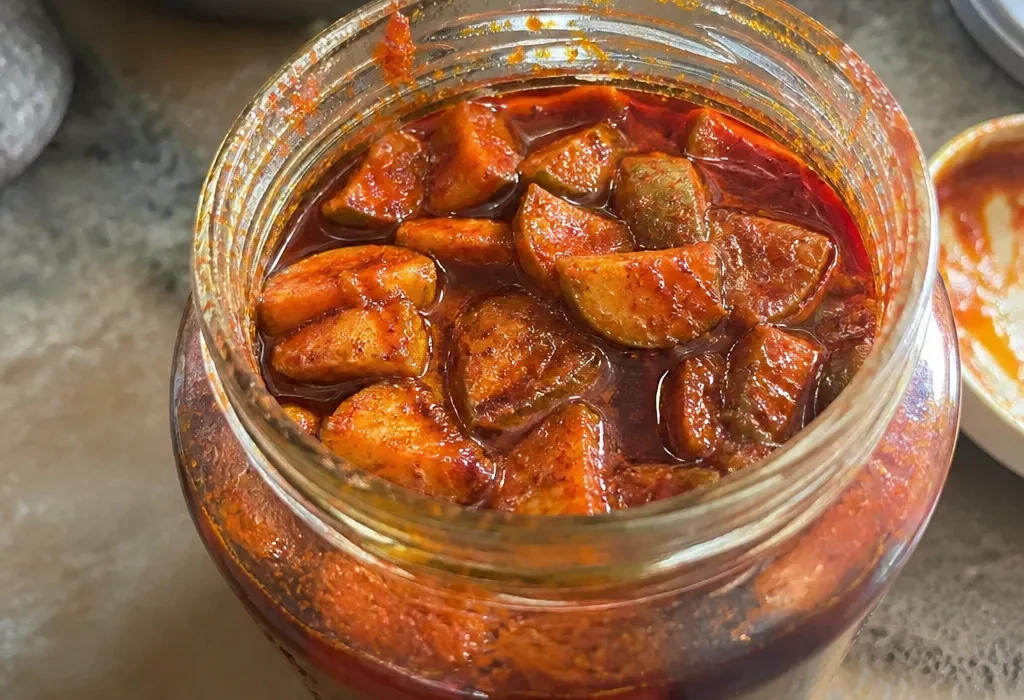
Slurrp calls avakkai India’s boldest and spiciest mango pickle. FarmDidi says it is made by mixing raw mangoes with mustard powder, red chilli powder and salt. Wikipedia places its origin in the Delta districts of Andhra Pradesh. BigBasket’s blog adds the aroma of sesame oil, where the North uses mustard oil.
Gujarati chhundo
Wikipedia lists chhundo as a Gujarat side dish of mango and sugar syrup, and says the name means crushed. Slurrp calls it sweet and tangy. One Slurrp piece says it uses grated ripe mangoes with jaggery, mustard seeds and fenugreek, and another says grated raw mangoes with sugar, salt and mild spices. Sources differ on whether the mango is raw or ripe, so a cook should say which they use.
Bengali
Slurrp says Bengali aam achaar is a sweet mix made with sliced mangoes, mustard paste, jaggery and fenugreek seeds, for those who do not want a spicy pickle.
Rajasthani
Organic Mandya describes Rajasthani aam achar as heavily spiced with asafoetida and lists a sweet-sour version with jaggery.
At a glance
| Style | Heat | Sweetness | Oil | Notes |
|---|---|---|---|---|
| Punjabi | Medium to high | Low | Mustard | Coarse spices |
| Andhra avakaya | Very high | None | Sesame, per one source | Mustard powder, chilli |
| Gujarati chhundo | Mild | High | Little or none | Grated mango, sugar |
| Bengali | Mild | Medium | Mustard paste | Jaggery |
| Rajasthani | High | Varies | Varies | Asafoetida |
Choosing
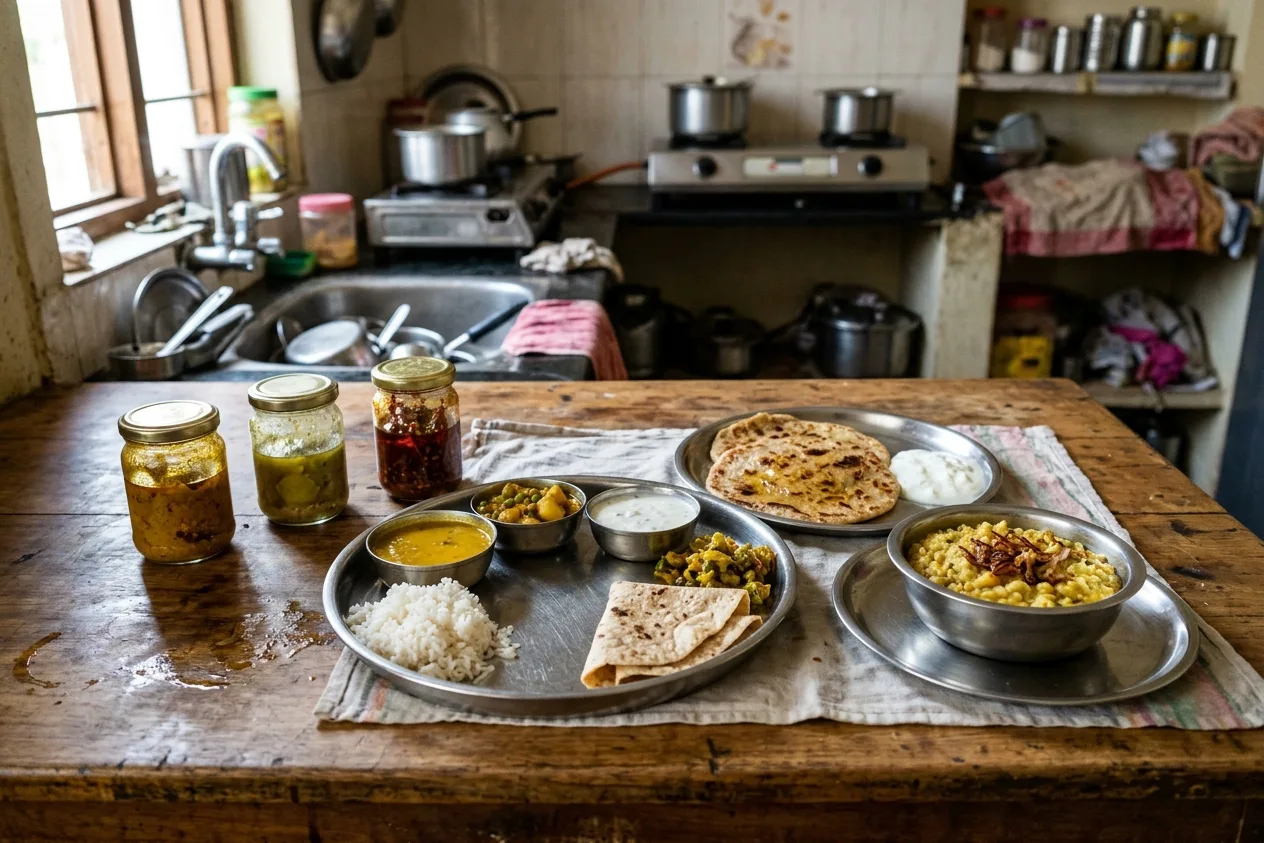
If you want a pickle for parathas, the Punjabi style is the usual answer, as in our aloo paratha pairing guide. The mango matters too, which we cover in how to choose raw mango.
Frequently asked questions
How do regional mango pickles differ?
Mostly in spice, oil and sweetness. Punjabi is coarse and mustard rich, Andhra is fiery, Gujarati and Bengali are sweeter.
Which state is famous for mango pickle?
Andhra Pradesh is known for avakaya, and Punjab for the classic North Indian aam ka achar. Many states have their own.
Is avakaya the same as aam ka achar?
Avakaya is the Andhra style of mango pickle, and aam ka achar is the general name.
Sources used for this post: Slurrp, regional mango pickles; FarmDidi, mango pickle styles; Wikipedia, Mango pickle, Chhundo and Achaar.; Organic Mandya, types of pickles and mango pickle guide; BigBasket blog, mango pickles; Mishry, mango pickles. Banarasi and Bihari styles are unsourced.