Blog
Achar and Digestion: What Tradition Says and Where the Evidence Stands

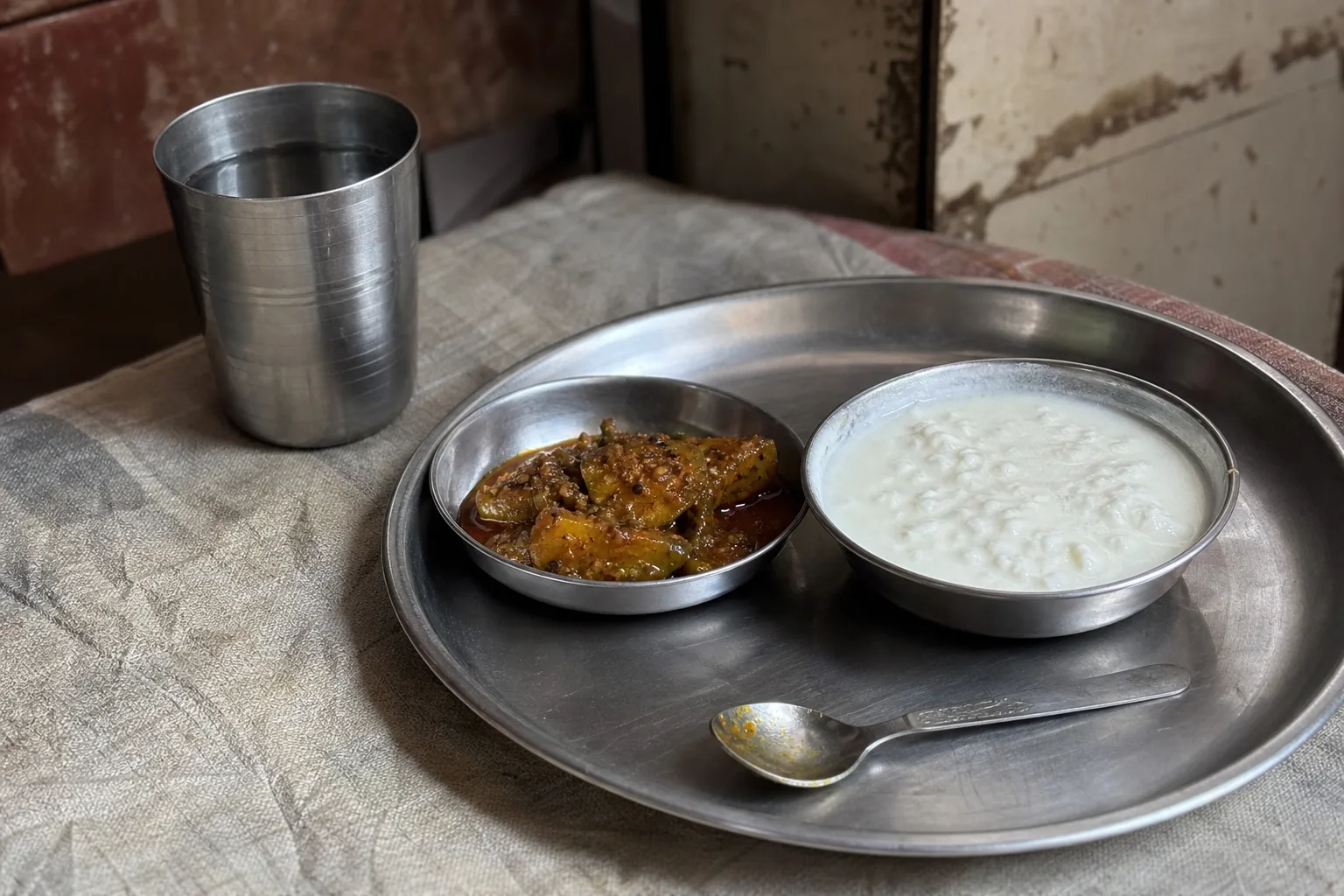
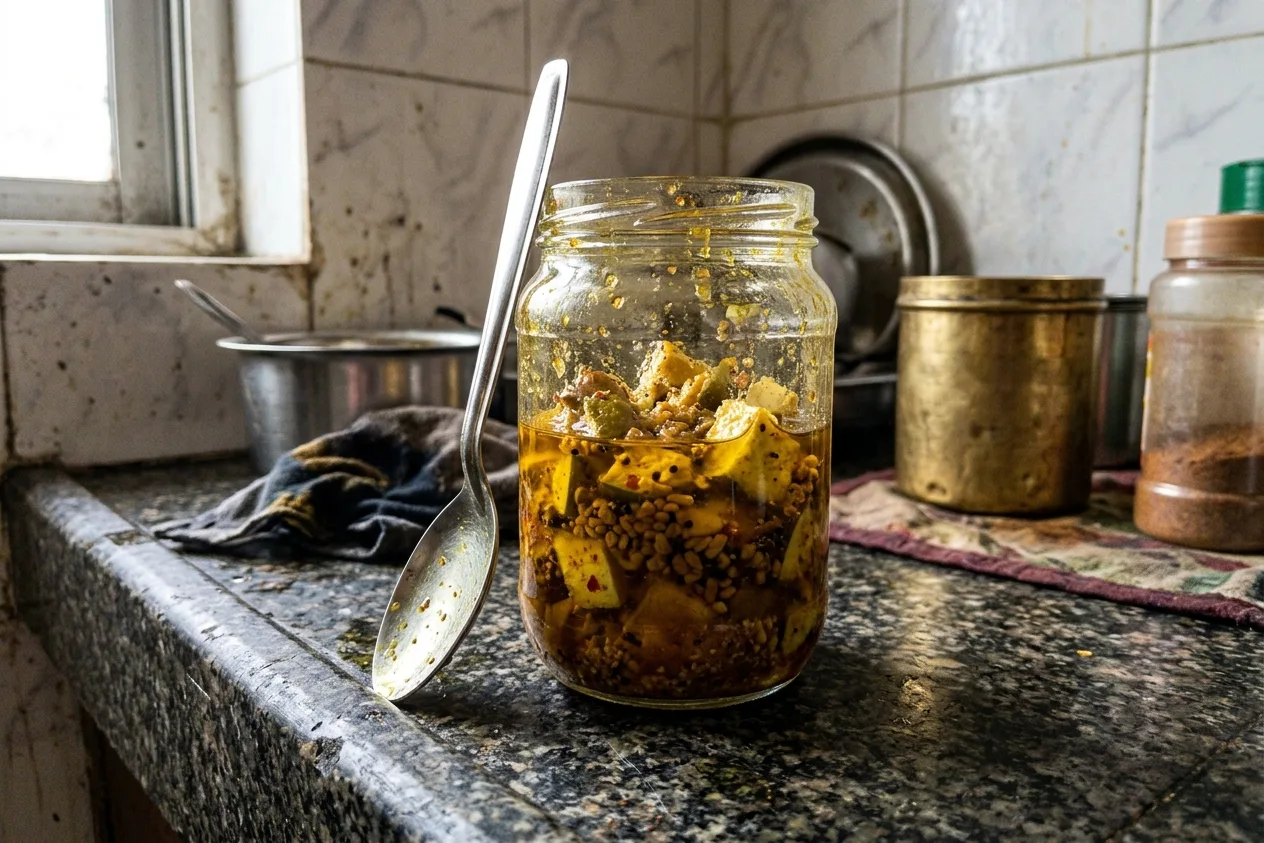
Cleveland Clinic’s overview of pickles gives the plainest framing of the question. Pickles are low in fat and calories and rich in some vitamins and minerals, it says, but they are usually high in sodium. One large dill pickle, according to its dietitian, has more than two thirds of the ideal amount of sodium an adult should have in a whole day.
That is a dill pickle in the United States, and not a spoonful of Banarasi achar. It still sets the terms: any discussion of pickle and digestion is also a discussion of salt.
The short answer
In short
Tradition treats a little achar as part of the meal. Research on traditional fermented pickles is real but mostly concerns microbes and fermentation, and many Indian oil pickles are not made by fermentation. We make no health claim for achar. Salt is the point to watch.
What tradition says
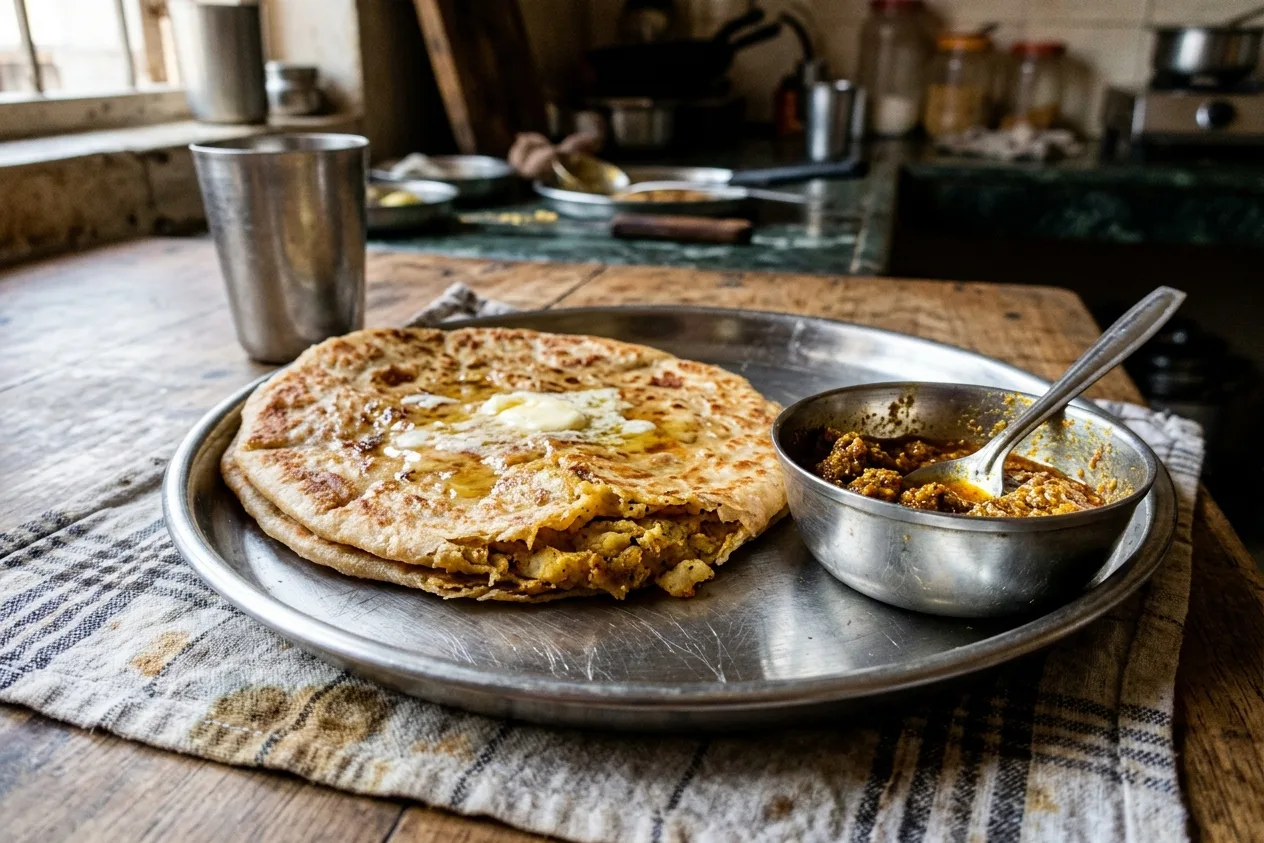
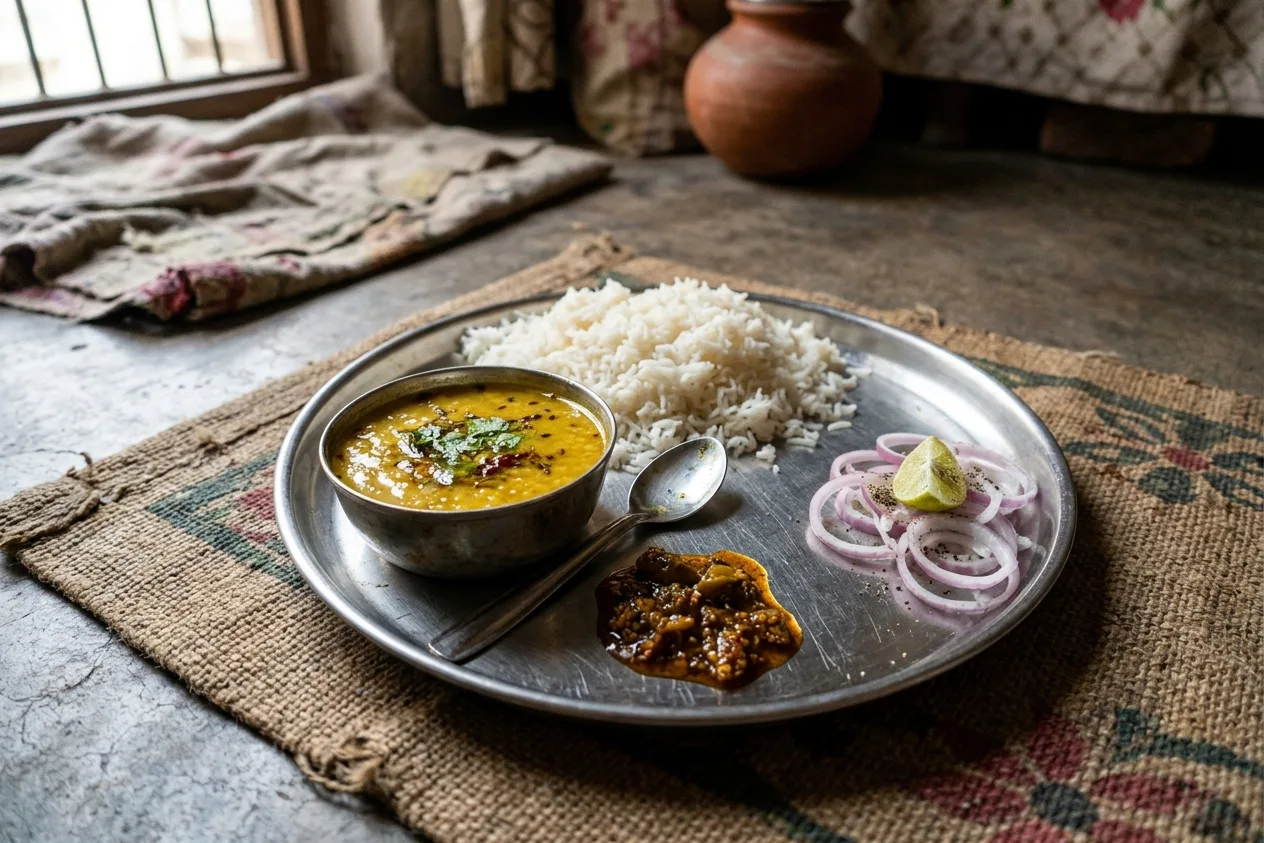
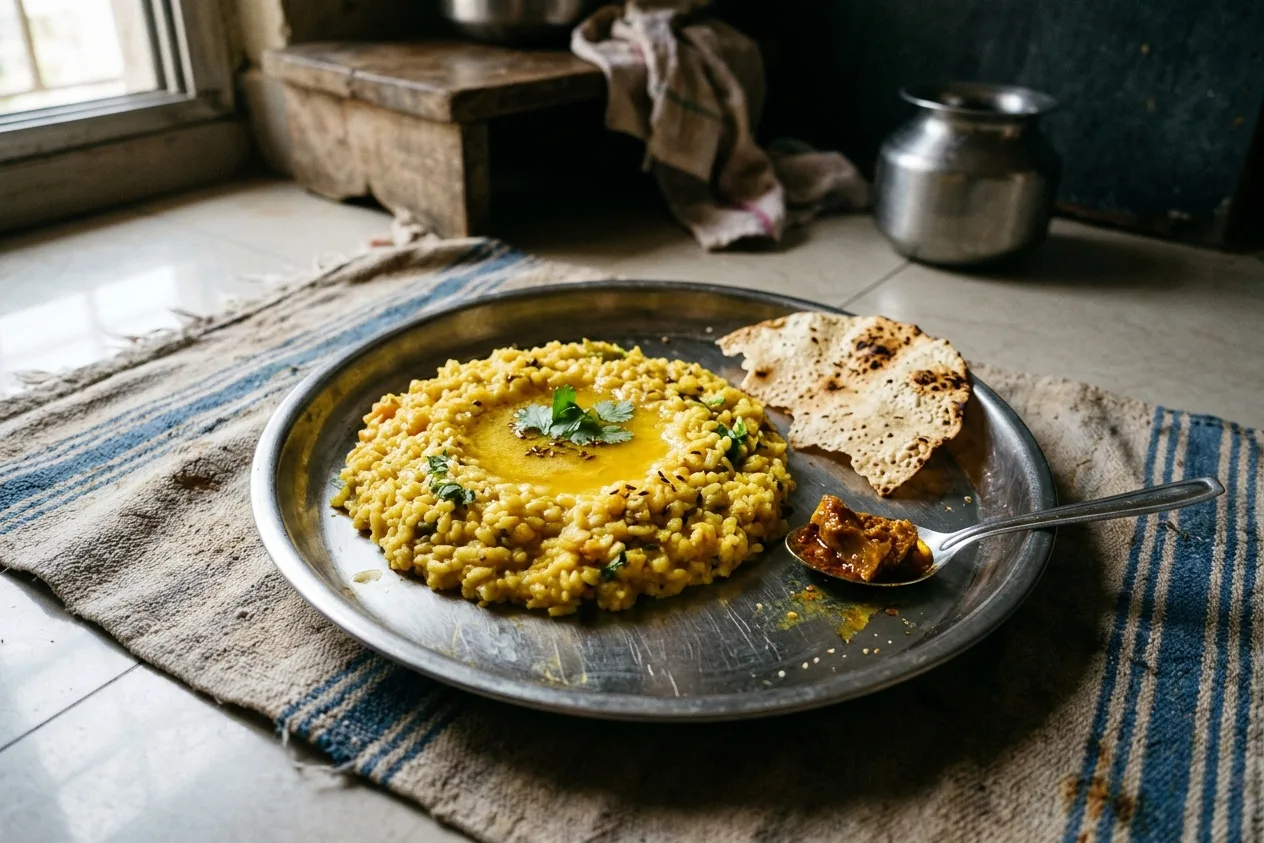
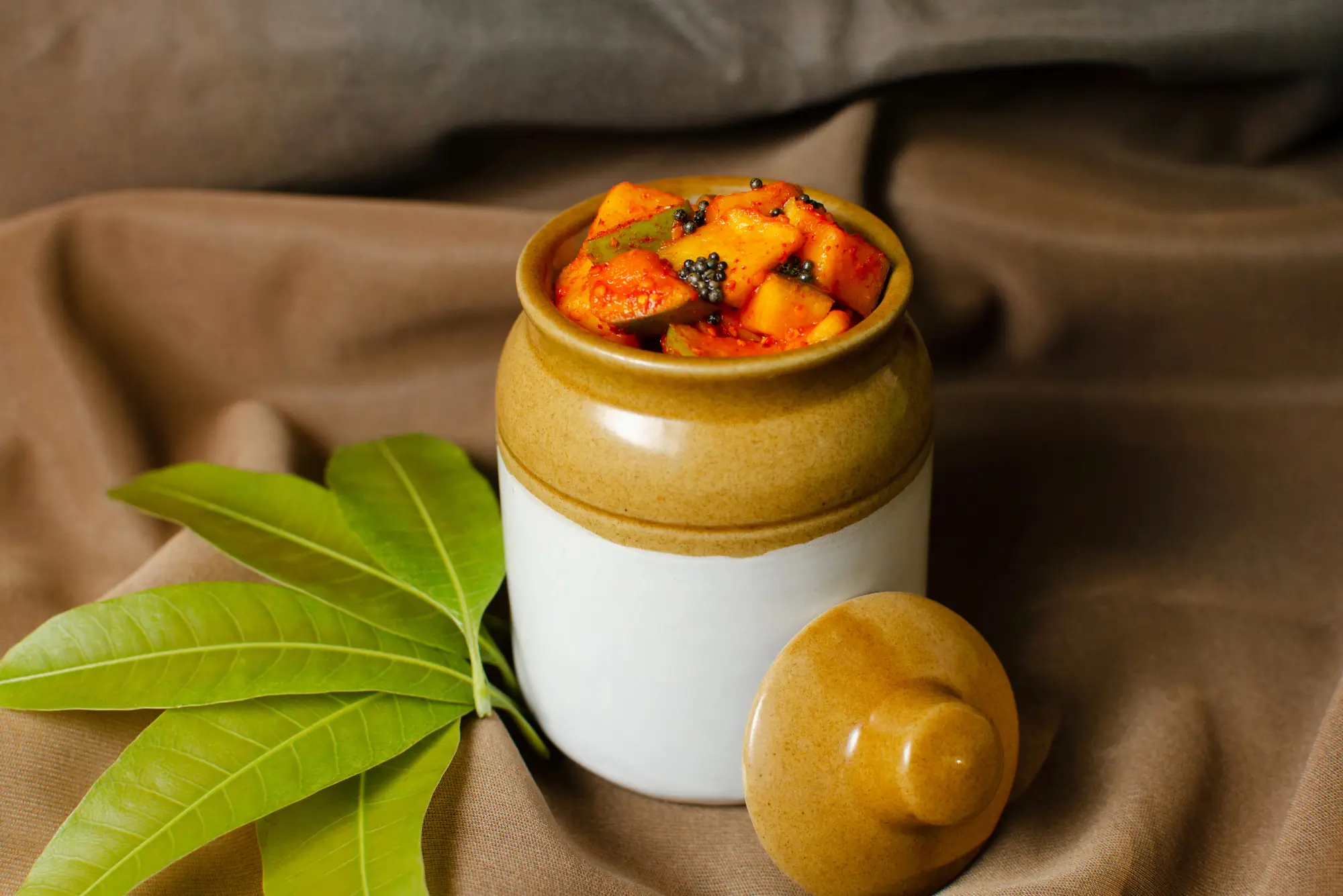
In the Indian subcontinent, especially the Himalayan and adjacent belts, a review hosted by the National Library of Medicine says pickle is popularly known as achar, and generally no meal is complete without a smidgen of pickle. That is the tradition: a small amount, on the side. Our plate guides, such as khichdi, papad and achar, are built on the same idea.
What the research looks at
A 2020 review in the Journal of Functional Foods, by Behera and co-authors, covers the common traditional fermented pickles and their nutritional, therapeutic and economic potential, with attention to the microorganisms involved. It names lactic acid bacteria, Micrococcaceae, Bacilli, yeasts and filamentous fungi as playing a pivotal role in the pickling of foodstuffs, affecting the quality and safety of the final product.
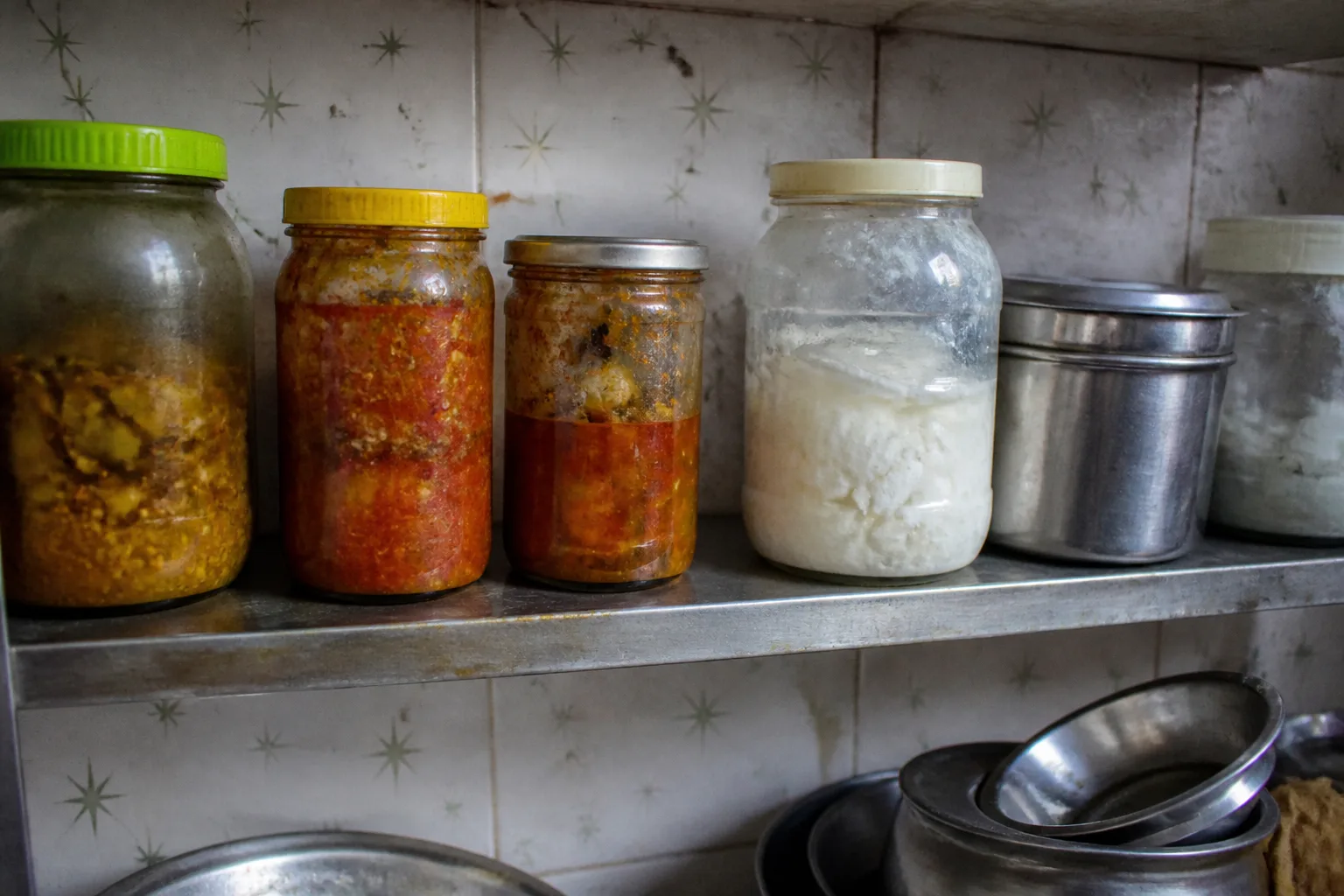
The NLM hosted review says traditional pickles carry the medicinal values of their ingredients and other beneficial properties conferred by associated microorganisms. That is the authors’ claim for the category. It is a literature review of fermented pickles, and it does not test a particular achar in a particular person.
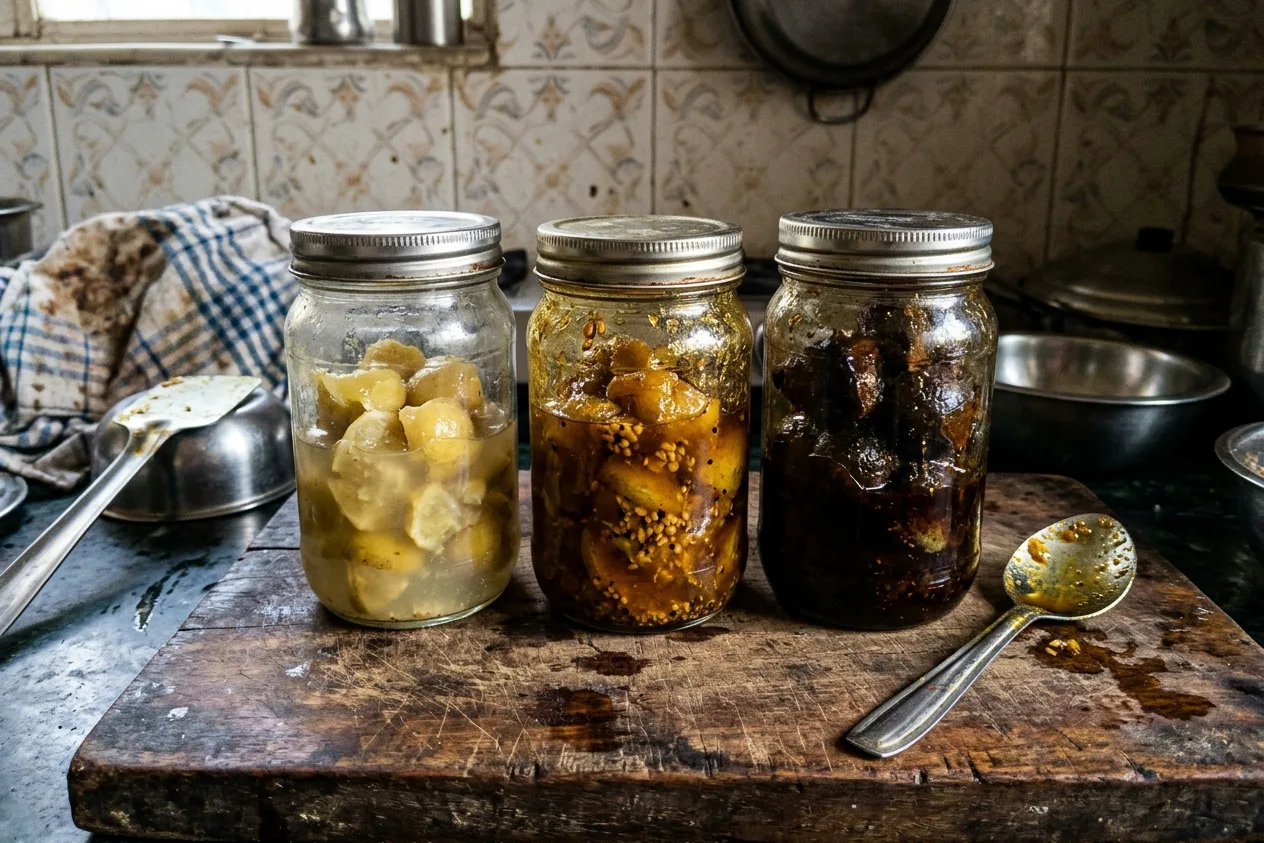
A Stanford lifestyle medicine blog draws a line that matters: the pickles beneficial for gut health are the fermented ones, made by brining in salt, and not by vinegar. Whether a given oil based achar is fermented depends on how it is made.
Where the evidence stops
- Reviews describe the microbial makeup and potential of fermented pickles. They do not show that eating a spoonful of oil pickle changes digestion.
- Cleveland Clinic advises that people with high blood pressure or any cardiovascular or heart health issue should not treat pickles as the best choice, and recommends varieties with less salt and sugar.
- A popular article from The Better India says science backs traditional pickles for the gut. We treat that as a magazine view, and not as a finding.
What a careful reader can take from it
Achar is a flavouring served in small amounts, made with salt, oil and spice. Enjoy it that way. If you have a medical condition, ask your doctor about salt. Our mustard oil and pungency post and what to eat with achar cover how it is served.
Good to know
This post is general information about food and is not medical advice.
Frequently asked questions
Is pickle good for digestion?
Tradition serves a little achar with meals. We make no health claim. Research on fermented pickles exists but does not settle the question for oil pickles.
What does evidence say about traditional pickles?
Reviews describe the microbes and potential of fermented pickles. They also note that pickles are high in salt.
Is achar high in sodium?
Pickles are generally high in sodium, per Cleveland Clinic. Check any jar’s label.
Sources used for this post: Cleveland Clinic, are pickles good for you; PubMed Central, PMC5897286, fermented pickles review; Behera et al., Journal of Functional Foods, 2020 (DOAJ and AGRIS records); Stanford Lifestyle Medicine, gut friendly pickles; The Better India, homemade pickle and probiotics