Blog
Lavang Latika: The Clove-Pinned Sweet of Banaras

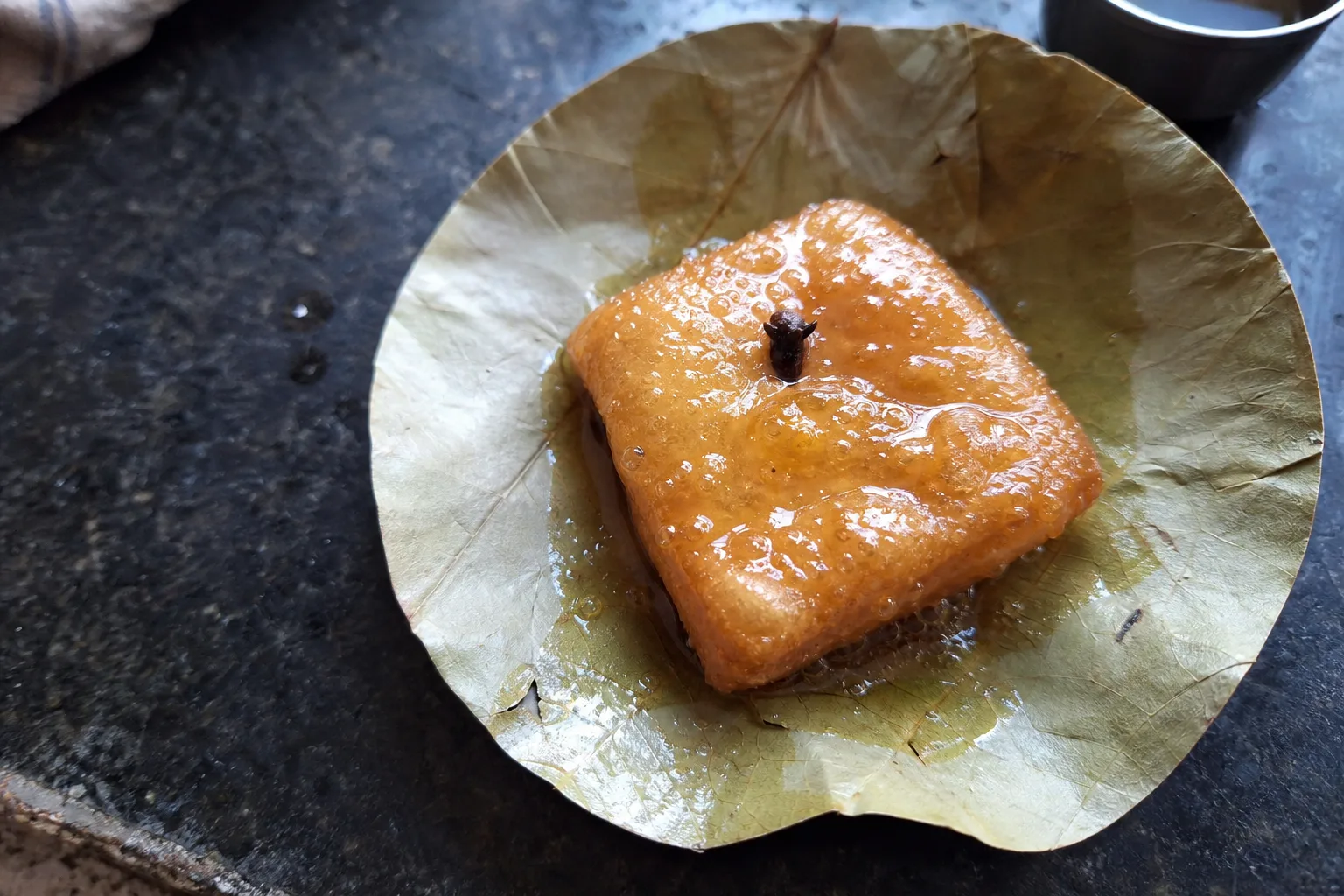
Lavang latika has a name that describes its one trick. Lavang is clove, and the clove is pinned through the top of a small pastry parcel to hold it shut. Ckbk’s recipe describes crispy pastry parcels filled with a sweet mixture of mawa and nuts, sealed with a clove that lends an exotic aroma, and served warm.
The short answer
In short
Lavang latika is a fried flour pastry parcel filled with khoya and nuts, sealed with a clove and dipped in warm sugar syrup. The clove holds the fold shut and perfumes the sweet. It is linked to Bengal, Bihar and Banaras.
How it is made
Sanjeev Kapoor’s recipe gives the structure: a dough of maida with ghee, divided into twelve portions and rolled out, a filling of khoya, cashews, almonds, powdered sugar, green cardamom and saffron, and a clove to secure each parcel. The latika is deep fried until golden, then soaked in warm sugar syrup for three to four minutes, drained and served warm.
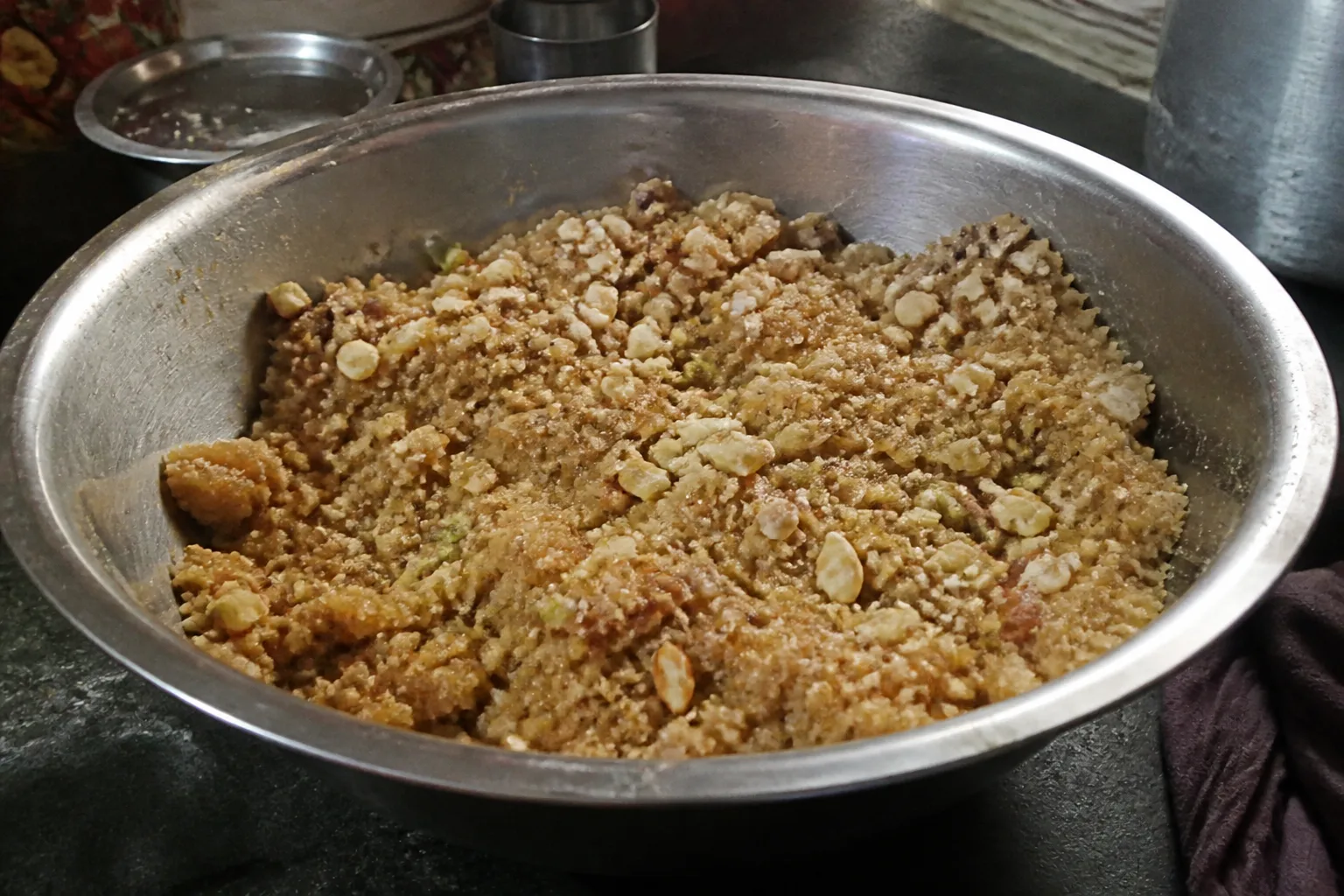
Wikipedia, under the Bengali name labanga latika, describes three parts: the filling, the dough and the sugar syrup. Its filling is a mixture of khoya, sugar and grated coconut, cooked and adorned with dried fruits and nutmeg.
Tarla Dalal gives two practical tips: fry on a slow flame so the latika cooks through, and reheat the sugar syrup before adding the fried pieces so they soak it well. It also says the sweet tastes best warm.
Why the clove
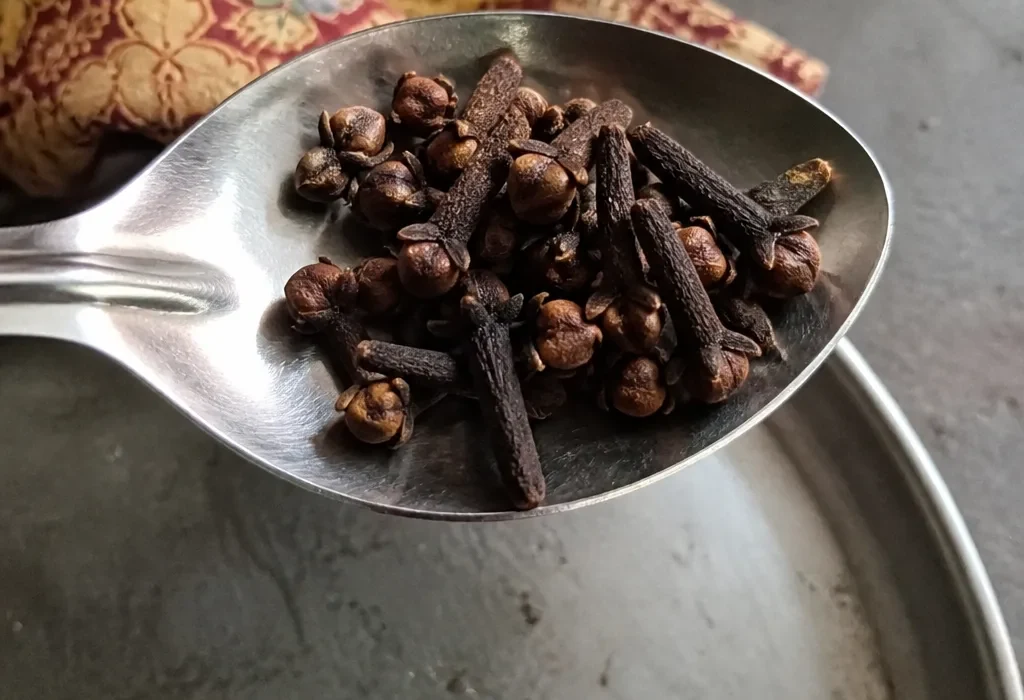
Goya’s essay on the Bengali version says to fold the corners over the khoya and pin the patty with a clove through the middle, using a little water to help it stick during frying. The clove is therefore a fastener. Ckbk adds the aroma, and the Tarla Dalal recipe seals the final fold with a little water and a clove. Another cook’s note says that when eating, you can take out the clove and eat the sweet.
Where it comes from
The sources do not agree.
- Bengal. Tarla Dalal calls it a famous Bengali sweet made after Durga Puja, and Slurrp calls it a traditional recipe of Bengal, prepared especially on festivals. An Indian university e-text lists it as a characteristic sweet of Bengal.
- Bihar. Ckbk calls it a famous Bihari sweet with several names, including lavang lata.
- Banaras. Cadbury’s dessert page calls it a classic Banaras sweet. Sahasa, a Banaras food blog, says it is believed to derive from the Bengali lobongo latika and to have appeared in Banaras more than 500 years ago, and that it is prepared during Holi. That is one blog’s claim and we have not checked it against a history.
What the sources do agree on is the form: khoya in pastry, one clove, syrup. See our posts on Holi in Banaras and laddu types across India for other festival sweets.
Lavang latika and its relatives
For what Banaras eats beyond the sweet counter, see tamatar chaat and kulhad chai.
Frequently asked questions
What is lavang latika?
A fried khoya and nut filled pastry parcel, sealed with a clove and dipped in sugar syrup.
Why is a clove pinned into the sweet?
It holds the folded parcel shut during frying, and lends aroma.
Is lavang latika from Banaras or Bengal?
Sources call it Bengali, Bihari and Banarasi. A Banaras blog says it came from Bengal about 500 years ago, which is unconfirmed.
Sources used for this post: Ckbk, laung lata; Sanjeev Kapoor, lavang latika; Wikipedia, Laung lata.; Tarla Dalal, lavang latika; Goya, Bengali labangalatika; Slurrp, lavang latika; Cadbury Desserts Corner, lavanglata; Sahasa, Banarasi launglata; Overview of popular Indian flour confections (INFLIBNET e-text).