
Blog
Why Homemade Snacks Are Making a Powerful Comeback in India

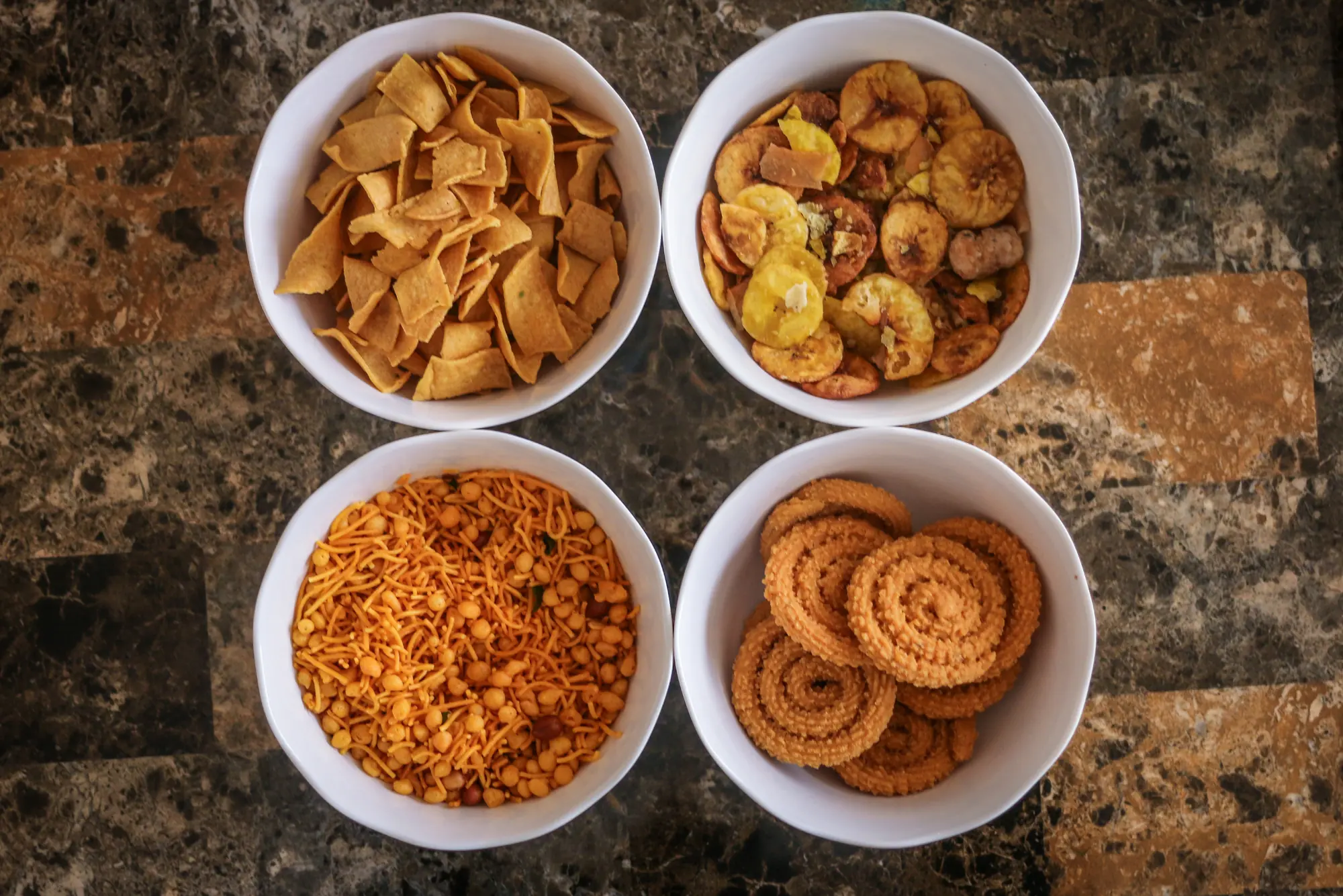
Remember the evenings when tea time meant a plate of freshly made mathri, chakli, or sun-dried potato chips made by your grandmother? There was no plastic packet involved—just a steel dabba filled with flavor, crunch, and love.
For a while, we traded those steel dabbas for shiny, air-filled plastic packets from the supermarket. We chose convenience over quality. But today, a quiet revolution is happening across India. People are realizing that “modern” isn’t always better.
From health-conscious millennials to families craving authenticity, India is returning to its roots. Homemade snacks are back. And this time, they are here to stay.
Here is why the humble homemade snack is winning the battle against factory-produced junk.
-
The “Palm Oil” Problem vs. Pure Ingredients
Turn over any packet of mass-produced chips or namkeen, and you will likely find “Palmolein Oil” listed as a key ingredient. It’s cheap, tasteless, and great for factory profits—but it’s heavy on your heart and health.
Homemade snacks, like those we craft at Salteen, stick to the rules of a traditional Indian kitchen. We use:
- Groundnut or Mustard Oil: Oils that add flavor and are traditionally used in Indian cooking.
- Real Ghee: For that unmistakable richness in sweets.
- Zero Preservatives: We don’t need chemicals to keep our food fresh; we use traditional frying and drying techniques that naturally preserve the crunch.
-
Mass Production Kills Authenticity
Have you noticed that factory-made Aloo Bhujia tastes exactly the same, whether you buy it in Delhi or Mumbai? That’s because it’s standardized. Machines measure the spices to the milligram, removing any unique character.
Homemade snacks are different. They are made in small batches. This means:
- Texture: You get a real crunch, not a manufactured crispness.
- Flavor: You can taste the individual spices—the hint of ajwain, the kick of black pepper, or the warmth of cumin.
- Variety: Every batch has a personality.
-
It’s Not Just Food, It’s a Feeling
Food is deeply tied to memory. A packet of factory chips might satisfy a craving, but it doesn’t feed your soul.
Traditional snacks—whether it’s Sev, Dal Moth, or Banana Chips—remind us of simpler times. They remind us of winter afternoons on the terrace, festival preparations, and family gossip over chai. By choosing homemade-style snacks, we aren’t just eating; we are reclaiming a piece of our culture.
Related Read: This return to purity isn’t just happening with snacks. Read our popular guide on Why Homemade Pickles Taste Better Than Factory-Made Ones to see how traditional Achar is also reclaiming its throne.
-
Healthier “Munching” for Modern Lifestyles
We all need to snack. Whether it’s during a work-from-home meeting or a late-night movie. But munching on highly processed food leads to guilt and lethargy.
Traditional Indian snacks were designed to be balanced.
- Lentil-based snacks (like Moong Dal): Provide protein.
- Spices (like Hing and Jeera): Aid digestion.
When you snack on authentic, clean-label foods, you feel satisfied faster, meaning you eat less junk overall.
-
Salteen: Bridging the Gap
At Salteen, we realized that while everyone wants homemade taste, not everyone has the time to make Mathri or Sev at home anymore.
That’s where we come in. We don’t run a factory; we run a massive kitchen.
- We use traditional recipes, not industrial formulas.
- We prioritize freshness, ensuring the pack you open smells like it was just made.
- From our Classic Sev & Bhujia to our Healthy Bites, every packet is a tribute to the Indian home cook.
Conclusion
The comeback of homemade snacks proves one thing: You cannot fake tradition.
As we become more conscious of what we put in our bodies, the choice is clear. Ditch the preservatives and the palm oil. Go back to the jar on the kitchen shelf.
Craving that authentic crunch? Explore the Salteen Namkeen & Snacks Collection today and bring the taste of home back to your tea time.